 Bellingham Siding
 Fairhaven's Exterior Sits Between the Bay and the Trees
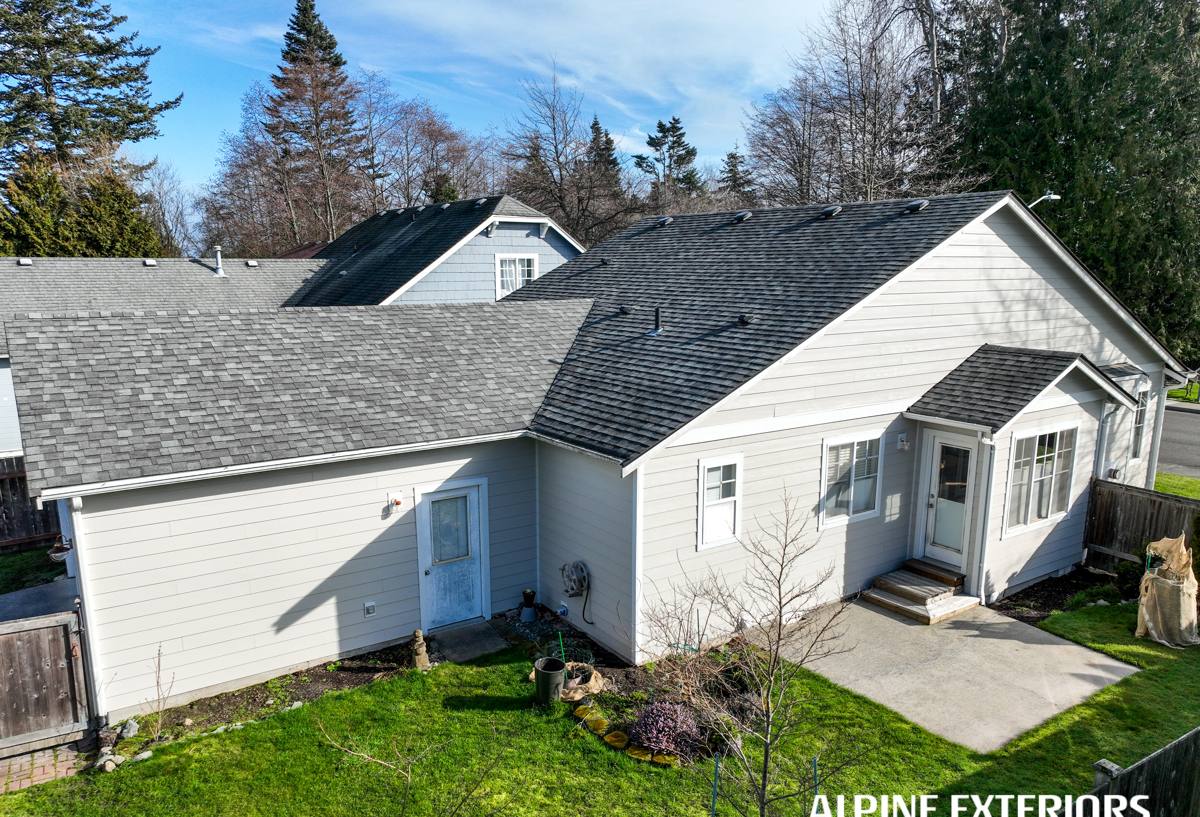
Fairhaven is one of the more distinctive pockets of Bellingham — a historic waterfront district on Bellingham Bay, with older homes mixed among newer infill, tree-covered slopes, and lots that catch salt-laden air off the water on one side and deep shade on the other. That combination is tougher on exterior materials than most homeowners realize. A house a few blocks inland in a sunnier part of Whatcom County can go years without a moss problem, while a shaded Fairhaven lot near the bay deals with both salt exposure and a moss season that runs most of the year.
We work on homes throughout Bellingham, and Fairhaven comes with its own particular mix of exposure. Understanding that mix — not just applying a generic siding job — is what determines whether an exterior holds up for decades or starts showing problems in five years.
What Salt Air Actually Does to a House
Bellingham Bay isn't the open ocean, but proximity to saltwater still matters. Airborne salt is a mild but persistent corrosive. It doesn't dissolve a wall overnight — it works slowly, settling into fasteners, trim joints, and any exposed edge of a building material, then drawing moisture in behind it.
- Fasteners and metal trim corrode faster near the water, especially if the wrong grade of screw or nail was used originally.
- Paint and coatings break down quicker under salt exposure, which is why a painted wood or composite surface near the bay needs repainting more often than the same product a few miles inland.
- Seams and joints in siding are where salt-carried moisture finds its way behind the cladding, which is where rot and hidden damage actually start.
None of this means a house near the bay is doomed — it means the materials and the installation details need to account for that exposure instead of ignoring it.
Moss: The Other Half of the Fairhaven Equation
Whatcom County's rain isn't unusually heavy compared to some parts of the world, but it's persistent, and Fairhaven's tree cover and north-facing slopes mean a lot of siding, roofing, and decking surfaces stay damp longer than they would in full sun. That's exactly the environment moss and algae need.
Moss on a roof holds water against shingles and flashing far longer than bare material would, which shortens roof life and increases the odds of leaks at valleys and penetrations. On siding, algae streaking and moss growth at butt joints and low-lying trim is mostly cosmetic at first, but it signals a surface that's staying wet — and a wet surface is a surface that's more likely to have problems underneath eventually, especially where old caulking has failed or seams weren't detailed correctly.
Where Moss Tends to Show Up First
- North- and west-facing walls that get less direct sun
- Roof valleys, shaded roof planes, and areas under overhanging branches
- Deck boards and railings in shaded backyards
- Low horizontal trim and window sills where water sits after rain
Why We Install Only James Hardie Fiber Cement
We standardized our siding installs on James Hardie fiber cement, and in an environment like Fairhaven's, the reasoning is straightforward. Hardie board is engineered specifically for wet, marine-influenced climates — the HardieZone HZ5 product line is formulated for exactly the freeze-thaw, high-moisture Pacific Northwest conditions Whatcom County sees. It doesn't absorb water the way wood-based products can, it's dimensionally stable across wet and dry cycles, and it's non-combustible, which matters more every wildfire season even on the west side of the state.
The factory-applied ColorPlus finish is baked on under controlled conditions and backed by its own finish warranty, so it holds color and resists the fading and chalking that field-applied paint jobs are prone to — a real advantage given how much more coating maintenance salt-air exposure demands. We don't install vinyl, LP SmartSide, primed spruce, cedar, or other fiber cement brands like Cemplank or Allura. That's not a knock on every one of those products across the board — it's that after years of doing this work in this climate, we settled on the one system that consistently performs and comes with a warranty structure we're comfortable standing behind.
What Correct Installation Actually Involves
Fiber cement performs the way it's supposed to only when it's installed to Hardie's published specifications — this is where a lot of siding problems actually originate, regardless of brand.
- Proper clearance between siding and roof lines, decks, and grade — typically 6+ inches from roofing, 2 inches from decks
- Correct fastener type, spacing, and embedment depth for the specific HZ zone
- Rain-screen or drainage plane detailing behind the siding so any moisture that does get behind it can drain and dry
- Factory-mitered or properly caulked joints, with the right sealant at butt joints and trim intersections
- Flashing integrated correctly at windows, doors, and any wall penetrations — the single most common source of hidden water damage on any siding system
Skip any of these details and even the best material on the market will underperform. That's as true in Fairhaven as anywhere.
It's Not Just Siding: Roofing, Windows, and Decks Face the Same Conditions
The same salt air and moss pressure that affects siding affects the rest of a home's exterior, and we handle all of it.
Roofing
Roofs in shaded, damp parts of Fairhaven are the first place moss takes hold, and neglected moss growth shortens shingle life and contributes to leaks at flashing points. Proper attic ventilation and roof-to-wall flashing details matter as much as the shingle choice itself.
Windows
Older Fairhaven homes often still have original or aging windows with failed seals and deteriorating exterior trim. Replacement windows installed with correct flashing integration into the wall assembly stop a common source of water intrusion at the same time they improve comfort and efficiency.
Decks
Shaded decks near the bay hold moisture and grow moss and algae on the walking surface, which is both a maintenance headache and, over time, a safety issue as boards stay slick. Material choice and airflow underneath the deck both affect how much upkeep a deck demands.
Cost Factors for Exterior Work in a Marine, Shaded Environment
Every home and lot is different, but a few factors consistently move the price and scope of exterior work in areas like Fairhaven:
| Factor | Why It Matters |
|---|---|
| Existing moss/algae buildup | Heavier growth means more prep work — cleaning, treating, and sometimes repair of moisture damage underneath before new material goes on |
| Wall exposure (sun vs. shade) | North-facing and tree-shaded walls need more attention to drainage detailing and may benefit from different trim choices |
| Age and condition of existing sheathing | Older homes near the water sometimes have hidden moisture damage behind old siding that isn't visible until tear-off |
| Trim and detail complexity | Historic-character homes often have more corners, trim boards, and architectural detail, which adds labor |
| Proximity to the bay | Homes closer to the water benefit more from corrosion-resistant fasteners and more frequent coating maintenance on trim |
We walk every property before quoting anything, because these factors vary block to block in a neighborhood like Fairhaven — you can't price this kind of work off a satellite photo.
Maintenance That Actually Matters Here
A well-installed exterior in Fairhaven still needs some seasonal attention. This isn't a long list, but it's a real one:
- Rinse siding and decking of surface algae and moss buildup once or twice a year, especially on shaded walls and boards
- Keep gutters clear so water isn't overflowing onto siding or trim below
- Trim back tree branches and shrubs that keep walls or roof sections in constant shade and dampness
- Check and refresh exterior caulking at trim joints and window perimeters every few years
- Have roof valleys and shaded roof planes checked for moss buildup before it becomes established growth
Why a Local Crew Matters Here
Contractors who don't work in Whatcom County regularly can underestimate what a bay-adjacent, tree-covered lot actually puts an exterior through. We see the same conditions repeatedly across Bellingham and Fairhaven specifically — which walls hold moisture, which details fail first, what the local permitting and inspection process looks like, and how older Fairhaven-era construction was typically built so replacement work integrates cleanly instead of fighting the existing structure. That familiarity shows up in fewer surprises during the project and fewer callbacks after it.
Get a Straightforward Look at Your Home
If you're dealing with moss, salt-air wear, an aging roof, or siding that's past its useful life on a Fairhaven property, we're happy to take a look and give you an honest read on what's actually going on and what it would take to fix it right. Reach out for a free, no-pressure estimate — there's a form right below to get started.