 Bellingham Siding
 Board & Batten in a Neighborhood Like Birchwood
Board and batten has become one of the most requested siding styles for homes in and around Birchwood, and it's easy to see why. The vertical lines read as clean and modern on newer builds, but the same profile also works beautifully on older homes looking for a refresh that doesn't feel trendy or temporary. It's a style that photographs well and ages well, provided the material underneath the reveal is doing its job.
That last part is where a lot of board and batten installations fall short. The style is simple to describe and much harder to execute correctly, especially in a climate that doesn't give siding much of a break. Birchwood homes sit close enough to the water and the hills around Bellingham that they take on a specific combination of weather stress that not every siding product, and not every installer, is prepared to handle correctly.
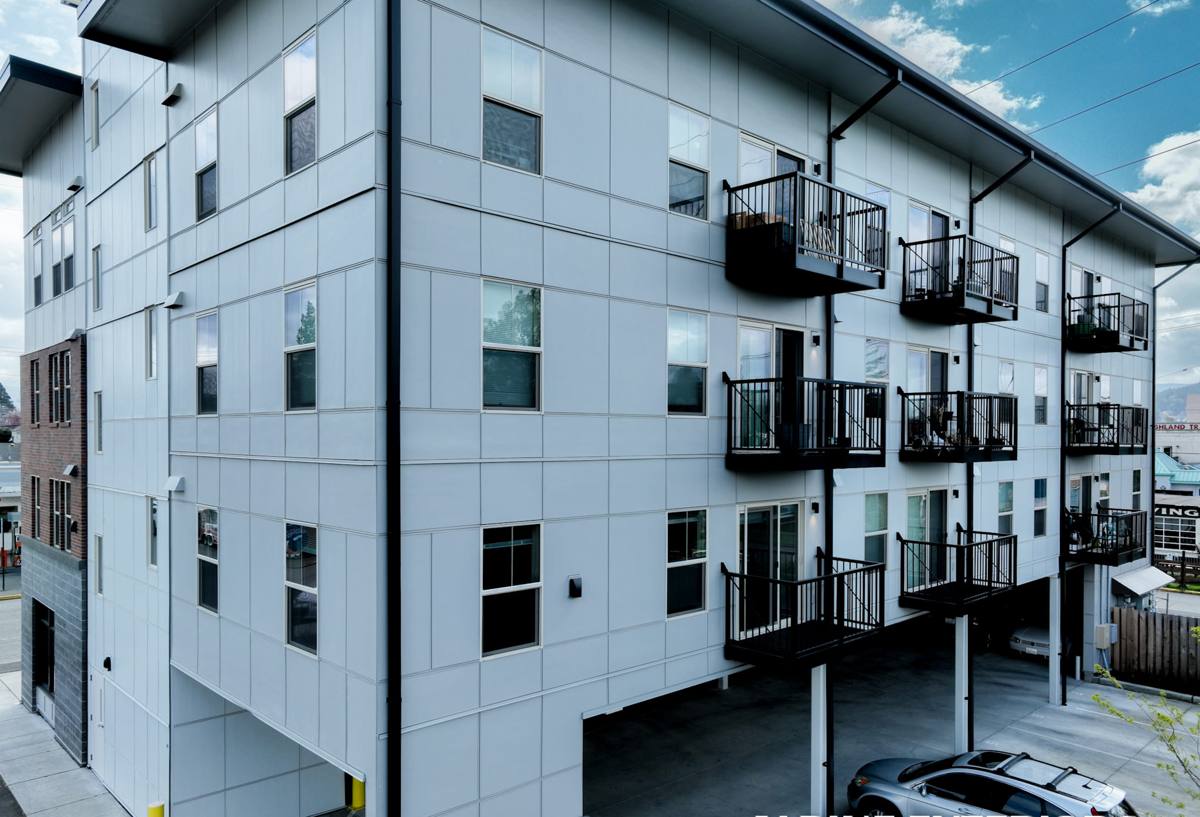
What Bellingham's Climate Actually Does to Board & Batten Siding
Whatcom County weather isn't dramatic in the way a hurricane zone or a desert climate is dramatic. It's persistent. That's a different kind of stress, and it wears differently on a home.
Salt Air
Homes near the water pick up airborne salt that settles on exterior surfaces year-round. Over time it accelerates corrosion on metal fasteners and trim, and it can degrade cheaper paint finishes faster than the manufacturer's warranty ever accounted for. Board and batten siding has more exposed vertical seams and more fastener points than lap siding, which means more places for salt-driven corrosion to start if the wrong hardware or finish was used.
Driving Rain
Wind-driven rain doesn't just fall on a wall, it gets pushed into it. Vertical board and batten profiles create channels that, if not detailed correctly, can funnel water toward the battens and fasteners instead of shedding it. A batten that isn't fastened and flashed correctly becomes a wick, pulling moisture into the wall assembly behind it.
Moss and Prolonged Dampness
Bellingham's long stretch of wet, mild months means exterior surfaces stay damp for extended periods, which is exactly what moss, algae, and mildew need to establish themselves. On siding materials that absorb moisture, that dampness doesn't stay on the surface. It gets pulled into the material itself, which is where rot and swelling start.
Why Material Choice Matters More With This Profile
Board and batten siding is less forgiving of the wrong material than a standard lap profile, because the vertical boards and battens create more seams, more end grain exposure, and more places for water to sit if it isn't detailed to shed correctly. This is the core reason we install James Hardie fiber cement exclusively, and it's worth explaining plainly rather than just asserting it.
Primed spruce and cedar board and batten look good on day one, but wood is an organic material that absorbs moisture. In a climate with Bellingham's rain totals and moss pressure, that means more frequent repainting, more caulk maintenance at the seams, and a real risk of rot at cut ends and fastener points if maintenance slips even one season. Vinyl board and batten sidesteps the rot issue but comes with its own trade-offs: it expands and contracts more than fiber cement in temperature swings, it can look and feel visibly synthetic up close, and it isn't rated for the same fire resistance. LP SmartSide is an engineered wood product, which means it performs better than raw wood but still relies on an engineered wood core and edge sealing that has to be maintained to keep moisture out over the long term.
James Hardie's fiber cement panel systems, engineered in HZ5 formulations for the Pacific Northwest's wet, moderate climate, don't share those weaknesses. Fiber cement doesn't absorb water the way wood does, doesn't rot, and won't feed mold or moss growth the way an organic substrate can. The factory-applied ColorPlus finish is baked on under controlled conditions, which gives it far more consistent salt-air and UV resistance than field-applied paint on wood or engineered wood siding. For a profile like board and batten, where the seams and fastener points carry more of the moisture-management burden, starting with a material that doesn't swell, cup, or rot removes one of the biggest long-term risks entirely.
What a Correct Board & Batten Installation Actually Involves
The board and batten look is simple. The assembly behind it is not, and this is where most of the long-term performance is decided before a single panel goes up.
Drainage Plane and Rainscreen Gap
Behind the panels, a correctly built assembly includes a weather-resistant barrier and a drainage gap that lets any moisture that gets past the surface find its way back out instead of sitting against the sheathing. On a wet-climate home like one in Birchwood, skipping or shortcutting this step is one of the most common causes of hidden wall damage years down the line.
Panel and Batten Fastening
Fasteners have to be installed at the manufacturer-specified spacing and depth, into solid framing, not just into the panel face. Battens need to be fastened through to blocking or studs so they aren't relying on the panel alone to hold them in place over time, especially in wind-exposed locations.
Flashing at Every Transition
Every window, door, roofline, and horizontal trim transition needs correctly lapped flashing so water is directed out and away from the wall assembly rather than behind the siding. This matters even more on vertical profiles because gravity is working against you at every horizontal joint.
Caulking and Sealant Discipline
Manufacturer-approved sealants at the right joints, and only at the joints that are supposed to be sealed. Over-caulking a board and batten installation can trap moisture in places it should be able to escape from, which does more harm than good.
Material Comparison for Board & Batten Applications
| Material | Moisture Behavior | Maintenance Burden | Fire Rating | Typical Lifespan |
|---|---|---|---|---|
| James Hardie Fiber Cement | Doesn't absorb or swell; resists moss and rot | Low — occasional wash, no repainting on ColorPlus finish | Non-combustible | Decades with correct install |
| Cedar / Primed Spruce | Absorbs moisture; prone to swelling and rot | High — regular repainting, caulk upkeep | Combustible | Shorter without diligent upkeep |
| LP SmartSide (Engineered Wood) | Better than raw wood but still moisture-sensitive at cuts and edges | Moderate — edge sealing and repainting cycles | Combustible | Moderate, install-dependent |
| Vinyl | Doesn't rot but expands/contracts with temperature | Low, but limited repair options if damaged | Combustible, can deform under heat | Variable, appearance degrades with UV |
Our Process for a Birchwood Board & Batten Project
- On-site assessment of the existing wall assembly, moisture exposure, and sun/wind orientation specific to the property
- Removal of failing siding and inspection of sheathing for hidden rot or damage before anything new goes up
- Installation of a proper weather-resistant barrier and drainage gap behind the new panels
- Board and batten installation to James Hardie's fastening, spacing, and flashing specifications
- Detailing at every window, door, and roofline transition
- Final walkthrough covering care, warranty registration, and what to expect over the first year
Maintenance Checklist for Board & Batten in a Wet Climate
- Rinse siding once or twice a year to clear salt residue and organic buildup before it takes hold
- Check caulked joints annually for cracking or separation, especially after the first winter
- Look for early moss or algae growth in shaded, north-facing sections and address it before it spreads
- Inspect flashing above windows and at rooflines for signs of water staining below the joint
- Trim back vegetation that keeps siding sections shaded and damp longer than the rest of the house
Why Local Experience in Birchwood Matters
Board and batten performance isn't just about the product spec sheet, it's about how that product gets installed against the specific exposure of a specific lot. A crew that already works in and around Birchwood has a working sense of which elevations take the worst of the driving rain, which lots hold dampness longer into the season, and how salt exposure varies even within a few blocks depending on tree cover and wind path. That local pattern recognition shows up in small decisions during installation, like where to add extra flashing attention or how to sequence the drainage plane, that a crew unfamiliar with Bellingham's climate might not think twice about.
It also matters for accountability. A contractor who works Whatcom County regularly is going to be around to stand behind the installation years later, not just for the initial project.
If you're considering board and batten siding for a home in Birchwood, we're glad to walk the property with you, look at the specific exposure your home deals with, and put together a straightforward, no-pressure estimate using the form below.