 Bellingham Siding
 Roofing Built for Happy Valley's Weather, Not Just Any Weather
Happy Valley sits close enough to Bellingham Bay that homes here take on a different kind of weather beating than roofs just a few miles inland. Salt-laden air moves in off the water, wind-driven rain hits roof planes sideways instead of straight down, and the tree cover that makes this neighborhood attractive also means shade, damp debris, and a long moss season that runs from fall through spring. An asphalt shingle roof that's installed correctly for these conditions will outlast one that was installed the same way you'd install it in a dry inland town. The difference isn't the shingle bundle — it's the details underneath and around it.
We've worked on roofs throughout Bellingham and Whatcom County long enough to know which failure patterns show up first in Happy Valley specifically: moss creeping under shingle tabs on north-facing and shaded slopes, nail corrosion in homes that never upgraded fasteners, and soft, spongy decking near valleys and eaves where water sat longer than it should have. Good asphalt shingle roofing here means designing against those specific problems, not just laying shingles in straight rows.
What Happy Valley Homes Actually Need From a Roof
Moss and Moisture Management
Tree canopy and coastal humidity are a tough combination. Moss doesn't just sit on top of shingles looking bad — its root structure lifts shingle edges, holds moisture against the granule surface, and accelerates the wear that eventually leads to leaks. A roof designed for this neighborhood needs proper ventilation to keep decking temperatures and moisture levels stable, and in some cases zinc or copper strips near the ridge to slow future moss growth without relying on harsh chemical treatments.
Wind-Driven Rain Resistance
Storms coming off the bay don't always drop rain straight down — they push it sideways and up under shingle tabs, especially at eaves, rakes, and low-slope transitions. This is where underlayment choice and fastening pattern matter more than the shingle brand printed on the wrapper. A roof that looks fine from the ground can still be under-flashed in exactly the spots that fail first in a real wind-driven rain event.
Salt Air and Metal Corrosion
Proximity to the bay means standard electro-galvanized nails and exposed metal flashings corrode faster here than they would twenty miles inland. Over years, corroded fasteners lose their grip, and streaking or staining can appear around flashings and vents. It's a slow problem, which is exactly why it gets overlooked — until a roof that's only ten or twelve years old starts showing failures that shouldn't happen for another decade.
What a Correct Asphalt Shingle Roof Install Involves
Asphalt shingle roofing looks simple from the curb, which is part of why corners get cut so easily. A correct install in this climate has several layers working together, and skipping or under-building any one of them shortens the life of the whole system.
- Tear-off to solid decking, with any soft, delaminated, or water-stained plywood identified and replaced before anything new goes down
- Ice-and-water shield or high-quality synthetic underlayment at eaves, valleys, and around every penetration — the spots where wind-driven rain actually gets in
- Balanced intake and exhaust ventilation so the attic and decking can dry out between wet spells instead of staying damp
- Corrosion-resistant fasteners sized and spaced to the shingle manufacturer's actual specification, not just "close enough"
- New flashing at all roof-to-wall transitions, chimneys, and vent stacks — reusing old flashing is a common shortcut that causes hidden leaks later
- Drip edge at eaves and rakes to direct water away from fascia and into gutters instead of behind them
- Proper nailing line and shingle offset to meet wind ratings that actually matter for this exposure
Any one of these steps done wrong won't necessarily show up as a leak in year one. It shows up in year six or seven, usually right after the manufacturer's workmanship warranty from whoever installed it has quietly become the homeowner's problem alone.
How We Approach a Happy Valley Roofing Project
Inspection First
Before we talk shingle color or price, we look at the roof deck, the current ventilation setup, the condition of existing flashing, and any signs of past moss or moisture damage. Tree coverage and roof orientation both factor into what the roof actually needs, not just what's easiest to install.
A Straightforward Recommendation
We'll tell you honestly if your roof needs a full replacement or if targeted repairs will responsibly extend its life a few more years. We're not going to sell a full tear-off on a roof that has good years left in it, and we're not going to patch a roof that's past the point where patching makes financial sense.
Installation That Matches the Climate
Every layer described above — underlayment, ventilation, fasteners, flashing — gets specified for this neighborhood's exposure, not a generic inland install. That's the actual value of hiring a crew that already works Whatcom County roofs regularly instead of one passing through on a single job.
Cleanup and Walkthrough
We clear the site of old material and debris and walk the finished roof with you so you understand what was done and why, including any ventilation or flashing changes that aren't obvious just by looking up.
Asphalt Shingles vs. Other Common Roofing Choices
Asphalt shingles remain the most practical choice for most Happy Valley homes because they balance upfront cost, proven performance in wet coastal climates, and straightforward future repairs. Here's how the common options compare for this specific setting:
| Roofing Type | Upfront Cost | Performance in Salt Air / Moss Conditions | Repair Complexity |
|---|---|---|---|
| Architectural Asphalt Shingle | Moderate | Strong when installed with proper ventilation and corrosion-resistant fasteners | Straightforward — individual sections can be repaired |
| 3-Tab Asphalt Shingle | Lower | Adequate but shorter lifespan under sustained moisture exposure | Straightforward |
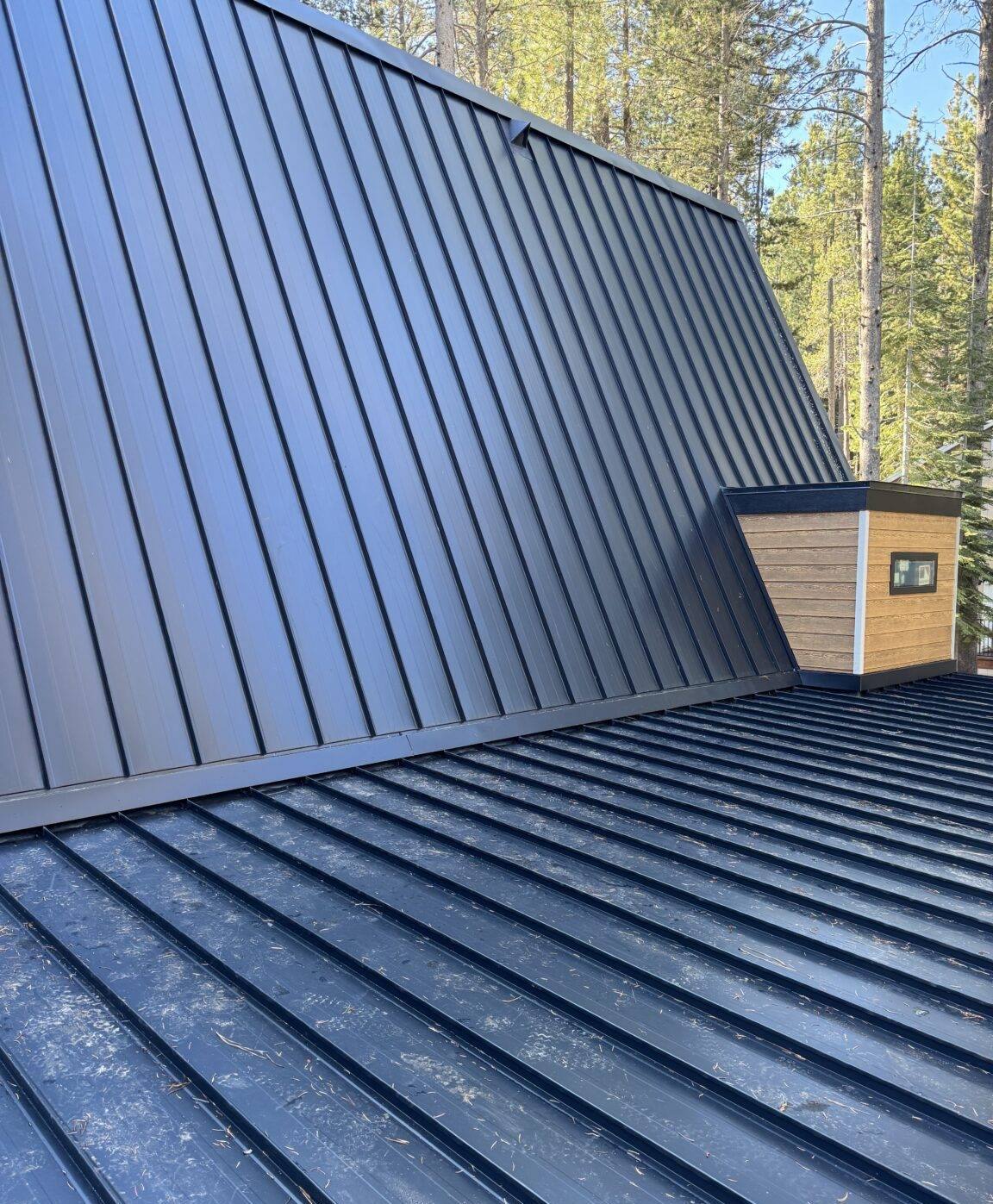
| Metal Roofing | Higher | Very good corrosion resistance with proper coatings, but seams need skilled installation | More specialized, fewer local repair options |
| Wood Shake | Higher | Poor in this specific climate — moss and moisture are the primary threats to wood shake longevity | Labor-intensive, ongoing maintenance required |
Architectural asphalt shingles tend to be our default recommendation for Happy Valley because they hold up well under the moss and moisture pressure this neighborhood sees, and if a repair is ever needed years down the road, it's a manageable, contained job instead of a specialty undertaking.
Cost Factors Homeowners Should Understand
We don't publish flat prices because every roof is different, but the honest answer is that a handful of factors drive most of the cost variation we see on Happy Valley homes:
| Factor | Why It Matters Here |
|---|---|
| Roof deck condition | Moisture-damaged plywood discovered during tear-off adds material and labor that can't be priced sight-unseen |
| Roof complexity | Valleys, dormers, and multiple roof planes all increase flashing work, which is where moss-season leaks originate |
| Ventilation upgrades | Homes with inadequate attic ventilation often need intake or exhaust improvements alongside the reroof |
| Tree coverage and access | Heavy canopy affects both drying time during the project and long-term moss risk afterward |
| Shingle tier | Architectural shingles cost more upfront than 3-tab but generally offer better wind and moisture performance for this exposure |
Maintenance That Actually Extends Roof Life Here
A well-installed roof still benefits from basic upkeep in a climate like this one. None of it is complicated, but it's easy to let slide.
- Keep gutters clear of needles and leaf debris so water isn't backing up under eave shingles during heavy rain
- Have moss growth addressed before it spreads under shingle tabs, not after it's already visible from the street
- Trim back overhanging branches that keep roof sections shaded and slow to dry
- Schedule a roof check after major windstorms to catch lifted or displaced shingles early
- Watch for granule buildup in gutters, which signals accelerating shingle wear
Why Local Experience Matters for This Job
A roofing crew that works Bellingham and Whatcom County regularly has already seen how Happy Valley's specific mix of tree cover, coastal exposure, and rainfall behaves on real roofs over real years. That experience shows up in small decisions — where extra underlayment goes, how ventilation gets balanced, which fastener spec actually holds up — that a generic install wouldn't account for. It also means we're still local and reachable if a question comes up well after the job is finished, not a name from an out-of-town crew that moved on to the next town over.
If your roof is showing moss, granule loss, staining, or you simply know it's getting close to the end of its service life, we're happy to come take an honest look. Reach out for a free, no-pressure estimate using the form below.