 Bellingham Siding
 Ferndale's Climate Asks More of Your Siding Than Most Places
Ferndale sits close enough to the water that salt air is a real factor in how exterior materials age, and far enough north that the region's long, wet winters put siding through months of near-constant moisture exposure. Add in Whatcom County's mild, shaded microclimates that favor moss and algae growth, and you have a combination that punishes siding products not built for it. Homes here don't fail because owners neglected them — they fail because the wrong material was installed, or the right material was installed the wrong way.
Salt-laden air corrodes fasteners and trim hardware over time, especially on homes with western or southern exposure that catch prevailing weather off the Strait of Georgia and Bellingham Bay. Driving rain, often pushed sideways by wind rather than falling straight down, finds every gap in flashing, every under-caulked seam, and every place where siding wasn't held off the wall assembly properly. And moss doesn't just grow on roofs — it colonizes north-facing siding, in shaded yards, and anywhere moisture lingers against a wall for weeks at a time during our wet season.
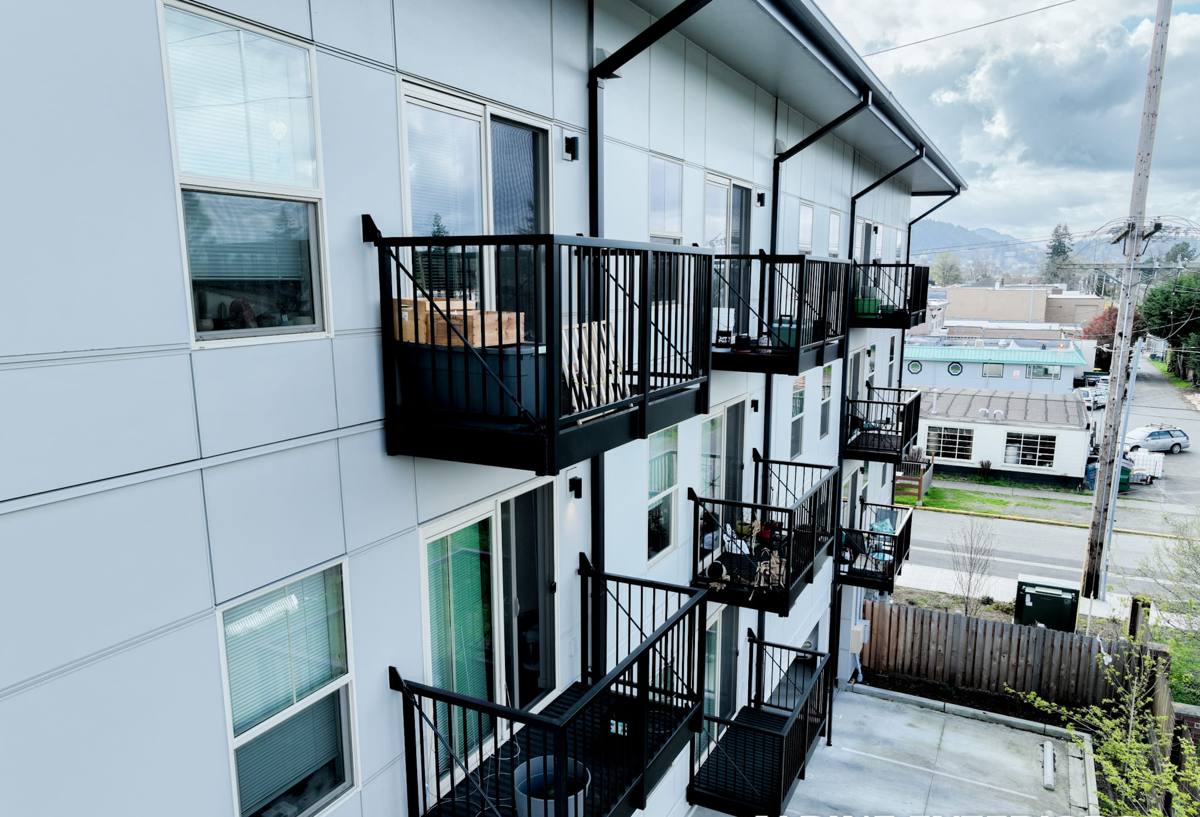
What "Correct" Siding Installation Actually Means Here
A siding installation that looks fine on day one and a siding installation that's still performing in fifteen years are not the same job, even if they used the same material. The difference is almost entirely in details that aren't visible once the project is finished.
Weather-Resistive Barrier and Drainage
Every wall needs a continuous weather-resistive barrier behind the siding, lapped correctly from the bottom up so water sheds outward rather than working its way in. In a climate like Ferndale's, we treat a drainage gap — a rainscreen or furring strip system — as standard practice rather than an upgrade. That gap lets any moisture that does get past the siding drain and dry out instead of sitting against the sheathing, which matters enormously given how many wet days this area sees in a typical year.
Flashing at Every Penetration
Windows, doors, hose bibs, light fixtures, deck ledgers — every point where something interrupts the siding plane is a place water wants to get in. Proper flashing, integrated with the weather-resistive barrier in the correct shingle-lap order, is what actually keeps a home dry. This is also the step most commonly rushed or skipped by crews trying to move fast, and it's the single biggest source of hidden rot claims on homes that otherwise "look" well-sided.
Fastening and Clearances
Fiber cement siding has specific fastening patterns, nail types, and minimum clearances from grade, roof lines, decks, and other siding planes that the manufacturer sets for good reason. Ignoring ground clearance invites moisture wicking and rot at the bottom courses; ignoring proper fastener spacing and depth invites cracking and blow-off in the wind events this region gets in fall and winter.
Why We Install Only James Hardie Fiber Cement
We made a deliberate decision as a company to install James Hardie fiber cement siding exclusively, and we don't apologize for it or pretend it's the only reasonable choice on paper. Vinyl siding is inexpensive and easy to install fast, but it's a thin, flexible material that expands and contracts significantly with temperature swings, can warp or crack in wind-driven debris, and offers no real fire resistance — a growing consideration as wildfire smoke and ember exposure become more common across Washington summers. LP SmartSide and similar engineered wood products perform reasonably when installation is flawless, but they're wood-based, and wood-based siding is inherently more vulnerable to the moisture cycling this climate produces, especially at cut edges and seams if caulking maintenance ever lapses. Cedar is beautiful and has real heritage appeal, but it demands consistent refinishing, is vulnerable to moisture and insect damage, and its lifespan depends heavily on upkeep most homeowners don't have time for.
James Hardie fiber cement is non-combustible, dimensionally stable across our temperature range, and factory-finished with ColorPlus technology so the color coat is baked on rather than field-applied — which matters in a climate where field-applied paint has to fight moss, mildew, and constant moisture just to cure properly, let alone last. Hardie's HZ product lines are engineered for specific climate zones, including the wetter, milder zones the Pacific Northwest falls into, and the warranty is transferable, which protects resale value in a way most other siding materials can't match.
Our Installation Process
Every Ferndale project follows the same sequence, regardless of home size or siding profile:
- Assessment and moisture check. We inspect the existing wall assembly, sheathing, and any current siding for hidden rot or moisture damage before quoting the job — this is where problems get caught before they become surprises mid-project.
- Removal and sheathing repair. Old siding comes off, and any compromised sheathing or framing is repaired or replaced. This is not optional; installing new siding over damaged sheathing just hides a problem that will resurface.
- Weather-resistive barrier and drainage plane. A continuous, correctly lapped barrier goes on, followed by furring or a rainscreen system so the wall can dry properly behind the new siding.
- Flashing. Every window, door, and penetration gets flashed and integrated with the barrier before any siding goes up.
- Hardie panel or plank installation. Installed to manufacturer fastening specs, with correct clearances at grade, roofs, and adjoining surfaces.
- Trim, caulking, and touch-up. Factory-finished ColorPlus panels need minimal field painting — just touch-up at cut edges and fasteners, which keeps the finish consistent and reduces long-term maintenance.
- Final walkthrough. We walk the exterior with the homeowner before calling the job complete.
Cost Factors for Ferndale Siding Projects
Every home is different, but the same handful of factors drive most of the price variation we see on siding jobs in this area:
| Factor | Why It Matters |
|---|---|
| Wall condition underneath | Hidden rot or damaged sheathing found during removal adds repair scope before new siding can go on |
| Siding profile chosen | Lap plank, shingle-style panels, and board-and-batten each have different material and labor costs |
| Home size and wall complexity | More corners, gables, and dormers mean more cutting, flashing, and labor time |
| Trim and accent work | Window and corner trim detailing adds finish quality but also material and labor |
| Access and site conditions | Tight lots, slopes, or landscaping close to the home can affect staging and scaffolding needs |
Signs Your Ferndale Home May Need New Siding
Because rot and moisture intrusion often start behind the siding before they're visible on the surface, it helps to know what to watch for:
- Soft or spongy spots when you press on the siding, especially near the bottom courses or window trim
- Persistent moss or algae growth that keeps returning even after cleaning, particularly on north-facing walls
- Visible cracking, warping, or buckling in panels or planks
- Paint that's peeling or bubbling in a pattern that suggests moisture pushing out from behind, not just weathering
- Rising energy bills that can't be explained by anything else, which can point to a compromised weather barrier
- Rust streaking around fasteners or trim, a common sign of aging or improperly rated hardware in salt-exposed areas
Ongoing Maintenance That Actually Matters
James Hardie siding is low-maintenance compared to wood or vinyl, but "low-maintenance" isn't "no-maintenance" in a climate like this one. A short annual routine keeps it performing for decades:
- Rinse the exterior gently once or twice a year to keep moss and algae from establishing, especially on shaded or north-facing walls
- Inspect caulking at trim joints and penetrations and touch up before winter rains set in
- Keep gutters clear so overflow doesn't run down the wall face repeatedly
- Trim back landscaping and tree limbs that keep siding shaded and damp
- Walk the exterior once a year looking for the warning signs listed above, before small issues become expensive ones
Why Hiring a Crew That Already Works in Ferndale Matters
Siding installation isn't a generic skill that transfers identically from one climate to another. A crew that primarily works drier inland regions may not default to a full rainscreen system, may under-flash a window because it's rarely tested by wind-driven rain where they usually build, or may not think twice about moss when specifying trim details. A crew that works Whatcom County regularly builds those decisions in as standard practice, not an upsell, because they've seen what happens on the homes that skipped them.
Local familiarity also means knowing how Ferndale's mix of older homes and newer construction tends to be built, what wall assemblies are common, and where problems typically hide on homes of a given age. That local pattern recognition shortens the assessment phase and reduces surprises once removal starts.
Get a Straightforward Estimate
If your Ferndale home's siding is showing its age, or you're planning ahead before a small problem becomes a bigger one, we're happy to take a look and give you an honest read on what your home actually needs. There's no pressure and no obligation — just a clear assessment and a straightforward estimate using the free form below.