 Bellingham Siding
 Why Silver Beach Homes Wear Out Windows Faster
Silver Beach sits close enough to the water that its houses take a different kind of weather beating than homes further inland in Whatcom County. Salt-laden air off Bellingham Bay works into aluminum hardware and steel fasteners over time, wind-driven rain finds its way past worn seals during winter storms, and the shaded, damp lots common in this neighborhood keep moss and mildew active for most of the year. None of that is dramatic on its own, but it adds up. A window that would last twenty-five years in a drier, sunnier climate often starts showing real problems here well before that mark.
We've replaced windows on enough homes in this pocket of Bellingham to know the pattern: it's rarely one catastrophic failure. It's slow — fogged glass, sticky sashes, a draft that gets worse every winter, trim that stays damp two days after the rain stops. By the time a homeowner calls, the window has usually been quietly losing the fight for a while.
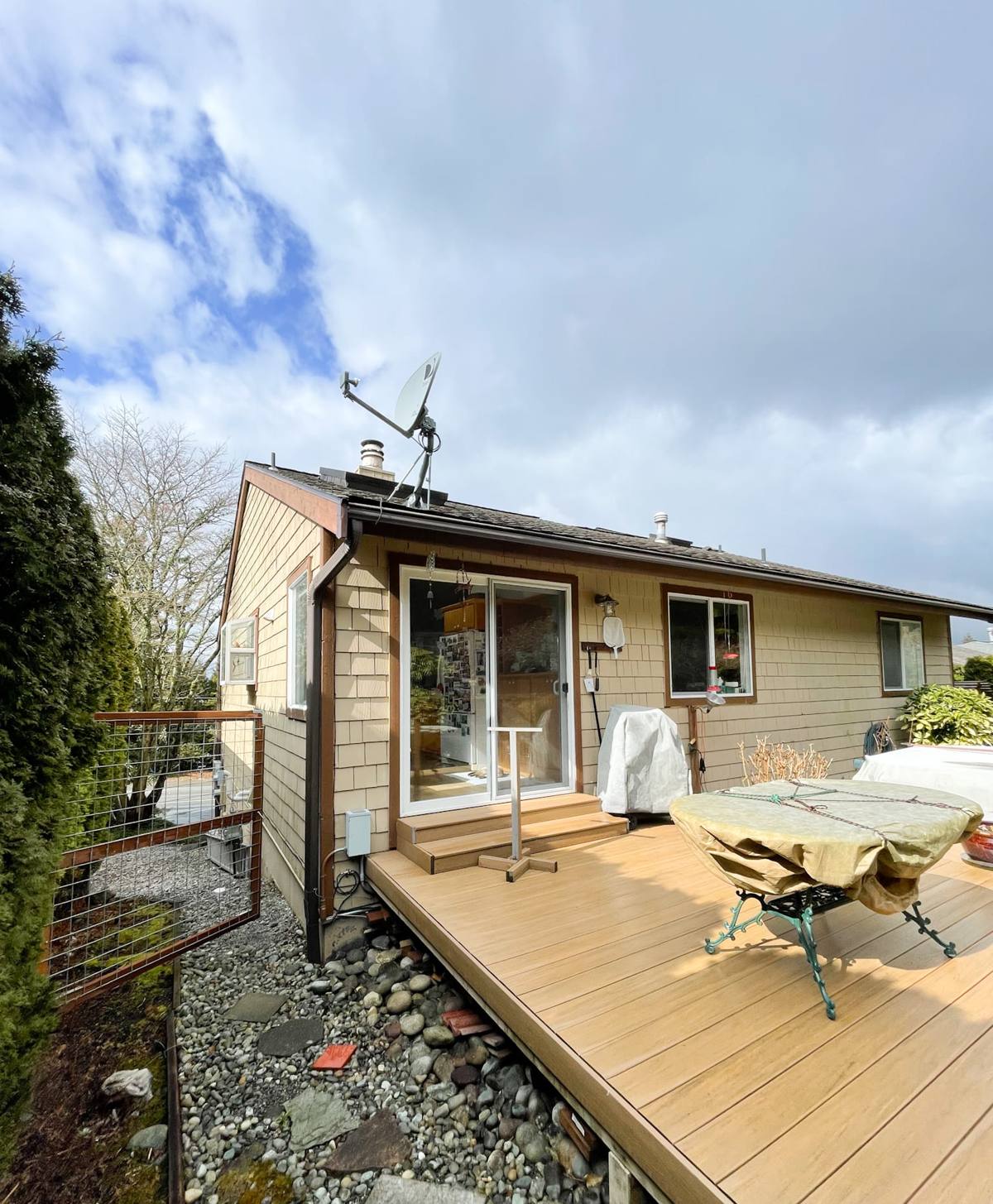
Signs a Silver Beach Window Needs Replacing, Not Patching
Not every window problem calls for full replacement. But there are a handful of signs that tell us the window itself — not just the caulking or the hardware — has reached the end of its useful life.
- Fog or moisture trapped between the panes of a double-pane window (the seal has failed and can't be repaired)
- Soft, discolored, or crumbling wood at the sill or jamb, especially on north- and west-facing walls that catch the weather
- Windows that are difficult to open, close, or lock, particularly if this changed gradually over a few wet seasons
- Visible daylight or a draft you can feel around the frame when it's windy
- Paint or finish that keeps failing in the same spot no matter how often it's touched up
- A noticeable jump in heating bills that isn't explained by anything else in the house
If you're only seeing one of these and the window is otherwise sound, a repair or re-seal might be the more honest answer. We'll tell you that on the estimate rather than push a replacement you don't need yet.
What a Correct Window Replacement Actually Involves
Removal and Inspection
The old window comes out carefully, and that pause matters more than people expect. Once the frame is exposed, we can see the condition of the rough opening — whether the sheathing behind it is dry and sound, or whether years of slow water intrusion have done damage that the window itself was hiding. In a marine climate like ours, catching hidden rot at this stage is often the difference between a clean install and a callback six months later.
Flashing and Weatherproofing
This is the step that separates a window installed correctly from one that just looks installed correctly. Proper flashing tape and sill pan flashing direct any water that does get past the exterior cladding back out and away from the framing, instead of letting it pool at the sill. Given how much driving rain this area sees off the Sound, we treat this layer as non-negotiable, not an upsell.
Sealing and Finish
The new window is set, shimmed level and plumb, fastened per the manufacturer's specification, and insulated around the perimeter — not just caulked and called done. Exterior trim and sealant are matched to hold up under UV and moisture cycling, and interior finish work is completed so the room looks as good as the wall performs.
Choosing the Right Window for a Marine Climate
Frame material matters more here than it would in a drier part of the state. Salt air and constant humidity are hard on some materials and barely touch others. We walk homeowners through the real trade-offs rather than steering everyone toward one option.
| Frame Material | How It Handles Our Climate | Maintenance |
|---|---|---|
| Vinyl | Doesn't corrode or rot; performs well near salt air | Low — occasional cleaning |
| Fiberglass | Very stable in temperature and moisture swings; strong long-term option | Low |
| Aluminum | Prone to corrosion and condensation in coastal, humid conditions | Moderate to high |
| Wood (unclad) | Handsome, but vulnerable to rot without diligent upkeep in a wet climate | High |
| Wood-clad (vinyl or aluminum exterior) | Wood look inside, protected exterior shell — good middle ground | Low to moderate |
We generally steer Silver Beach homeowners away from bare aluminum and unclad wood on exposed elevations — not because those products are bad in general, but because the maintenance burden in a place with this much salt air and rain doesn't match what most homeowners actually want to sign up for. Vinyl, fiberglass, and clad-wood options carry that weight better with far less upkeep.
Glass and Glazing Options
Double-pane, low-E glass with argon gas fill is the practical baseline for this area — it cuts heat loss through the glass and reduces condensation on the interior pane during our cold, wet winters. Homeowners on the water side of Silver Beach, with more direct wind and driving rain exposure, sometimes benefit from a heavier-duty glazing package or triple-pane in specific rooms. We'll recommend that only where it actually pencils out for the exposure, not as a blanket upsell.
How Our Process Works, Start to Finish
Every project follows the same sequence, whether it's one window or a full-house replacement:
- Walkthrough and estimate — we look at each window in question, note framing condition where visible, and talk through material and glass options honestly, including what we would and wouldn't recommend for your exposure.
- Written proposal — clear scope, product specifications, and pricing, with no vague line items.
- Scheduling — we work around Bellingham's weather patterns to avoid opening up walls during the worst stretches of the rainy season whenever the calendar allows it.
- Installation — removal, inspection, flashing, setting, and finish work, one window or one area at a time so your home isn't left exposed longer than necessary.
- Walkthrough and cleanup — we check operation on every window, clean up debris, and go over care basics before we leave.
Why a Crew That Already Works Silver Beach Matters
A window replacement isn't just a product install — it's a judgment call about flashing details, exposure, and what a given wall has been dealing with for years. A crew that's worked this specific stretch of Bellingham knows which elevations take the worst of the wind off the water, how moss and damp shade affect siding and trim nearby, and what rough openings in homes of this area's typical age and construction tend to look like once the old window comes out. That local pattern recognition doesn't replace a careful inspection on your specific house, but it means fewer surprises and a crew that isn't guessing at solutions for the first time on your property.
Cost Factors to Expect
Every home is different, but the same handful of variables drive most of the cost difference between projects. Rather than quote a number that won't hold up once we've actually seen your windows, here's what tends to move the price up or down:
- Number of windows and whether they're standard sizes or custom
- Frame material chosen (vinyl, fiberglass, clad-wood, etc.)
- Condition of the existing framing and whether hidden rot repair is needed
- Glass package — standard low-E versus upgraded glazing for high-exposure walls
- Access and elevation — second-story or hard-to-reach windows take more time
- Interior and exterior trim work required to finish the opening properly
We'll give you real numbers once we've seen the windows in person — broad guesses over the phone tend to be wrong in one direction or the other, and we'd rather be accurate than fast.
Timing Your Project Around Bellingham Weather
Late spring through early fall is generally the easiest window for this kind of work here, simply because there are more dry stretches to work with. That said, window replacement can be done responsibly in the wetter months too — we just plan the schedule tighter, work one opening at a time, and use weather-appropriate temporary protection so your home is never left exposed to a passing storm. If your windows are actively failing, we'd rather address it on your timeline than have you wait out an entire rainy season with a draft or active leak.
A Simple Checklist Before You Call
A little preparation makes the first estimate visit more useful for both of us:
- Note which windows are giving you trouble and what the specific issue is (fog, draft, sticking, rot)
- Have a rough idea of priorities — all windows at once, or worst offenders first
- Think about whether appearance changes (grid pattern, color, trim style) matter to you or if matching existing style is the goal
- Mention any known history of leaks or water damage near the windows
- Have your general timeline in mind, even if it's flexible
If you're dealing with drafty, foggy, or failing windows in Silver Beach, we're happy to take a look and give you a straightforward, no-pressure estimate — just fill out the form below and we'll get in touch.