 Bellingham Siding
 Board & Batten in Barkley: A Style That Has to Earn Its Keep
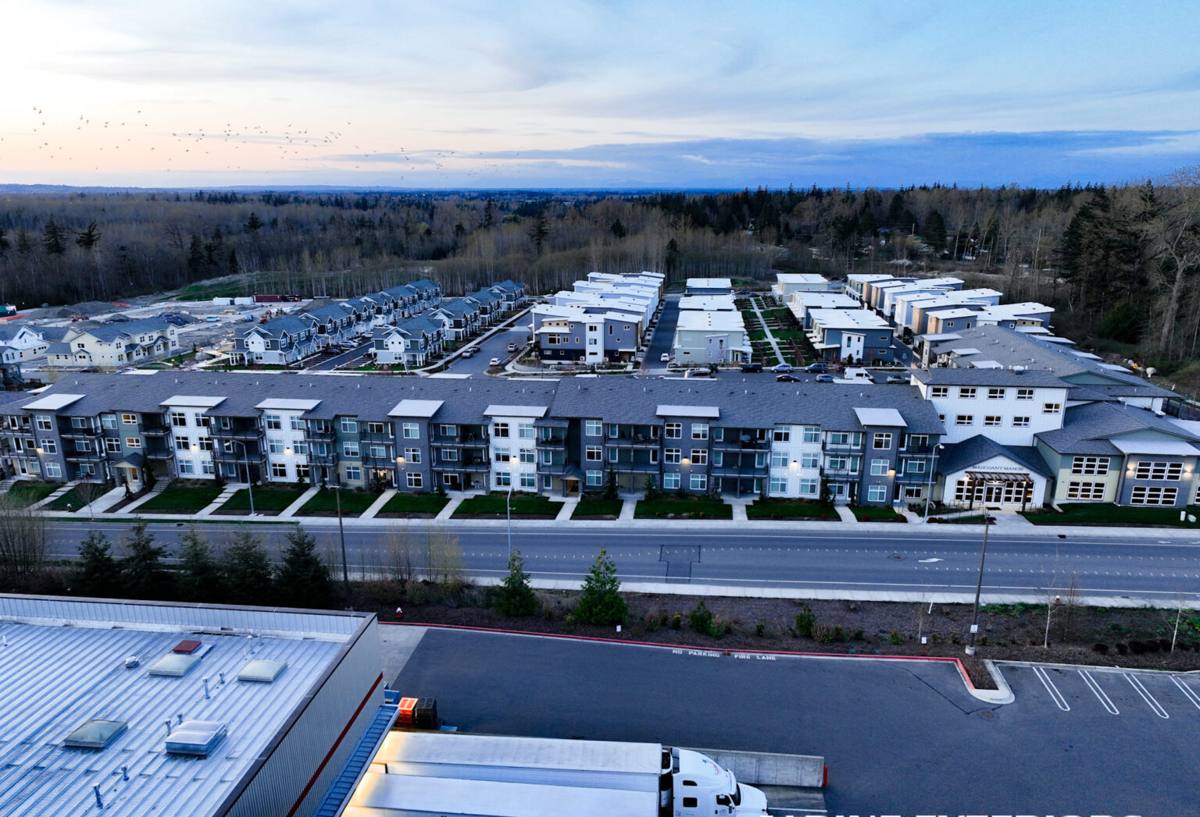
Barkley's mix of newer craftsman, farmhouse, and modern-traditional homes leans hard on vertical board and batten siding — full elevations of it, or panels used as an accent against horizontal lap siding. It reads clean, it reads current, and on the right home it genuinely elevates the street presence. But board and batten is not a style choice you can separate from the material underneath it. The vertical seams, the exposed batten strips, and the flat panel faces all behave differently in wet weather than a lapped horizontal board does, and Bellingham's weather does not go easy on siding. If you're specifying board and batten for a home in Barkley, the product and the installation matter more here than they would somewhere dry.
What Bellingham's Climate Does to Vertical Siding
Barkley sits close enough to Bellingham Bay that salt-laden air is a real factor on hardware, fasteners, and any coating that isn't built for it. Add Whatcom County's long wet season — driving rain that comes sideways off Puget Sound weather systems — and you've got a climate that pushes moisture into every seam, joint, and fastener hole that isn't detailed correctly. Then there's moss. Bellingham's moss season runs long, and north- and west-facing walls in shaded lots (common throughout Barkley's tree-lined streets) stay damp for weeks at a stretch. Moss and algae don't just look bad on siding — they hold moisture against the surface, and on vertical board and batten, that moisture has fewer places to shed than it does on a horizontal lap profile.
None of this means board and batten is a bad choice for Barkley. It means the product has to be genuinely moisture-resistant at the core, and the install has to manage water on purpose rather than hope the paint keeps it out.
Why We Only Install James Hardie for This Application
We install James Hardie fiber cement exclusively — no vinyl, no LP SmartSide, no primed wood — and board and batten is one of the applications where that decision pays off the most. For vertical siding in Barkley, we typically use HardiePanel vertical siding with HardieTrim battens, finished in ColorPlus Technology so the color is baked on at the factory rather than field-applied. Fiber cement doesn't swell, cup, or rot the way wood-based battens can when they take on repeated wetting, and it doesn't get brittle and crack in the cold snaps Whatcom County gets in winter the way vinyl board and batten profiles can.
ColorPlus finish matters specifically for this climate because it's engineered to resist the salt air and UV exposure common near the bay, and it holds its finish far longer than field-painted panels — which matters on a style where every batten seam is a potential touch-up point if the coating fails early.
The Two Systems, Side by Side
| Factor | James Hardie Board & Batten | Wood or Vinyl Alternatives |
|---|---|---|
| Moisture response | Non-combustible fiber cement, engineered to resist swelling | Wood battens absorb and swell; vinyl can warp under heat/cold cycling |
| Finish durability | ColorPlus factory finish resists fading near salt air | Field paint needs recoating; vinyl color can chalk over time |
| Moss/algae resistance | Dense fiber cement surface sheds growth more easily when detailed with a gap | Wood is porous and holds moisture that feeds moss |
| Fire rating | Non-combustible material | Wood is combustible; vinyl can deform under heat |
| Long-term appearance | Holds crisp panel/batten lines for decades when installed correctly | Prone to visible seams, warping, or repainting cycles |
What a Correct Board & Batten Installation Actually Involves
Board and batten looks simple from the curb — vertical panels, strips over the seams — but it's one of the less forgiving siding profiles to install correctly, and it's also one of the easiest to get away with installing poorly, at least for a few years. The problems show up later, usually as staining, soft spots, or moss buildup right along the batten lines.
The details that separate a correct install from a shortcut job
- Rainscreen gap: A drainage gap behind the panel lets any moisture that gets past the surface drain and dry instead of sitting against the wall sheathing — critical in a climate with Bellingham's rainfall totals.
- Panel-to-batten spacing: Battens need consistent reveal and correct fastening so they don't trap water against the panel face at the seam.
- Flashing at every horizontal transition: Window heads, belly bands, and roof-to-wall intersections all need proper flashing, not just caulk, because caulk is a maintenance item and flashing is a permanent solution.
- Fastener placement and type: Corrosion-resistant fasteners set to Hardie's specification, positioned correctly on the panel — over-driven or misplaced fasteners are one of the most common causes of early siding failure.
- Bottom clearance: Board and batten needs proper clearance off grade, decks, and roof lines to keep splash-back and standing moisture away from the base of the panel.
- Caulking at penetrations only where specified: Sealant belongs at specific joints, not as a substitute for flashing everywhere water could get in.
Skip any one of these and the siding can still look right at final walkthrough. The failures show up two, five, or eight winters later — which is exactly why installation quality matters more than most homeowners realize when they're comparing quotes.
Common Mistakes We See on Vertical Siding Retrofits
A fair amount of our board and batten work in the Bellingham area is replacing a previous install — often wood or vinyl — that failed early. The patterns repeat: no rainscreen gap, battens face-nailed straight through into the panel without accounting for movement, missing kick-out flashing where a roofline meets a wall, and moss allowed to build up for years along shaded elevations because the surface held moisture instead of shedding it. None of these are exotic problems. They're the result of treating board and batten like a cosmetic upgrade instead of a water-management system with a style on top of it.
Our Process for Barkley Homeowners
We walk every home before we quote it, because board and batten pricing and detailing depend on the home's specific exposure — a north-facing wall shaded by mature trees needs different attention than a sun-exposed south wall. Our process:
- On-site assessment: We look at existing siding condition, moisture staining, moss patterns, and the home's exposure to prevailing rain and salt air.
- Detailed estimate: A written scope covering tear-off (if applicable), water-resistive barrier, rainscreen strategy, panel and batten layout, flashing plan, and finish color.
- Install: Full removal of failing material where needed, correct sheathing inspection and repair, rainscreen installation, Hardie panel and batten install to manufacturer spec, and flashing at every transition.
- Walkthrough: We go over the finished work with you before calling the job done — not just the color and lines, but the details you can't see once it's up, like flashing locations and fastener spec.
Cost Factors for Board & Batten in Barkley
Board and batten generally runs somewhat higher than a straightforward lap siding install, mostly due to the batten material and labor for the additional fastening and reveal work. Actual pricing depends on your home's specifics, but these are the factors that move the number:
| Factor | Why It Matters |
|---|---|
| Existing siding removal | Tear-off of failed wood or vinyl adds labor and disposal cost |
| Sheathing condition | Rot or water damage found underneath needs repair before new siding goes on |
| Wall complexity | Dormers, gables, and multiple roof transitions increase flashing and cut work |
| Full elevation vs. accent use | Board and batten used as a partial accent costs less than full-home coverage |
| Color/finish selection | ColorPlus factory finishes vary by line; some premium colors carry a modest upcharge |
| Site access | Tight lots, fencing, or landscaping near the home can add labor time |
Living With Board & Batten in a Moss-Prone Climate
James Hardie siding is low-maintenance compared to wood, but "low-maintenance" doesn't mean "no maintenance" — especially on shaded elevations in Bellingham's moss season. A short annual routine keeps board and batten looking right for the long haul:
- Rinse siding annually with a garden hose (not a pressure washer, which can force water behind panels) to clear pollen, salt residue, and early moss growth.
- Trim back vegetation and tree limbs that shade walls and keep them damp longer than the rest of the home.
- Check gutters and downspouts each fall so overflow isn't running down siding faces.
- Inspect caulking at penetrations (light fixtures, hose bibs, vents) annually and re-seal if it's cracking.
- Watch for moss buildup specifically at batten seams and shaded corners — catching it early keeps it from staining the finish.
Why a Crew That Already Works Barkley Matters
A siding contractor who's worked other homes in Barkley already knows the neighborhood's common exposures — which lots run shaded and damp, which elevations catch the worst of the driving rain, and what the HOA or design patterns in the area tend to expect for exterior finishes. That local pattern recognition shows up in better decisions on rainscreen detailing, batten spacing, and flashing before a single panel goes up, not after a problem shows up in year three. It also means faster, more accurate estimates, because we're not guessing at how Bellingham's weather will treat a given wall — we've already seen it play out on homes nearby.
If you're considering board and batten siding for a home in Barkley, we'll walk the property, look at your specific exposure, and put together a straightforward, no-pressure estimate — just fill out the form below to get started.