 Bellingham Siding
 Roofing in Barkley Isn't the Same as Roofing Inland
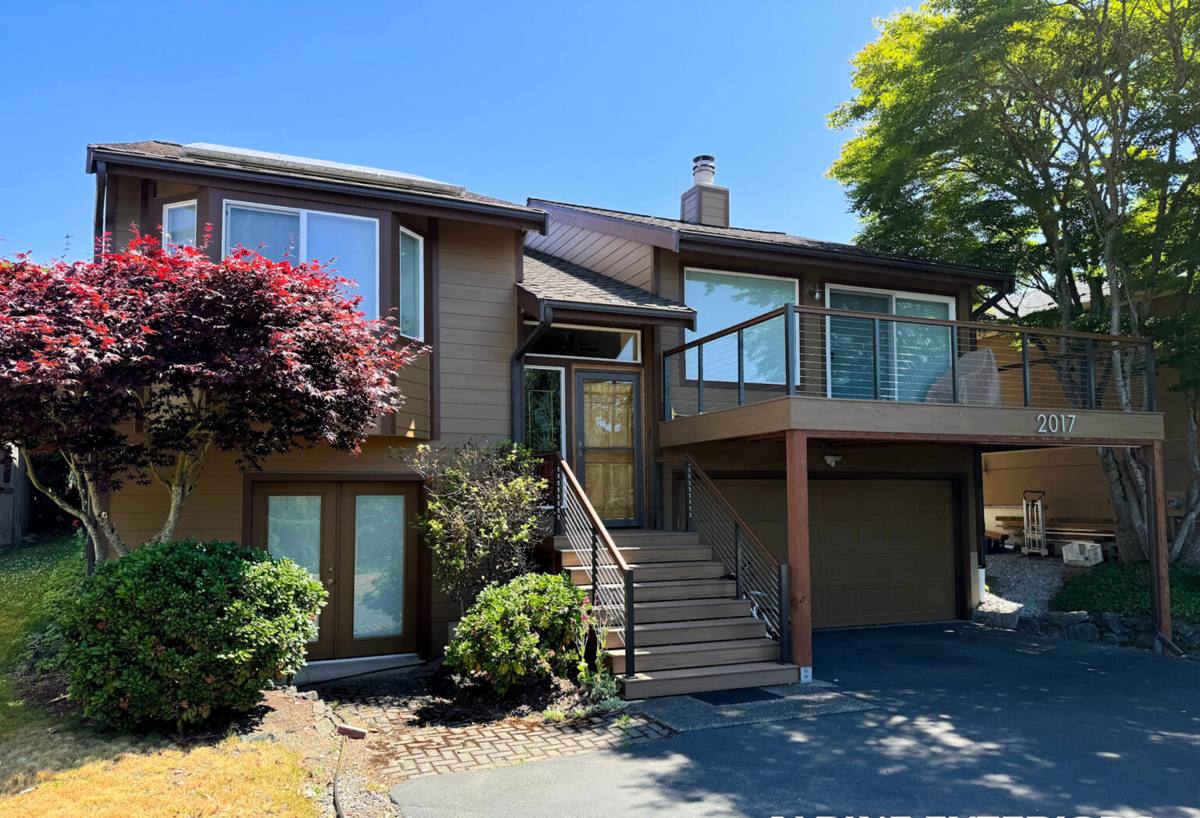
Barkley sits close enough to Bellingham Bay and the surrounding tree cover that its roofs deal with a combination most inland Whatcom County neighborhoods don't: salt-tinged marine air, long stretches of driving rain off the Sound, and shaded lots that stay damp well after the rest of the county has dried out. None of that is dramatic on its own. It's the combination, repeated for years, that shortens roof life if the original install wasn't built with it in mind.
A new roof installation here isn't just "take the old one off, put a new one on." It's an opportunity to correct whatever the last roof got wrong — usually ventilation, flashing details, or moss control — so the replacement actually lasts its full rated life instead of quietly failing at year twelve.
What Bellingham's Climate Actually Does to a Roof
Salt Air and Metal Fatigue
Proximity to the Bay means airborne salt settles on roofing surfaces, flashing, and exposed fasteners. Over years, uncoated or poorly galvanized metal components corrode faster here than they would twenty miles inland. This shows up first at nail heads, drip edges, and valley metal — small points that fail quietly until they leak.
Driving Rain and Wind-Driven Water
Storms coming off the water don't just fall straight down — wind pushes rain sideways and up under laps, edges, and poorly sealed penetrations. A roof that would be fine in a calmer climate can leak here simply because the underlayment, flashing, or shingle exposure wasn't sized for wind-driven water.
The Long Moss Season
Shaded, moisture-retentive lots — common throughout Barkley's tree-lined streets — give moss and algae a long growing window, often nine months of the year or more. Moss doesn't just look bad. It holds water against the roofing surface, lifts shingle edges, and works its way under laps and into fastener lines, which accelerates rot in the decking underneath long before most homeowners notice a problem from the ground.
Signs a Barkley Roof Needs Replacement, Not Another Repair
Repairs make sense when a roof is otherwise sound and the damage is localized. Replacement makes sense when the underlying material or structure is compromised broadly enough that patching just delays the inevitable — and often costs more over time than doing the job once, correctly. Watch for:
- Shingles that are cupping, curling, or losing granules in wide patches, not just one or two spots
- Moss growth that returns within months of cleaning, especially on north-facing or shaded slopes
- Soft or spongy decking felt underfoot in the attic, or daylight visible through the roof deck
- Repeated leaks around the same valley, chimney, or vent boot despite prior patch jobs
- Roof age approaching or past 20–25 years for asphalt composition, or visible fastener corrosion on metal roofing
- Rising energy bills paired with poor attic ventilation, suggesting heat and moisture are trapped under the roofline
Choosing a Roofing System That Fits This Climate
There isn't one "best" roofing material for every Barkley home — it depends on roof pitch, tree cover, budget, and how much long-term maintenance you're willing to do. Here's how the common options actually compare for this specific climate, not in the abstract.
| Material | Moss & Moisture Resistance | Typical Lifespan Here | Maintenance Burden |
|---|---|---|---|
| Asphalt composition shingle (algae-resistant) | Good with AR granules; still needs airflow and periodic cleaning | 20–30 years | Low to moderate |
| Standing seam metal | Very good — sheds moisture fast, little surface for moss to grip | 40–50+ years | Low, but coastal-grade fasteners matter |
| Cedar shake (untreated) | Poor in shaded, damp settings without diligent upkeep | 15–25 years, often less in shade | High |
| Synthetic/composite shake | Good — engineered to resist moisture absorption | 30–50 years | Low |
Our professional standard leans toward algae-resistant asphalt or metal for most Barkley homes, and we're upfront about why: untreated cedar can look excellent, but in a shaded, wet microclimate it demands a maintenance schedule most homeowners underestimate when they sign up for it. That's a trade-off worth knowing before you choose, not after.
What a Correct Installation Actually Involves
Tear-Off and Deck Inspection
We remove the existing roofing down to the deck rather than layering over it. That's the only way to actually see what's underneath — soft spots, prior water damage, or undersized sheathing don't show up until the old material is gone. Any compromised decking gets replaced before anything new goes down; installing over a weak deck just guarantees a shorter life for the new roof.
Underlayment and Water-Entry Points
Given how much wind-driven rain this area sees, underlayment selection matters more here than in drier climates. We use synthetic underlayment across the field and self-adhering ice-and-water membrane at the vulnerable spots — eaves, valleys, and around penetrations — where wind-driven water is most likely to find a way in.
Flashing and Valleys
Flashing is where most roof leaks actually originate, not in the field of the shingles. Chimneys, skylights, sidewalls, and valleys all get new, properly lapped flashing — not caulk patched over old metal. Given the salt exposure in Barkley, we favor corrosion-resistant flashing and fastener specs over the cheapest available option.
Ventilation Built for Moss Control
Balanced intake and exhaust ventilation keeps the underside of the roof deck closer to outdoor temperature and humidity, which slows the conditions moss and algae need to thrive, and helps the roofing material dry out faster after our long rainy stretches. A new roof installed without correcting poor ventilation is set up to grow moss again on the same schedule as the old one.
Fastening for Local Wind Exposure
We install to fastener patterns and nailing schedules that account for the wind exposure typical of this part of Whatcom County, rather than the bare minimum a manufacturer allows for calmer regions.
Our Process, Start to Finish
- On-site assessment — we walk the roof and attic, check decking condition, ventilation, and flashing points, and take real measurements rather than estimating from the ground.
- Written estimate — a clear scope of work and material options, with the trade-offs explained in plain language, no pressure to decide on the spot.
- Scheduling around Bellingham weather — we plan tear-off days around forecasted dry windows so your home isn't exposed longer than necessary.
- Tear-off and deck repair — old material removed, deck inspected, any damaged sheathing replaced.
- Underlayment, flashing, and ventilation install — the parts that determine whether the roof actually performs long-term.
- New roofing installed — to manufacturer spec plus the local adjustments described above.
- Site cleanup and magnetic nail sweep — yard, driveway, and landscaping cleared of debris and stray fasteners.
- Final walkthrough — we review the finished roof with you before calling the job done.
Permits, Timelines, and Warranty Basics
Most residential re-roofs in the City of Bellingham require a building permit, and inspections are typically tied to that permit process. We handle the permit application as part of the job so you're not navigating that separately. A typical single-family re-roof in Barkley — once weather cooperates — usually runs a few days from tear-off to cleanup, though steep pitches, multiple layers of old roofing, or extensive deck repair can extend that.
Warranty coverage generally comes in two parts: the manufacturer's warranty on the material itself, and our workmanship warranty on the installation. Ask any roofer to explain both separately — a strong material warranty doesn't mean much if the installation work isn't covered too.
Why a Crew That Already Works This Neighborhood Matters
A roofing crew that regularly works Barkley already knows the practical realities of the area: which streets have tight access for material delivery and dumpster placement, how tree cover on a given lot affects drying time and moss patterns, and what the City of Bellingham's permitting and inspection process actually looks like week to week. That's not marketing — it's the difference between a crew guessing at local conditions and one that's already accounted for them before the first shingle comes off.
It also matters for accountability. A contractor working in your neighborhood regularly has a reputation to protect with your neighbors, not just with you — which tends to show up in how carefully a job gets done and cleaned up.
Getting Started
If your roof is showing its age, holding onto moss no matter how often it's cleaned, or you're just not sure whether repair or replacement makes more sense, we're happy to take a look. We offer a free, no-pressure estimate — we'll tell you honestly what we find and what your real options are, with no obligation to move forward. The form below is the easiest way to get that scheduled.