 Bellingham Siding
 Decks Built for the Columbia Neighborhood's Weather
The Columbia neighborhood sits close enough to Bellingham Bay that salt-laden air, wind-driven rain, and long stretches of shade under mature trees all show up in how a deck ages. A deck built the same way you'd build one in a dry inland climate will struggle here — fasteners corrode faster, wood stays damp longer between rain events, and moss gets a foothold in any spot that doesn't drain or dry out. None of that means you can't have a deck that lasts decades. It means the design, material choices, and framing details have to account for Whatcom County's marine climate from the start, not get patched in later.
We build decks across Bellingham, and Columbia's mix of older homes with newer additions, tree-covered lots, and varied grade between the street and the backyard gives us a good read on what actually holds up here versus what looks fine for a season or two.
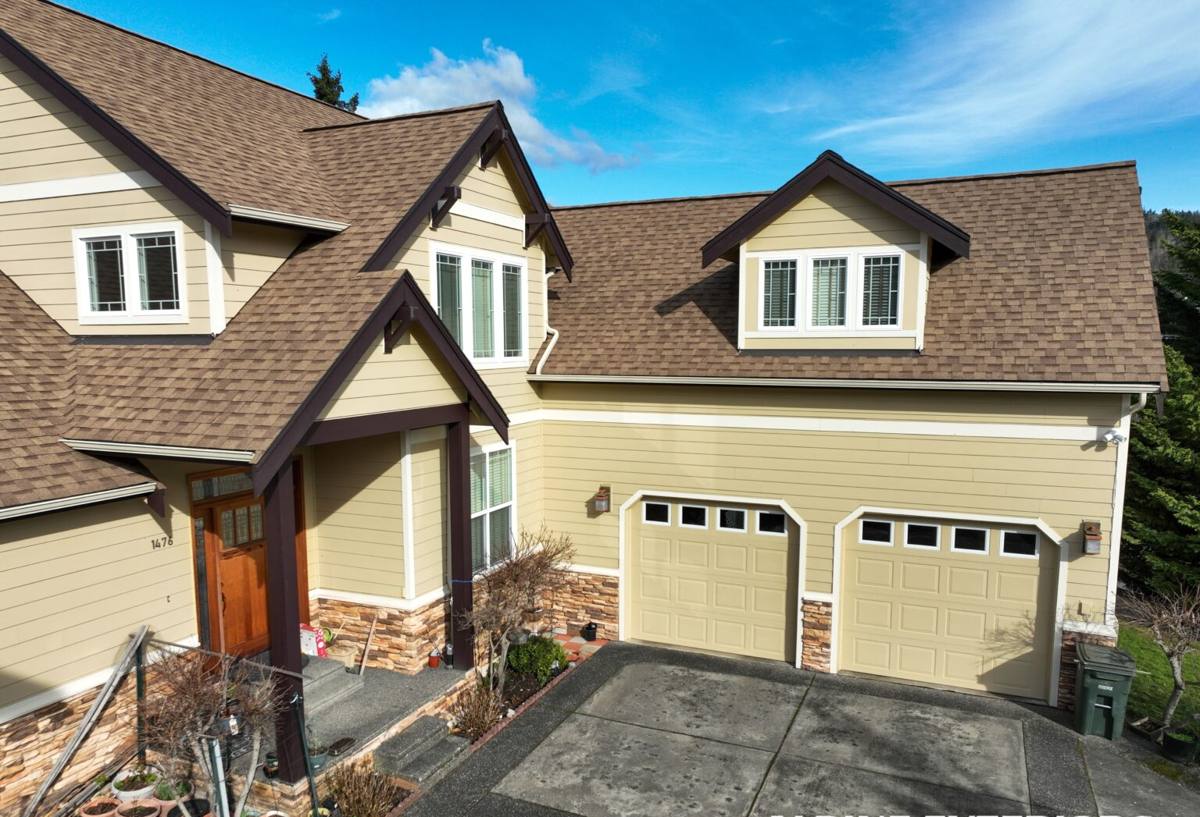
What Columbia Lots Tend to Ask Of a Deck
Every lot is different, but a few patterns show up often enough in this part of Bellingham that we plan for them before the first board goes down:
- Shade and slow-drying surfaces — mature tree canopy is common in older Bellingham neighborhoods, and shaded decking dries slower after rain, which is exactly what moss and algae need to establish.
- Grade changes — many lots step down from the house toward the yard, which affects footing depth, stair runs, and whether a deck needs to be built up on posts or can sit low to the ground.
- Older homes with newer decks — ledger attachment to an older band joist or foundation wall needs to be checked case by case rather than assumed.
- Coastal humidity — even without being right on the water, Bellingham Bay's influence keeps ambient moisture higher than an inland climate, which shortens the margin for error on flashing and fastener choice.
Choosing Decking Material for This Climate
There's no single "best" decking material — there's a best material for your budget, your maintenance appetite, and how much sun versus shade the deck actually gets. Here's how the common options compare for a wet, moss-prone climate like ours:
| Material | Upfront Cost | Maintenance | Moisture & Moss Resistance | Typical Lifespan |
|---|---|---|---|---|
| Pressure-treated wood | Lowest | Annual cleaning, periodic staining/sealing | Fair — needs upkeep to shed moisture well | 10–15 years before major repairs |
| Cedar | Moderate | Regular sealing to hold color and resist checking | Good natural rot resistance, but surface still needs care | 15–20 years with upkeep |
| Capped composite | Higher | Occasional washing, no staining/sealing | Very good — capped surface resists moisture and staining | 25+ years |
| PVC decking | Highest | Occasional washing only | Excellent — fully synthetic, no organic material to feed moss | 25–30+ years |
For heavily shaded lots — common in Columbia's older, tree-lined blocks — we lean toward capped composite or PVC when the budget allows, simply because moss and mildew have a harder time getting a grip on a non-porous surface. Wood is still a legitimate choice, especially for homeowners who want a natural look and are willing to keep up with cleaning and sealing on a real schedule, not just "when it starts looking gray."
Framing and Structure — Where Decks Actually Fail
Decking is the part everyone sees, but the framing underneath is what determines whether the deck is safe and long-lasting. In a wet climate, a handful of details matter more than they would somewhere drier:
Footings
Footings need to sit below the local frost line and bear on undisturbed, properly compacted soil — not fill dirt or loose backfill from a previous project. On sloped Columbia-area lots, that sometimes means deeper or stepped footings rather than a uniform depth across the whole deck.
Ledger attachment and flashing
Where a deck attaches to the house, proper flashing is what keeps water from working its way behind the siding and into the wall framing over time. This is one of the most common failure points we find on older decks — flashing that was skipped, installed backwards, or never integrated with the house's water-resistive barrier at all.
Fasteners and hardware
Standard fasteners corrode faster in a marine-influenced climate. Hot-dip galvanized or stainless hardware, and joist hangers rated for the decking material and exposure, cost more up front but avoid the rust streaks and weakened connections that show up within a few years on cheaper hardware.
Joist spacing and airflow
Tighter joist spacing than the bare code minimum, along with a little extra air gap under the decking boards, helps everything dry out faster after rain — which directly slows moss growth on the surface.
What Drives the Cost of a Custom Deck Here
Every project is quoted based on the actual site, but these are the factors that move the price up or down the most:
| Factor | Why It Matters |
|---|---|
| Size and shape | Multi-level decks, curves, and cutouts around trees or utilities add labor beyond simple square footage. |
| Grade and access | Sloped lots often need taller posts, extra footings, or stairs — all of which add material and labor. |
| Decking material | Wood, composite, and PVC span a wide price range, as shown above. |
| Railing style | Basic wood railing costs less than metal cable, glass panel, or composite railing systems. |
| Stairs | Each stair run adds framing, footings, and railing that a single-level deck doesn't need. |
| Permitting | Permit fees and any required engineering are part of the honest total cost, not an extra surprise later. |
Our Process, Start to Finish
- On-site walkthrough — we look at grade, drainage, tree cover, existing structure, and how the deck will actually be used before talking materials.
- Design and material selection — we lay out size, layout, decking material, and railing based on your budget and how much maintenance you want to take on.
- Written estimate — a clear scope and price, with material and labor broken out, not a vague lump sum.
- Permitting — we handle the permit application and inspections that apply to your project.
- Build — footings, framing, decking, and railing, with flashing and fastener details handled to the standard described above, not skipped to save time.
- Final walkthrough — we go over the finished deck with you and cover basic care before we consider the job done.
Keeping a New Deck Ahead of Moss and Rot
A well-built deck in this climate still needs some seasonal attention — the difference is that the maintenance stays simple instead of becoming a recurring repair bill. A yearly rinse to clear off pollen, leaf litter, and early moss growth, keeping gutters and downspouts clear so water isn't dumping directly onto or under the deck, and a quick check of railing connections and stair treads once a year covers most of it. Wood and cedar decks need staining or sealing on a real schedule — waiting until the wood looks gray means you're already behind. Composite and PVC decks skip that step entirely, which is a big part of why they cost more up front.
Before You Hire — What to Actually Ask
- Are you licensed and insured to build decks in Whatcom County, and can you show proof?
- Who pulls the permit, and is that included in the quote?
- What footing depth and spacing are you planning for this specific lot?
- What flashing method will you use where the deck meets the house?
- What fastener and hardware grade is included — standard or corrosion-resistant?
- What's the warranty on labor, separate from the manufacturer's warranty on materials?
- Can I see decks you've built in this area, and are they holding up as expected?
Why a Crew That Already Works This Area Matters
A lot of what separates a deck that lasts twenty-five years from one that needs major repair in eight isn't the brand of decking board — it's whether the crew building it understands how Bellingham's rain, humidity, and shaded lots actually behave over time. That's not something you learn from a spec sheet; it's something you learn from building and later inspecting decks in this specific climate. When we quote a project in Columbia, we're accounting for the same moisture and grade patterns we see across the neighborhood, not applying a generic build spec and hoping it holds up.
If you're planning a new deck or replacing one that's showing its age, we're glad to come take a look and put together a free, no-pressure estimate — no obligation, just an honest read on what your project actually needs.