 Bellingham Siding
 Windows in Columbia Take a Different Kind of Beating
Columbia sits close enough to Bellingham Bay that salt-laden air is a daily fact of life, not an occasional event. Add in the driving, wind-blown rain that rolls off the water for much of the year and the long stretch of damp, low-sun months that let moss and algae get a foothold on anything that stays wet, and you have a climate that's genuinely tough on window assemblies. This isn't the dry-heat wear you'd see in other parts of the country — it's steady moisture exposure, salt-air corrosion on hardware and fasteners, and UV-thinned caulk and weatherstripping that give out earlier than the manufacturer's brochure promises.
Older homes in this part of Bellingham often still have their original wood windows or a first round of aluminum replacements from decades back. Both can be perfectly serviceable if they were installed and maintained well, but both are also common places where water finds its way behind the trim and into the wall cavity long before anyone notices a problem inside the house. Whatcom County's building history includes a lot of solid, well-built homes — the issue is usually not the house, it's windows that were never sealed or flashed to handle this specific climate in the first place.
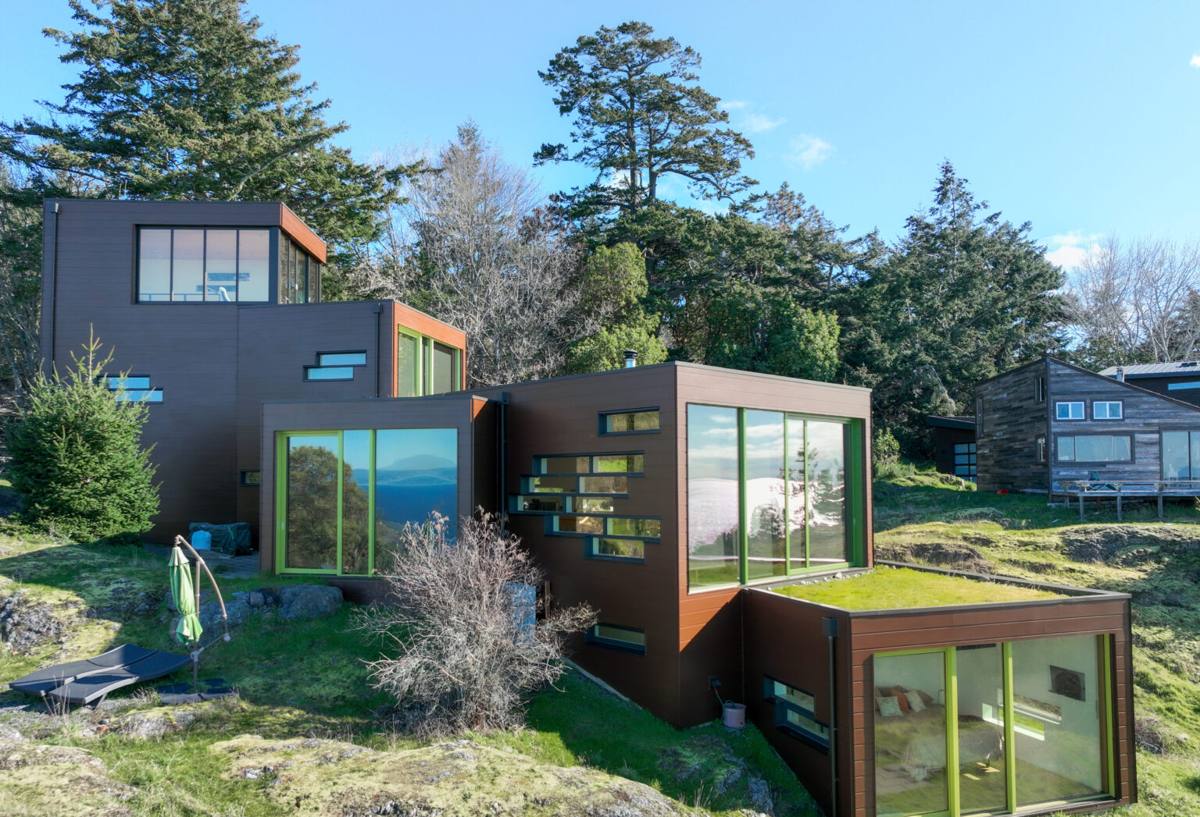
Signs a Columbia Home Needs Window Replacement — Not Just Repair
Not every drafty or sticky window needs a full replacement. But there are signs that point to a problem bigger than a new latch or a bead of caulk can fix:
- Fogging or a permanent haze between the panes of a double-glazed unit — the seal has failed and the gas fill is gone
- Soft, spongy, or discolored wood trim or sill, especially on the side of the house that takes the most wind-driven rain
- Visible mold or a musty smell at the base of the window frame or on the wall just below it
- Windows that won't stay open, won't latch, or have warped enough that the sash binds in the frame
- A noticeable draft you can feel with your hand along the frame edge on a windy day
- Paint that keeps failing on the exterior trim no matter how often it's redone
- Visible corrosion or pitting on aluminum frames or hardware — a common effect of long-term salt air exposure this close to the bay
If you're only seeing one of these and the frame itself is sound, a repair or reseal may buy you real time. Once you're seeing two or three together, that's usually water intrusion that's already working on the framing behind the window, and replacement becomes the more honest recommendation.
What a Correct Window Replacement Job Actually Involves
The window unit itself is only part of the job. In a climate like this, the installation details matter as much as the product, because most window failures we see start with water management, not glass or vinyl failure.
Removing the Old Window Without Creating New Problems
Careful removal means checking the condition of the rough opening, the sheathing, and any existing house wrap before a new unit ever goes in. If there's rot or soft sheathing behind the old frame — which we do find in older Columbia homes near the water — that gets addressed first. Installing a new window over damaged framing just hides the problem for a few more years.
Flashing and Water Management
This is the step that separates a window that lasts twenty-plus years from one that leaks in five. Proper flashing tape and sill pans direct any water that gets past the exterior seal back out of the wall, rather than letting it pool at the sill or track down into the framing. Given how much wind-driven rain this area sees, we treat flashing as non-negotiable, not an upsell.
Air Sealing and Insulation
Low-expansion foam or backer rod and sealant around the frame perimeter closes the air gaps that cause both drafts and condensation. Skipping this step is one of the most common shortcuts in budget installations, and it's usually invisible until the next heating bill or the next cold snap.
Interior and Exterior Trim
Trim gets resealed and finished to shed water on the exterior and to look right on the interior. Exterior caulk joints are one of the first things UV and salt air degrade, so we use products rated for the exposure this location actually gets.
Choosing Window Materials for a Marine Climate
There's no single "best" window material — the right choice depends on your home's exposure, your maintenance appetite, and your budget. Here's how the common options actually perform in Columbia's conditions:
| Material | How It Handles Salt Air & Rain | Maintenance | Typical Lifespan |
|---|---|---|---|
| Vinyl | Won't rust or corrode; good sealed-unit performance | Low — occasional cleaning | 20-30 years |
| Fiberglass | Excellent — dimensionally stable, resists moisture-driven warping | Low | 30-40+ years |
| Wood (unclad) | Handsome but needs consistent upkeep in this much moisture | High — regular repainting/sealing | Varies widely with maintenance |
| Wood-clad (vinyl or aluminum exterior) | Good — exterior shell protects the wood core from rain and salt | Moderate | 25-35 years |
| Aluminum | Prone to corrosion and pitting near the bay over time | Moderate to high | Shorter in this specific exposure |
We install vinyl and fiberglass units for most Columbia projects because they hold up to sustained damp exposure with the least ongoing owner effort. Wood-clad options remain a good fit for homes where matching an existing look matters and the owner is comfortable with a bit more upkeep. We're upfront that unclad wood and older-style aluminum, while sometimes original to a home's character, carry a real maintenance burden in this specific climate — that's a trade-off worth discussing honestly rather than glossing over.
Full-Frame Replacement vs. Insert Replacement
Insert (Pocket) Replacement
The new window is fitted into the existing frame, which stays in place. It's faster and less invasive to interior and exterior finishes, and it's a reasonable option when the existing frame is still solid, square, and dry.
Full-Frame Replacement
The old window and its frame come out completely, exposing the rough opening down to the framing. This is the right call whenever there's any sign of water damage, rot, or persistent air leakage — which is common enough in this area that we check for it on every estimate rather than assuming an insert will do.
We won't recommend an insert over a frame that's already compromised just to save a day of labor. If the frame is bad, covering it with a new window is a short-term fix that costs more to undo later.
Our Process, Start to Finish
- Free on-site assessment — we look at every window being considered, check the framing condition, and talk through what's actually needed versus what's optional
- Honest recommendation — full-frame or insert, material options, and a clear explanation of why, tied to what we find at your specific home
- Written estimate — itemized enough that you know what you're paying for and why
- Scheduling around Whatcom County weather — we plan installs to minimize the number of hours an opening sits exposed
- Removal and rough opening inspection — addressing any hidden moisture damage before the new unit goes in
- Installation with proper flashing, sealing, and insulation — the steps that determine how the window performs for the next twenty years
- Trim finish and cleanup — interior and exterior finish work, job site cleaned up before we leave
- Final walkthrough — operating every window with you before we call the job done
Why Local Experience in Columbia Matters
A crew that already works this part of Bellingham knows which walls take the worst of the wind-driven rain, how salt air near the bay accelerates hardware wear, and how long the moss season really runs here compared to inland Whatcom County. That's not something you can substitute with a generic install checklist written for a drier climate. It shows up in small decisions — which sealant to use, how much flashing overlap to build in, when to flag a rough opening as compromised instead of covering it up — and those small decisions are exactly what determines whether a window replacement holds up for decades or needs attention again in five years.
What Affects the Cost of a Window Replacement
Every home and every window is different, so we won't quote a number without seeing the job, but these are the factors that typically move the price:
| Factor | Why It Matters |
|---|---|
| Full-frame vs. insert replacement | Full-frame involves more labor and often trim and siding repair |
| Window material and glazing package | Fiberglass and higher-performance glass cost more upfront, less over time |
| Existing water or rot damage | Framing repair adds labor before the new window can go in |
| Number and size of openings | Larger units and more windows mean more material and labor |
| Access and height | Second-story or hard-to-reach windows take more time and setup |
| Trim and exterior finish work | Matching existing siding or trim detail adds finish labor |
We'd rather walk your home and give you real numbers than throw out a broad range that doesn't reflect what your windows actually need.
If your windows in Columbia are drafty, fogged, sticking, or just past their useful life, we're happy to take a look and give you a straightforward, no-pressure estimate — use the form below to get started.