 Bellingham Siding
 Building a Deck That Actually Holds Up in Lynden
Lynden homeowners ask for a lot of the same things: more usable outdoor space, a place to sit in the evening, room for a grill or a table big enough for the whole family. What most people don't ask about — until it's a problem — is what happens to that deck five, ten, or fifteen winters from now. Whatcom County sits in a wet corner of the Pacific Northwest, and the combination of driving rain, damp air moving in off the water, and long stretches of low, gray weather each fall and winter is hard on any outdoor structure that isn't built with that climate in mind.
A deck built the same way you'd build one in Arizona or even inland Idaho will not perform the same way here. The framing, the fasteners, the gaps between boards, the way water is routed off and away from the house — all of it needs to account for a place where things stay wet for days at a time and dry out slowly. That's the difference between a deck that looks fine for two summers and one that's still solid twenty years out.
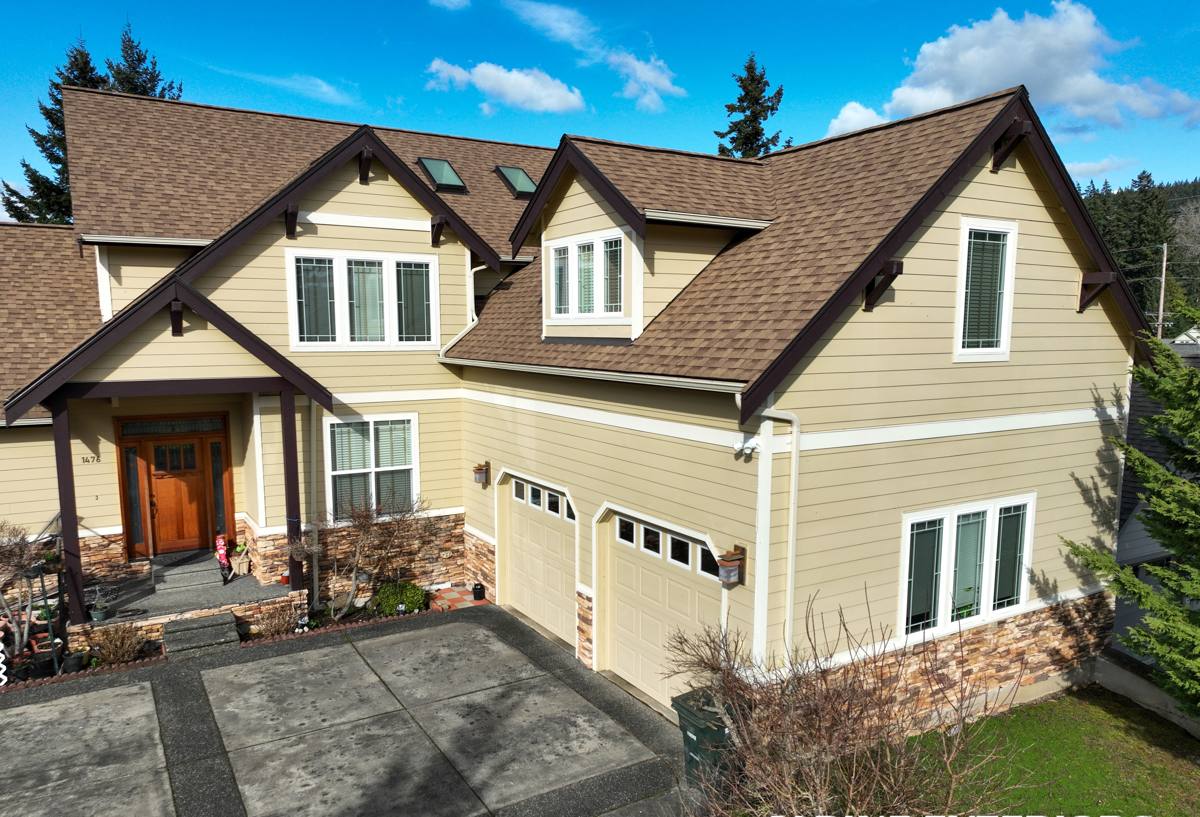
What Whatcom County Weather Does to a Deck Over Time
It's worth being specific about what actually causes deck problems here, because the failures we see are rarely dramatic. They're slow, and they start in places homeowners can't see.
Moisture and Wood Movement
Wood expands when it absorbs moisture and contracts as it dries. In a climate where it rains frequently for months and then dries out only partially between storms, that cycle happens constantly instead of seasonally. Over time it works fasteners loose, opens up small gaps at joints, and stresses any connection that wasn't designed to move a little. Untreated or improperly flashed framing lumber is the most common place we find this kind of slow damage.
Moss, Algae, and Surface Growth
Anyone who has power-washed a deck, a roof, or a driveway in this county knows the drill. Moss and algae need moisture, shade, and time — Whatcom County gives them plenty of all three. On a deck, moss doesn't just look bad. It holds water against the surface of the boards, which slows drying and accelerates rot in wood decking, and it makes the surface genuinely slippery underfoot, which is a real safety issue on stairs and near entry doors.
Freeze-Thaw Cycling
Lynden gets fewer hard freezes than colder parts of the state, but it does get them, usually mixed with rain and wind rather than dry cold. Water that gets into a crack, a fastener hole, or an unsealed cut end can freeze, expand, and widen that crack. It's a slower process than in the mountains, but over a decade it adds up, especially in ledger connections and stair stringers.
Choosing the Right Decking Material for This Climate
There's no single "best" decking material — there's a best material for your budget, your maintenance tolerance, and how you plan to use the space. Here's how the common options actually compare once you factor in a wet, moss-prone climate like ours.
| Material | Upfront Cost | Maintenance in This Climate | Typical Lifespan |
|---|---|---|---|
| Pressure-treated wood | Lowest | Annual cleaning, periodic sealing/staining, watch for moss buildup | 15–20 years with upkeep |
| Cedar | Moderate | Regular sealing to hold color and resist moisture; naturally rot-resistant but not maintenance-free | 15–25 years with upkeep |
| Composite decking | Higher | Occasional washing; no staining or sealing; still needs airflow underneath to avoid mold on the underside | 25–30+ years |
| PVC decking | Highest | Lowest maintenance; fully resists moisture absorption; can be more sensitive to installation errors around expansion gaps | 25–30+ years |
Wood costs less to install but asks more of you every year — cleaning, sealing, and watching for the early signs of rot around fastener heads and board ends. Composite and PVC cost more upfront but largely take moss and moisture concerns off your plate, which matters a lot in a climate where "just let it dry out" isn't a reliable strategy for half the year. We'll walk through the honest trade-offs for your specific project rather than pushing one product line — the right call depends on how long you plan to stay in the home and how much yearly upkeep you actually want to do.
Framing and Substructure: Where Decks Actually Fail First
The decking surface is what you see, but the framing underneath is what determines whether the deck is still safe in fifteen years. This is also where a rushed or under-priced build cuts corners, because nobody inspects it after the boards go down.
Ledger Board Flashing
The ledger board — where the deck attaches to the house — is the single most common source of hidden water damage on attached decks anywhere in the Northwest. Without proper flashing and a water-resistant barrier behind it, rain gets channeled directly into the rim joist and wall framing of the house itself. This is not a place to guess; it needs to be flashed correctly the first time.
Footings and Post Bases
Footings need to be sized and set below frost depth and clear of standing water. Post bases should hold the post up off the concrete, not embed wood directly into it, so water doesn't wick up into the post end grain — a detail that matters more here than in a drier climate, since that wicking process simply has more opportunity to happen.
Fasteners and Hardware
Galvanized or standard fasteners corrode faster in damp, salt-influenced coastal air than most homeowners expect, especially in contact with treated lumber, which is chemically more corrosive to metal than untreated wood. Stainless steel or coated fasteners rated for the specific treated lumber being used cost more but avoid the rust streaking and weakening that shows up within a few years when the wrong hardware is used.
Drainage and Airflow: The Details That Prevent Moss and Rot
A deck that sheds water well and dries out between storms will always outlast one that traps moisture, regardless of material. This comes down to a handful of design decisions made before construction even starts.
- A slight slope away from the house so water runs off rather than pooling near the wall
- Consistent gapping between boards so water drains through instead of sitting on the surface
- Clear airflow underneath the deck, not blocked by solid skirting on all sides
- Ground cover or gravel below the deck instead of bare soil, to cut down on moisture and moss growth underneath
- Gutters or drip edges positioned so roof runoff isn't dumping directly onto the deck surface
Skip any one of these and you end up with a deck that stays damp longer after every rain, which is exactly the condition moss and rot need to take hold.
Permits and Code Basics for a Lynden Deck
Most attached decks above a certain size or height require a building permit, and requirements can differ depending on whether the property is inside Lynden city limits or in unincorporated Whatcom County. Guardrails are generally required once a deck surface is a certain height above grade, stair and railing dimensions follow specific code minimums, and footing depth requirements exist specifically to deal with our freeze-thaw conditions. We handle permitting as part of the process so you're not the one tracking down requirements or scheduling inspections — but it's worth knowing that "no permit needed" is not something to take on a handshake basis, since it depends on the specifics of your project and lot.
How Our Deck Building Process Works
Site Visit and Design
We start by walking the actual site — grade, drainage patterns, sun and shade exposure, how the space will be used — rather than designing from a generic template. A deck that gets full afternoon sun needs different material and finish choices than one tucked under trees where moss pressure will be higher.
Material Selection
We go through the real trade-offs between wood, composite, and PVC for your specific budget and maintenance appetite, and we're straightforward about what each one will actually require from you five and ten years down the road.
Permitting and Planning
Once the design is set, we handle the permit application and any required inspections so the project is fully compliant, not just built to look right.
Construction
Framing, flashing, and footings go in first, built to standards that account for our climate rather than the bare code minimum where it matters — ledger flashing and fastener selection especially. Decking, railings, and stairs follow once the substructure is confirmed solid.
Final Walkthrough
We walk the finished deck with you, cover basic care for whatever material you chose, and make sure you know what to watch for as the seasons change.
Ongoing Maintenance for a Lynden Deck
Even a well-built deck needs some seasonal attention in this climate. Here's a simple annual routine that goes a long way:
- Sweep leaves and debris off the surface regularly in fall — trapped leaves hold moisture against boards and accelerate both rot and moss growth
- Wash the surface at least once a year to remove early moss and algae before it gets established
- Check railings and stair connections for looseness, which shows up faster here due to constant wet-dry cycling
- Reseal or re-stain wood decking on the manufacturer's recommended schedule, not just when it visibly fades
- Clear gutters and downspouts near the deck so roof runoff isn't draining onto the deck surface
- Confirm gaps between boards haven't filled in with debris, which blocks drainage
Why Hire a Crew That Already Works in Lynden
A lot of deck problems we get called to fix didn't come from bad intentions — they came from a builder who does great work in a drier climate but didn't account for what Whatcom County weather does to a structure year after year. Knowing which fastener grade actually holds up, how to flash a ledger board so it doesn't feed water into the house, and how much slope and airflow a deck actually needs here isn't something you learn from a general contracting textbook. It's something you learn by building and maintaining decks in this specific climate, season after season.
If you're planning a new deck in Lynden or need an honest opinion on whether an existing one is still sound, we're happy to take a look. Fill out the form below for a free, no-pressure estimate — we'll walk the site with you and give you a straightforward read on what your project actually needs.