 Bellingham Siding
 Building New in Happy Valley? The Windows Are Not the Place to Cut Corners
Happy Valley is one of Bellingham's older established neighborhoods, and like most of the city it's seeing a steady mix of infill building, additions, and full rebuilds alongside its existing housing stock. Whether you're framing a new home from the ground up or adding a room that needs windows installed into new framing rather than an existing opening, new-construction window installation is a different job from a replacement — and it only gets one chance to be done right. Once siding, trim, and interior finish work go on top of a window opening, mistakes in the flashing and sealing underneath are hidden until they show up as a leak, sometimes years later.
We install new-construction windows for homes in Bellingham and around Whatcom County, and Happy Valley is part of our regular service area. That matters because window installation isn't just about the product going into the wall — it's about how that opening is built to handle this region's weather for the next several decades.
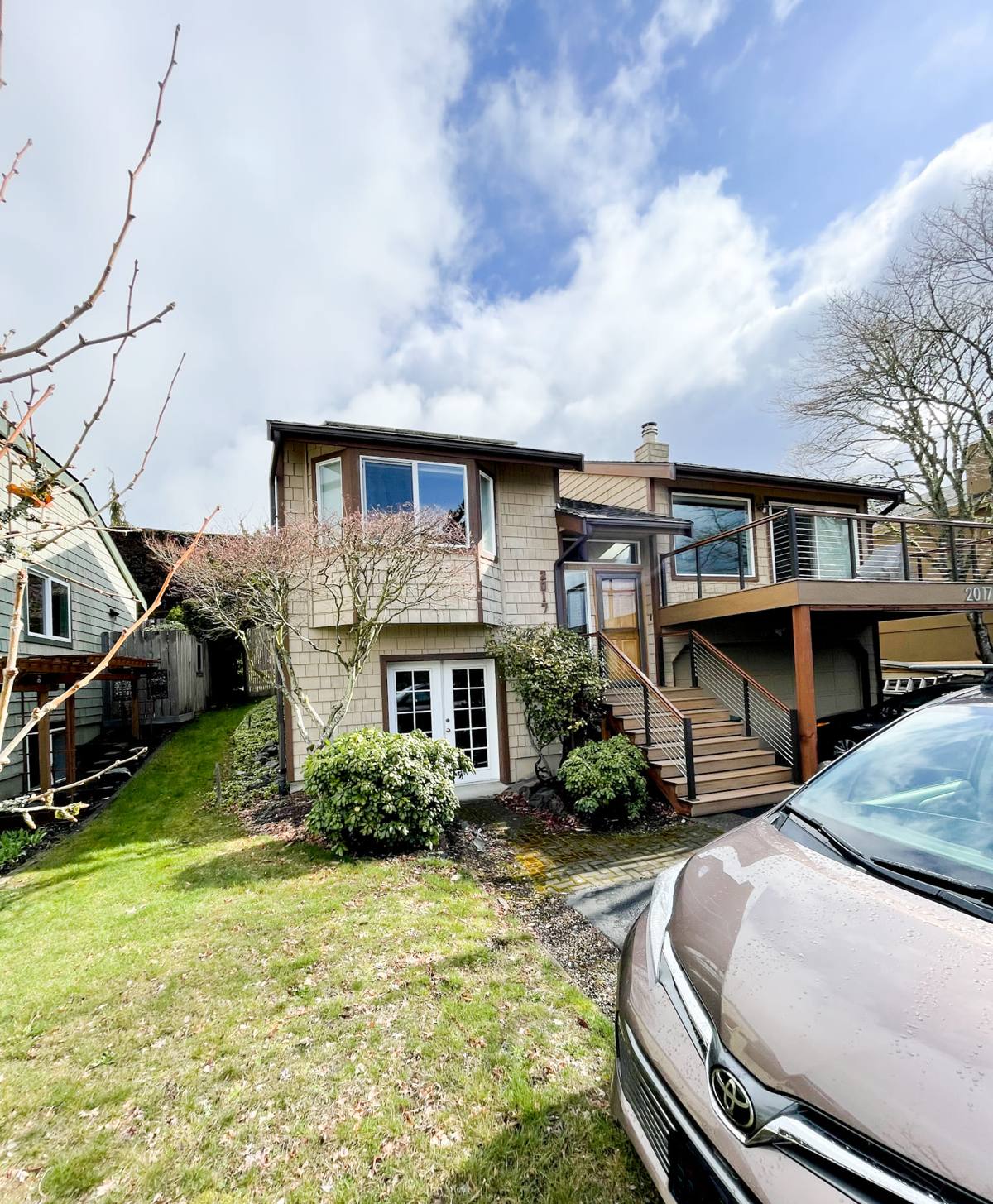
What Whatcom County Weather Does to a New-Construction Window Install
Bellingham sits on Bellingham Bay with a marine climate that's mild in temperature but hard on building materials in other ways. Three things matter most for a new-construction window opening here.
Salt Air and Metal Components
Proximity to salt water means airborne salt reaches homes well inland, not just along the immediate shoreline. Salt air accelerates corrosion on unprotected fasteners, window hardware, and flashing metal. We pay attention to what fastener and flashing materials go into a new opening, not just what's fastest to install, because the wrong metal combination here corrodes faster than it would in a dry inland climate.
Driving Rain
Whatcom County gets a lot of rain, and a good share of it comes in sideways during winter storms off the water. A new-construction window opening has to be built assuming wind-driven rain will hit that wall directly, not just fall straight down. That changes how flashing is layered and how the sill pan is built — details that don't matter much in a dry climate but matter a great deal here.
A Long Moss and Damp Season
Bellingham's moss season runs long — shaded and north-facing walls stay damp for months at a stretch. Constant moisture at a wall surface is exactly the condition that finds any gap in flashing or sealant and turns it into rot over time. New-construction openings that are properly wrapped and flashed shrug this off. Openings that were rushed or sealed with caulk alone instead of proper flashing don't.
What a Correct New-Construction Window Install Actually Involves
"New construction" windows have a nailing fin built into the frame, meant to be installed before siding goes on, integrated directly into the wall's water-resistive barrier. Getting that integration right is most of the job.
Rough Opening Prep
The rough opening has to be square, level, and sized correctly before the window ever shows up. We check this rather than assuming the framing crew got it perfect, because a window forced into an out-of-square opening will bind, won't seal evenly, and can stress the frame over time.
Sill Pan First
Any water that gets past the window — and eventually, some always does — needs somewhere to go besides into the wall framing. A sloped sill pan at the bottom of the opening, installed before the window, gives that water a path back outside instead of down into the sill plate and framing below.
Flashing Sequence
Flashing has to be layered like shingles — each piece overlapping the one below it — so water sheds outward and down at every layer: sill, jambs, then head flashing last, integrated with the housewrap or building paper above it. Get the order wrong and you've built a shelf that collects water instead of shedding it.
Fastening and Air Sealing
The nailing fin gets fastened per the manufacturer's schedule, and the gap between the window frame and rough opening gets sealed and insulated correctly — not overpacked with expanding foam, which can bow a frame out of square, and not left open, which lets in both air and moisture.
New-Construction Windows vs. Replacement (Pocket) Windows
Homeowners sometimes ask why we specify "new-construction" windows for an addition or full build rather than the retrofit-style windows used in replacement work. The two are built for different situations, and using the wrong one in the wrong context creates problems.
| Factor | New-Construction Window | Replacement (Pocket) Window |
|---|---|---|
| Installed into | Open, unfinished rough framing | An existing frame, siding intact |
| Nailing fin | Yes — fastens directly to sheathing | No — frame fits inside the old one |
| Flashing integration | Full sill pan and layered flashing tied into the WRB | Limited — relies on the condition of the existing frame |
| Best fit | New builds, additions, full siding tear-off jobs | Existing homes keeping their siding and trim |
| Long-term moisture control | Best available — built from the studs out | Only as good as the original opening underneath |
If you're building new in Happy Valley — an addition, a garage conversion, a ground-up build — new-construction windows with proper flashing are the right call. Using a pocket-style window into open framing skips the flashing integration a new-construction install is built to provide, which is a shortcut we don't take.
Choosing a Frame Material for This Climate
Frame material affects how a window holds up to Bellingham's damp, salt-tinged air over time. There's no single "best" material for every budget and every home, but the trade-offs are worth understanding before you decide.
- Vinyl — Low maintenance, good value, performs well in this climate; quality varies a lot between manufacturers, so we're selective about which lines we install.
- Fiberglass — More dimensionally stable through temperature swings, holds paint well, higher upfront cost, generally very good long-term performance in wet climates.
- Wood and wood-clad — Attractive, especially on older-style Bellingham homes, but requires ongoing maintenance to keep ahead of the moisture this climate delivers; we're upfront with clients about that maintenance burden before they commit.
- Aluminum — Strong and slim-profile, but a poor thermal performer and prone to condensation in a marine climate unless thermally broken; we use it selectively, not as a default.
Our Process for a Happy Valley New-Construction Job
- On-site walkthrough — We look at the framing plans or existing rough openings, the wall's sun and wind exposure, and talk through window selection for the build.
- Product and quote — We recommend frame material and glazing package based on the home's exposure and your budget, with a clear, itemized quote.
- Rough opening check — Before install day, we confirm openings are square, level, and correctly sized.
- Sill pan and flashing — Installed in the correct sequence before the window goes in, tied into the wall's water-resistive barrier.
- Window set and fastened — Set square and plumb, fastened per manufacturer spec, shimmed correctly so the frame isn't stressed.
- Final seal and insulation — Gaps sealed and insulated properly, interior and exterior trim ready for the next trade.
- Walkthrough — We check operation on every window and go over care and warranty coverage with you before we call the job done.
Why a Bellingham Crew That Already Works Happy Valley Matters
A crew that works this specific area regularly has already seen how Whatcom County's weather treats window installs over time — which details hold up and which shortcuts fail early. That's different from general construction experience in a drier or milder climate. We're not guessing at flashing sequences or fastener choices for salt air and driving rain; it's the baseline we build to on every job in this area, Happy Valley included.
Being local also means we're reachable after the job is done. If a question comes up during the next winter's first hard rain, you're calling a crew that's still in the area and knows the job, not chasing down a contractor who's moved on to the next city.
Before You Sign: A Checklist
Whoever you hire for new-construction window installation, these are worth confirming up front.
- Do they install a sloped sill pan on every window, not just caulk and hope?
- Can they explain their flashing sequence in plain language, in the order it goes on?
- Are they licensed and insured to work in Washington, and will they show you proof?
- Do they specify fasteners and flashing metal appropriate for a marine, salt-air climate?
- Does the quote break out window units, labor, and any trim or siding tie-in work separately?
- Will they warranty their installation labor separately from the manufacturer's product warranty?
Keeping New Windows Performing After Install
A correctly installed new-construction window needs very little from you, but a few habits extend its life in this climate. Keep gutters and downspouts clear so roof runoff isn't sheeting down over window heads. Rinse salt residue and moss growth off frames and sills during the wetter months, especially on north- and west-facing walls that stay shaded and damp longest. Check exterior caulking at trim joints yearly — not the flashing itself, which shouldn't need re-sealing, but the cosmetic trim seals that weather over time. And operate each window through its full range a few times a year so hardware doesn't seize from disuse.
If you're planning a new build, addition, or garage conversion in Happy Valley and want windows installed by a crew that treats the flashing details as seriously as the windows themselves, we're glad to take a look at your plans. Reach out for a free, no-pressure estimate using the form below.