 Bellingham Siding
 Window Installation Built for Lynden's Climate, Not Just Any Climate
Lynden sits in a part of Whatcom County that stays wet for most of the year. Marine air moves up from the coast and settles into the valley, bringing long stretches of steady rain, high humidity, and short windows of real drying weather. That combination is hard on windows in ways that don't show up right away. A window that looks fine on installation day can start letting in moisture two winters later if the flashing, sealant, or fastening wasn't done correctly the first time.
We install windows differently for homes in this area than we would for a house in a dry inland climate. That means more attention to how water is shed away from the opening, not just sealed at the surface, and material choices that hold up to repeated wet-dry cycles and the moss and mildew growth that comes with them. A window installer who treats every job the same, regardless of region, is skipping steps that matter here.
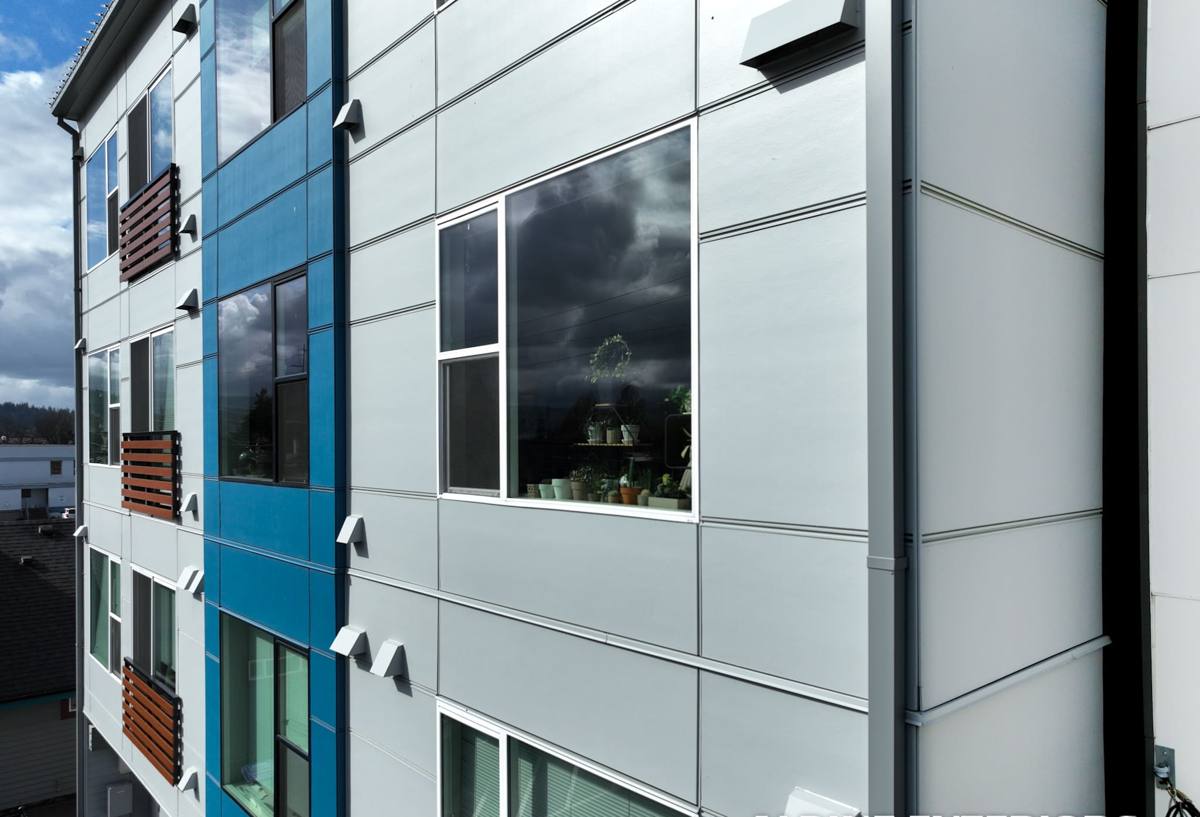
How Whatcom County Weather Wears Down Windows
Homeowners in Lynden usually don't notice window failure as a sudden event. It shows up gradually, and by the time it's obvious, there's often already damage behind the wall.
What to watch for
- Condensation building up between the panes, which means the seal has failed
- Soft or discolored trim and siding around the window frame
- A noticeable draft near the sash even when the window is latched shut
- Moss or dark streaking on the sill or exterior casing that keeps coming back
- Windows that stick, don't latch fully, or have visibly warped frames
- A musty smell in the room closest to the window, especially in fall and winter
Any one of these on its own might just mean a window needs caulking. Several together, especially paired with soft trim, usually means water has been getting behind the window for a while and the frame or sheathing underneath needs a real look, not a patch.
What a Correct Window Installation Actually Involves
Setting a new window into an opening is the easy part. The work that actually determines whether it lasts happens before the window goes in and around its edges after.
Before the window goes in
The old window comes out and we inspect the rough opening for rot, soft sheathing, or old flashing that's failed. In a climate as wet as this one, skipping this step is how new windows end up sitting on damaged framing. Any compromised wood gets addressed before anything new is installed.
Flashing and drainage
Flashing is what actually keeps water out over the long run, not the window itself. We install flashing so that any water that gets behind the siding or trim is directed back out, not trapped against the frame. This is the step that's most often rushed or skipped on lower-quality jobs, and it's the one most responsible for hidden rot down the line.
Sealing and insulation
The gap between the window frame and the rough opening gets sealed and insulated properly — not overpacked with expanding foam, which can bow the frame, and not left with gaps that let air and moisture through. Exterior sealant is applied at the right joints, not everywhere, since over-sealing can trap moisture that needs to escape.
Finish work
Trim, casing, and any siding disturbed during the swap get reinstalled or replaced so the exterior envelope is fully closed up again. A window installation isn't finished until the surrounding wall is as weathertight as it was before we started, ideally more so.
Choosing the Right Window for a Lynden Home
Material and construction quality matter more here than in drier parts of the state, because the window spends more of the year wet or humid than dry.
| Frame Material | How It Handles This Climate | Maintenance |
|---|---|---|
| Vinyl | Doesn't rot or corrode; handles moisture well; can expand/contract with temperature swings | Low — occasional cleaning |
| Fiberglass | Very stable in wet and temperature-variable conditions; strong long-term performer | Low |
| Aluminum | Durable but conducts cold and can condense/corrode over time in constant damp exposure | Moderate |
| Wood (uncladded) | Classic look but needs consistent upkeep to resist rot in a climate this wet | High |
| Wood-clad | Wood interior with a protective exterior shell; good moisture resistance if the cladding and seals are intact | Moderate |
We don't push one brand or product line as the answer for every home. What matters more is matching the frame material and glass package to how much direct weather exposure a given wall or elevation actually gets, and being upfront about the maintenance trade-offs of whichever option a homeowner picks.
Glass and Weatherstripping
Double-pane, low-E glass is the standard for this climate — it manages heat loss and helps reduce interior condensation on cold, wet days, which is a common complaint in older single-pane homes around Lynden. Weatherstripping quality matters just as much as the glass; poor weatherstripping is a frequent cause of drafts that get blamed on the wrong part of the window.
Full-Frame Replacement vs. Insert Windows
Not every window job requires tearing out the frame down to the studs. Whether a full-frame replacement or a simpler insert replacement makes sense depends on the condition of what's already there.
Insert (pocket) replacement
The new window fits inside the existing frame, which stays in place. This works well when the existing frame is still solid, dry, and square. It's faster and less invasive, but it only makes sense if there's no hidden rot or water damage behind the old unit.
Full-frame replacement
The entire window, including the old frame, comes out, exposing the rough opening. This is the right call when there's any sign of water intrusion, rot, or when the opening needs to be resized. It costs more and takes longer, but it's the only way to properly address damage that's already started — which, given the local climate, is common in older homes.
We'll tell you honestly which one your home needs after an inspection. Choosing insert replacement to save money on a wall with existing rot just seals the problem back up behind a new window.
Our Process for Lynden Window Projects
- On-site inspection of the existing windows, framing, and any signs of water damage
- Honest recommendation on insert vs. full-frame replacement, with reasoning explained
- Straightforward, written estimate — no pressure, no expiring "today only" pricing tactics
- Scheduling that accounts for weather windows, since flashing and sealant work needs a reasonably dry stretch to cure properly
- Removal of old windows, framing inspection, and repair of any rot or damage found
- Installation with proper flashing, insulation, and sealing at every unit
- Final walkthrough so you can see and test every window before we consider the job done
What Affects Window Installation Cost
Costs vary by home, and we won't quote a number without seeing the actual windows and openings. But these are the main factors that move the price up or down:
| Factor | Effect on Cost |
|---|---|
| Insert vs. full-frame replacement | Full-frame costs more due to added labor and materials |
| Hidden rot or water damage found during removal | Adds repair cost, but skipping it just delays a bigger repair later |
| Frame material (vinyl, fiberglass, wood-clad, etc.) | Material cost varies; fiberglass and clad-wood run higher than standard vinyl |
| Window size and number of openings | Larger and more numerous openings increase both material and labor cost |
| Access and height | Second-story or hard-to-access windows take more time and equipment |
We'd rather walk you through these factors upfront than give a vague ballpark that doesn't hold up once we're actually into the job.
Why Local Experience in Lynden Matters
A crew that regularly works homes in Lynden and the surrounding Whatcom County area already knows what this climate does to a building over time. That's not a marketing point — it changes real decisions on the job, like how much drying time to plan into a schedule, which flashing details actually hold up through a wet winter, and what kinds of rot patterns to expect when opening up an older wall. An installer who mostly works in a different climate is learning those lessons on your house instead of already knowing them.
It also means we're not disappearing after the invoice is paid. If a question comes up about how a window is performing a year or two later, we're still working in the area and reachable — not a crew that passed through once.
Keeping New Windows Performing Long-Term
Good installation is most of the job, but a little homeowner upkeep extends the life of any window in a wet climate like this one.
- Rinse pollen, moss spores, and grime off frames and sills a couple times a year
- Check exterior caulking annually and have gaps or cracking addressed before the wet season
- Keep gutters clear so overflow isn't running down onto window heads and trim
- Wipe down interior sills during cold snaps if condensation builds up
- Trim back vegetation that keeps a window's exterior shaded and damp longer than the rest of the house
None of this is complicated, but skipping it is how a well-installed window still ends up with avoidable problems a few years in.
If your Lynden home has drafty, foggy, or aging windows — or you're just not sure whether what you have is holding up the way it should — we're happy to take a look. The estimate is free, there's no pressure to move forward, and you'll get a straight answer about what your windows actually need. Use the form below to get started.