 Bellingham Siding
 Siding Repair for Sunnyland: Why the Neighborhood Matters
Sunnyland is one of Bellingham's older, tree-shaded neighborhoods, and homes here carry a mix of siding ages and materials — some original, some replaced once or twice already. That history matters when a repair crew shows up. A siding repair here isn't a generic patch job; it's a decision about how the existing material has aged under Whatcom County's particular mix of salt-tinged marine air, driving rain, and long stretches of shade that keep exterior walls damp far longer than homes in drier parts of the state.
Done right, a repair should look intentional, shed water the way the rest of the wall does, and hold up under the same conditions that damaged the original section. Done wrong, it just delays a bigger problem and can trap moisture behind the patch. This page walks through what local homes actually need, what a correct repair involves, and how our process works for Sunnyland specifically.
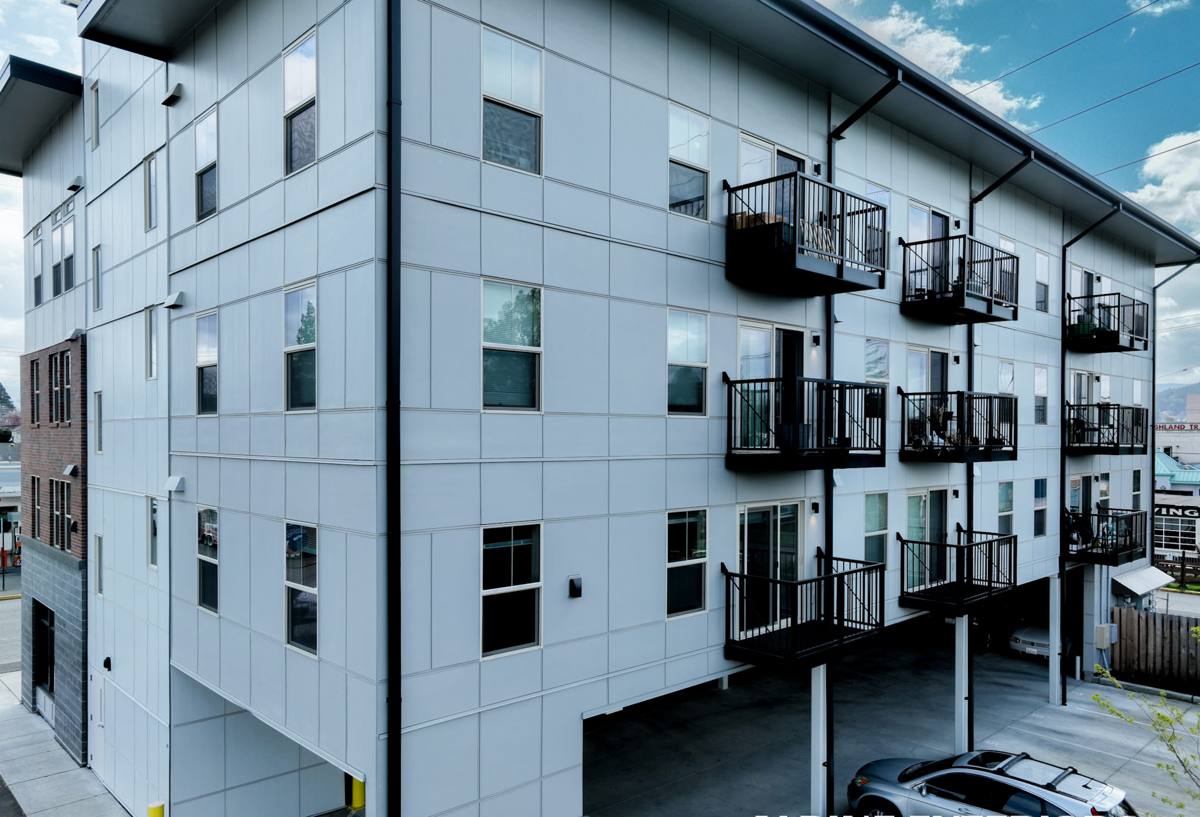
How Bellingham's Marine Climate Wears Down Siding
Salt-Tinged Coastal Air
Bellingham sits on Bellingham Bay, and the marine air that moves through Whatcom County carries fine salt content even well inland. Over years, that air accelerates corrosion on exposed fasteners, trim flashing, and any metal components tied into the siding system. It also keeps humidity levels higher than a typical inland climate, which slows drying time after every rain event.
Driving Rain and Wind-Driven Water
Fall and winter storms in this region rarely fall straight down. Wind-driven rain gets pushed sideways into wall assemblies, working into any gap, unsealed joint, or failed caulk line. Siding that was installed with tight, correctly lapped joints handles this fine for decades. Siding with even small installation flaws — a missing flashing, a butt joint that wasn't sealed, a nail driven too high — becomes the entry point water finds first.
Shade, Moss, and Slow-Drying Surfaces
Many Sunnyland lots have mature tree canopy, which is part of the neighborhood's character but also means north- and east-facing walls can stay damp for days after a storm. That extended moisture exposure is exactly what moss, algae, and mildew need to establish themselves on siding surfaces, and it's why homes on shaded lots here often show more surface staining and material breakdown than similar homes on open, sun-exposed sites just a few miles away.
Signs a Sunnyland Home Needs Siding Repair
Most siding problems give warning signs well before they become structural. Homeowners in this neighborhood should watch for:
- Soft or spongy spots when you press on a section of siding, especially near the bottom courses and around window and door trim
- Visible cracking, splitting, or buckling in individual boards or panels
- Paint or finish that's peeling, bubbling, or chalking unevenly in one area rather than across the whole wall
- Dark streaking, green or black moss growth, or a persistently damp smell near an exterior wall
- Gaps opening up at seams, corners, or where siding meets trim, window frames, or the foundation
- Visible daylight or drafts at interior walls that back up to an exterior wall showing exterior damage
- Insect activity — carpenter ants and similar pests are drawn to soft, moisture-damaged wood behind or within siding
Any one of these is worth a closer look. Several together, especially clustered in a shaded or rain-exposed section of the house, usually means water has been getting in for a while.
Repair or Replace? How We Make That Call
Not every damaged section needs a full re-side, and not every problem is fixable with a patch. The honest answer depends on how much of the wall is affected, what's underneath it, and how the existing material has held up. We walk through the same set of questions on every Sunnyland estimate:
| Factor | Leans toward repair | Leans toward replacement |
|---|---|---|
| Extent of damage | Isolated to one or two sections or elevations | Spread across multiple walls or the whole exterior |
| Underlying sheathing | Solid, dry wood behind the damaged siding | Soft, rotted, or water-stained sheathing found on inspection |
| Material age and condition | Remaining siding is sound and reasonably recent | Remaining siding is near end of life or already failing elsewhere |
| Cause of the damage | A single identifiable event (impact damage, one failed flashing) | A systemic issue — bad original installation, chronic moisture path |
| Color and profile match | Matching material is available and will blend acceptably | Material is discontinued, faded, or won't match without a full wall |
We'll always tell you honestly which side of that table your home falls on, including when a repair is the right call even though a full re-side would be more profitable for us.
What a Correct Siding Repair Actually Involves
Diagnosing the Real Problem First
Damaged siding is a symptom. Before any board comes off, we look at what's causing it — a flashing gap above a window, a downspout dumping water against a wall, a grade issue pushing splashback up the base of the siding, or simply age and sun exposure on a south wall. Replacing the visible damage without fixing the cause just means the same repair again in a few years.
Matching Material the Right Way
A repair should match the existing siding in profile, exposure, and finish — not just be "close enough." That's easier with some materials than others, which is part of why we standardized on one product line rather than working across many; more on that below.
Water Management, Not Just Patching
Every repair gets proper flashing and correctly lapped, sealed joints — the same water-shedding details that should have been there originally. In a climate that gets as much wind-driven rain as this one does, a cosmetic patch without correct flashing is a repair that fails again within a few seasons.
Finish and Color Matching
Where the repaired section will be visible against existing siding, we account for finish and color matching honestly upfront, including telling you when a perfect match isn't realistic on older or faded siding so there are no surprises on repair day.
Why We Only Repair and Install James Hardie Fiber Cement
We get asked this on repair calls specifically, because homeowners sometimes assume any siding crew can patch any siding material. In practice, the material matters a lot for how well a repair holds up long-term.
Vinyl siding can't really be repaired in the traditional sense — a damaged panel gets swapped, and matching an old, sun-faded panel to new stock is often difficult since vinyl color runs shift over time and older profiles get discontinued. LP SmartSide is a wood-strand product that needs its cut edges and any damaged spots resealed and repainted promptly, and figuring out how much moisture has already migrated into the substrate behind a damaged area takes careful judgment. Cedar siding is a real, traditional material, but it needs ongoing refinishing to perform, and in a shaded, damp neighborhood like this one, cedar sections that go a season or two without maintenance are exactly where we see the most rot when we open a wall up.
James Hardie fiber cement is what we install and repair because it holds up to this specific climate with the least ongoing risk: it's non-combustible, it doesn't absorb and swell with moisture the way wood-based products do, and its factory-applied ColorPlus finish means a replacement board can be color-matched far more reliably than field-painted materials. Hardie's HZ5 product line is engineered for climates that see exactly the freeze-thaw, moisture, and moss exposure that Whatcom County gets. That doesn't mean other materials are bad products — it means we've chosen to put our name behind the one that gives Sunnyland homeowners the most durable, most honestly repairable result over the following decades.
Our Process for Sunnyland Homeowners
- Inspection: We look at the damaged area and the surrounding wall, checking for moisture intrusion, flashing condition, and the underlying sheathing — not just the visible damage.
- Honest scope and estimate: You get a clear explanation of what caused the damage, whether repair or replacement is the right call, and a written estimate before any work starts.
- Repair day: Damaged material comes out, the cause gets corrected — flashing, sealant, drainage — and new material goes in matched as closely as the existing siding allows.
- Cleanup and walkthrough: We clear debris and walk the repair with you so you know exactly what was done and why.
Because we already work in this neighborhood, we're familiar with the kind of siding conditions Sunnyland's mix of home ages and tree cover tends to produce, which means fewer surprises once a wall is opened up and a more accurate estimate from the first visit.
Keeping Your Siding in Shape After the Repair
A good repair buys you years, but a little upkeep extends that further, especially on shaded lots:
- Keep gutters and downspouts clear so water isn't overflowing onto siding below the roofline
- Trim back vegetation and tree limbs that keep a wall shaded and damp longer than necessary
- Rinse moss and algae buildup off siding surfaces before it gets a chance to hold moisture against the material
- Recheck caulking at trim, window, and door joints every year or two, since sealant is the first thing to fail under repeated wet-dry cycling
If you're in Sunnyland and noticing damage, staining, or soft spots on your siding, we're happy to take a look and give you a straight answer on what it needs. Reach out for a free, no-pressure estimate using the form below.