 Bellingham Siding
 Why Birchwood Homes Need a Different Approach to Siding
Birchwood is one of Bellingham's older, well-established residential pockets, and that means a lot of the housing stock here was sided decades ago with whatever was standard at the time — often cedar, older vinyl, or builder-grade composite panels that were never engineered for the specific punishment this part of Whatcom County delivers. Proximity to Bellingham Bay puts homes in this area in regular contact with salt-laden air, which accelerates corrosion on fasteners and trim and slowly breaks down paint films faster than homes further inland. Add in the driving, wind-pushed rain that comes through the Salish Sea corridor several months a year, and you have siding that's under near-constant moisture pressure from multiple directions, not just straight-down rainfall.
Then there's moss. Whatcom County's cool, wet, shaded conditions — especially on north-facing walls and homes tucked under mature trees, common in older Birchwood lots — create a moss and algae season that can run eight months or longer. On siding that isn't dimensionally stable or properly finished, moss doesn't just look bad; it holds moisture against the wall assembly and works into seams, laps, and butt joints, giving rot a foothold long before most homeowners notice a problem.
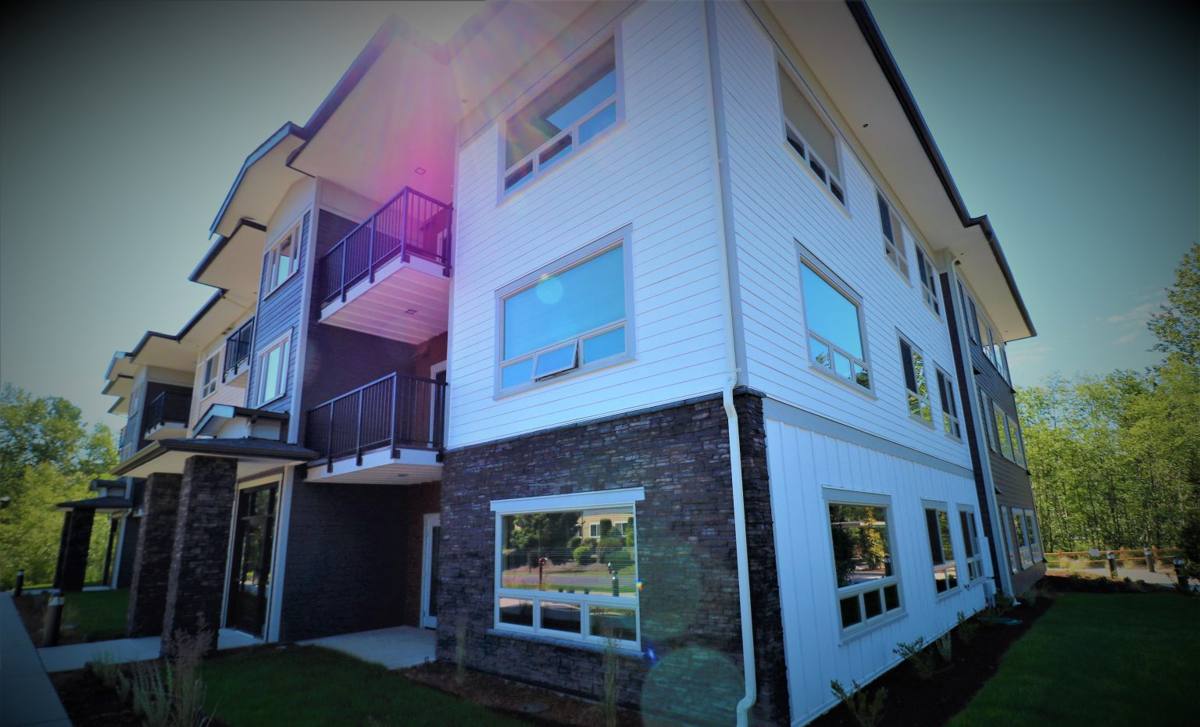
Signs a Birchwood Home Needs Siding Replacement, Not Just Repair
Not every siding issue means a full replacement. But in a climate like ours, certain signs tell you the material itself has reached the end of its usable life rather than just needing a patch or repaint.
- Soft, spongy, or crumbling spots when you press on the siding, especially near the bottom courses and around window and door trim
- Persistent moss or dark streaking that returns within weeks of cleaning, particularly on north- and west-facing walls
- Visible cupping, warping, or separation at panel seams and butt joints
- Paint that fails (peels, blisters, or chalks heavily) within a couple of years of a fresh coat
- Rust streaks bleeding from nail heads or fastener lines
- Rising interior humidity, musty smells along exterior walls, or unexplained increases in heating costs
- Visible daylight, insect entry, or drafts at trim and corner boards
If you're seeing two or more of these at once, that's usually a sign the water-resistive barrier behind the siding has already been compromised in places, not just the visible surface.
Why "Just Repainting It" Rarely Solves the Problem Here
On aging or moisture-compromised siding, a fresh coat of paint buys a little curb appeal but doesn't address what's happening behind the surface. In a marine climate with this much sustained moisture exposure, paint on a failing substrate typically fails again within one to two seasons, and the underlying wood or composite continues to absorb water the whole time. For homes in Birchwood that are already dealing with salt air and heavy rain load, that's money spent solving the wrong problem.
What a Correct Siding Replacement Actually Involves
Replacing siding correctly is a systems job, not a surface job. The siding panel itself is only one layer of a wall assembly that has to work together to keep water out and let the wall breathe. A replacement done right on a Birchwood home includes:
- Full removal of the old siding and trim, with the sheathing inspected for rot, soft spots, or existing water damage
- Repair or replacement of any damaged sheathing before new material goes up — covering over a compromised wall is how problems get sealed in rather than solved
- Installation of a new water-resistive barrier (housewrap or equivalent), lapped and taped correctly for our wind-driven rain conditions
- Proper flashing at every window, door, deck ledger, and roofline intersection — the majority of siding failures we see trace back to flashing details, not the siding material itself
- Correct fastening pattern and fastener type suited to the siding product, to prevent the corrosion streaking common in salt-air exposure
- Rainscreen or ventilation gap where appropriate, giving moisture a way to escape instead of sitting against the back of the panel
- Factory-finished siding installed to the manufacturer's specified clearances from grade, roofing, and decking — a detail that's easy to shortcut and expensive to ignore
Skipping any one of these steps doesn't just shorten the lifespan of the siding — it can void the manufacturer's warranty entirely, leaving a homeowner with a product that looks new but is unprotected if something goes wrong.
Why We Install Only James Hardie Fiber Cement
We install James Hardie fiber cement siding exclusively. We don't offer vinyl, LP SmartSide, or other composite alternatives, and that's a deliberate standard, not a limitation of what we're capable of installing. In a climate defined by salt air, sustained rain, and a long moss season, the material matters as much as the workmanship.
Fiber cement is non-combustible and dimensionally stable — it doesn't expand, contract, warp, or cup the way wood-based and some composite products can when they cycle through repeated wet-dry seasons. James Hardie's ColorPlus factory finish is baked on under controlled conditions and backed by its own finish warranty, which matters here because field-applied paint is exactly the kind of coating that struggles against sustained coastal moisture. Hardie's HZ5 product line is engineered specifically for climates like ours, with freeze-thaw and moisture performance built into the formulation rather than added after the fact.
None of that means fiber cement is maintenance-free. It still needs to be installed to spec, with correct clearances and flashing, and it still benefits from periodic washing to keep moss and algae from taking hold. But it gives Birchwood homeowners a much wider margin for error against the specific conditions this area throws at a house, and a warranty structure that's actually meaningful if something does go wrong.
Our Process for a Birchwood Siding Replacement
1. On-Site Assessment
We walk the exterior with you, check for soft spots and water intrusion, and look closely at trim, flashing, and grade clearances — the details that determine whether a wall assembly is actually failing or just cosmetically tired.
2. Straightforward Scope and Estimate
You get a clear breakdown of what's being replaced, what sheathing repair (if any) is anticipated, and what Hardie product and color line fits the home. No pressure, no inflated scope.
3. Tear-Off and Wall Inspection
Old siding comes off, sheathing gets inspected in daylight before anything new goes up, and any rot or damage is addressed and documented before we move forward.
4. Weather Barrier and Flashing
New housewrap and flashing go in first, sequenced correctly at every penetration and transition — this is the step that determines whether the wall stays dry for the next several decades.
5. Hardie Installation to Spec
Panels, fasteners, and clearances are installed to James Hardie's published specifications, which is what keeps the manufacturer's warranty intact and the finish performing the way it's designed to.
6. Final Walkthrough
We walk the finished job with you, cover basic care (including moss and algae washing recommendations for our climate), and answer any questions before we consider the job done.
What Siding Replacement Typically Involves Cost-Wise
Every home is different, and an accurate number requires seeing the specific house, but the factors below are what generally move the price up or down on a Birchwood siding replacement.
| Factor | Why It Matters |
|---|---|
| Extent of sheathing damage found at tear-off | Rot repair adds material and labor before new siding can go on; older Birchwood homes with past moisture issues are more likely to need some of this |
| Home size and wall complexity | More corners, dormers, and trim details mean more cutting, flashing, and labor time |
| Siding profile and Hardie product line chosen | Lap, shingle, and panel styles vary in material cost and installation time |
| Trim and accessory scope | Replacing trim boards, corner posts, and fascia alongside siding adds cost but improves the finished result and durability |
| Access and site conditions | Mature landscaping, tight lot lines, or multi-story walls common in older Birchwood streets can affect staging and labor time |
Why Hiring a Crew That Already Works in Birchwood Matters
Siding installation isn't one-size-fits-all across a region. A crew that primarily works drier inland areas may not think twice about a flashing detail or clearance gap that's a non-issue there but a real vulnerability against Bellingham Bay's salt air and rain patterns. Crews already familiar with Whatcom County's older neighborhoods know what to expect when they open up a wall — where moisture tends to collect, which trim details fail first, and how to sequence a job around our wetter months without compromising the install.
That local familiarity also shows up in smaller ways: knowing how to work around mature trees and tighter older lots, understanding typical permitting expectations in the City of Bellingham, and being realistic with homeowners about what a house this age and in this location actually needs versus what can wait.
Protecting Your Investment After Installation
A correctly installed Hardie siding job is built to handle this climate, but a little homeowner maintenance extends its life even further:
- Rinse siding annually, and more often on shaded or north-facing walls where moss tends to establish first
- Keep gutters clear so overflow doesn't run down the wall face repeatedly
- Trim back vegetation and tree cover that keeps a wall section damp and shaded longer than the rest of the house
- Have caulking and trim joints checked every few years, since sealant is the first line of defense and the first thing to wear out
- Address any impact damage or cracked panels promptly rather than waiting, since exposed edges are where moisture gets in fastest
If your Birchwood home is showing signs of siding fatigue — or you just want an honest read on whether repair or full replacement makes more sense — we're happy to take a look. Reach out for a free, no-pressure estimate using the form below.