 Bellingham Siding
 Deck Replacement for Silver Beach Homes
Silver Beach is one of those Bellingham neighborhoods where the outdoor living space actually gets used — decks here see morning coffee, evening dinners, and a lot of standing water in between, because Whatcom County's rainy season doesn't leave much of the calendar untouched. A deck that was built well ten or fifteen years ago has already absorbed a lot of that punishment, and at some point patching boards and swapping out a post here and there stops being a real fix. It starts being a way to delay the inevitable.
This page is specifically about deck replacement in Silver Beach: how to tell when a deck has actually reached that point, what a correct tear-out-and-rebuild involves, and how we approach the job on a home in this part of Bellingham. If you're weighing whether your deck can be saved or whether it's time to start over, this is the information that should actually inform that decision.
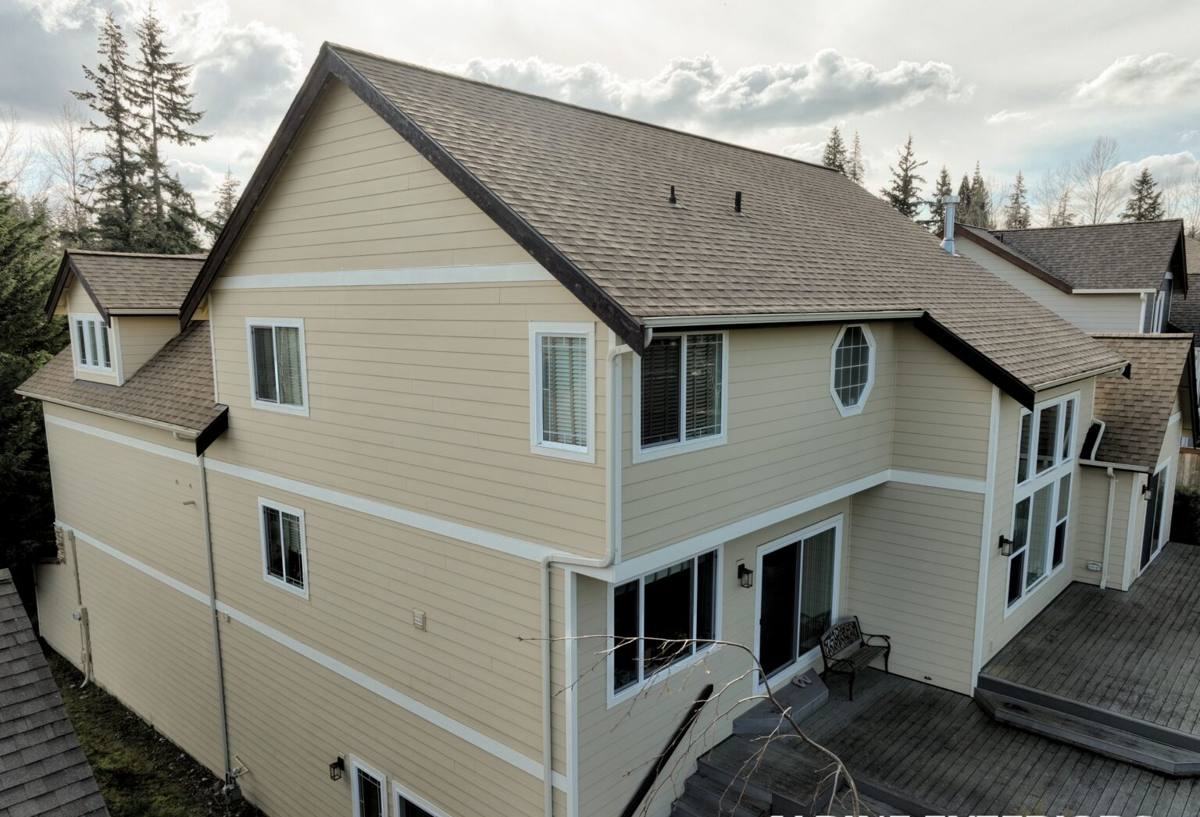
What Years of Bellingham Weather Do to an Aging Deck
Driving Rain and Ledger Rot
Rain in this part of Whatcom County rarely falls straight down for long. Wind pushes it sideways, up under railings, and into the joint where a deck's ledger board bolts to the house — one of the most structurally important connections on the entire deck and one of the hardest to inspect without pulling boards. On an older deck, years of wind-driven rain working into that joint is one of the most common reasons a deck that looks fine from the yard turns out to have real rot once you get underneath it.
Salt Air and Fastener Corrosion
The salt-tinged marine air that moves through this part of the county doesn't spare a deck sitting out in the open with no wall or roofline to shield it. Corrosion on old fasteners, joist hangers, and post hardware is often invisible from the top of the deck, which is exactly why a deck that "still looks okay" can be closer to a structural problem than the surface lets on. A galvanized nail from a build twenty years ago is not doing the same job today that it was doing when it went in.
A Moss Season That Doesn't Let Up
Bellingham's moss and mildew season runs most of the year on shaded and north-facing surfaces, and a horizontal deck surface holds water longer than a vertical wall does — it's simply built to catch what falls on it. Older decking, especially uncapped wood or early-generation composite, gives moss plenty of surface texture to grip onto. What starts as a cosmetic stain often points to boards that are holding moisture longer than they should, which shortens the life of everything underneath them too.
Signs Your Silver Beach Deck Needs Replacement, Not Just Repair
Not every tired-looking deck needs to come out. A section of loose railing or a handful of cupped boards can often be repaired. But certain signs point toward a deck that's past the point where patching makes financial or structural sense:
- Soft, spongy, or spring-feeling decking underfoot, especially near the house or around posts
- Visible rot or staining at the ledger board where the deck meets the house
- Posts that wobble, have visibly rotted at the base, or sit in concrete that's cracked or heaving
- Widespread fastener corrosion — rust streaks running down from screw heads or nail holes across multiple boards
- A deck built without proper flashing or a drainage gap, where moisture has clearly been trapped against the structure for years
- Railings that no longer meet current code height or spacing, which often shows up when a deck was built or altered a long time ago
- More than a handful of individual boards needing replacement at once, which usually signals the whole deck is aging out together
If you're only seeing one or two of these, a repair is often the honest answer and we'll tell you that. If you're seeing several, or the structural issues run deeper than the decking surface, replacement is usually the more cost-effective path over the next decade rather than repeated patch jobs on a structure that's already failing underneath.
Choosing a Replacement Decking Material for This Climate
A deck replacement is a chance to move off whatever material struggled the first time around. In Silver Beach's combination of salt air, driving rain, and a long moss season, the gap in real-world performance between decking materials shows up faster than it would in a drier, more sheltered location.
Wood
Pressure-treated lumber and cedar remain the traditional choice and can look good on day one, but both need regular sealing or staining to hold up against sustained moisture, and both are more exposed to fastener corrosion issues over time. If your old deck was untreated or under-maintained wood, that's very often the reason you're looking at replacement now.
Capped Composite
Capped composite boards use a plastic shell wrapped around a wood-fiber composite core, which resists moisture absorption, staining, and UV fade far better than either wood or older uncapped composite. In a climate like this one, that cap layer is doing real structural work for the board's lifespan, not just adding a marketing claim.
Cellular PVC
PVC decking contains no wood fiber at all, so it doesn't absorb moisture at cut edges or fastener holes the way even capped composite can. It typically costs more and can flex slightly more under heavy point loads, but for a deck that stays shaded or damp for long stretches, some homeowners decide the extra moisture resistance is worth it.
| Material | Moisture & Salt Air Behavior | Moss Resistance | Ongoing Upkeep |
|---|---|---|---|
| Cellular PVC | Excellent — no wood fiber to absorb moisture | Strong, smooth non-porous surface | Occasional washing |
| Capped composite | Strong — cap layer resists moisture and staining | Good on most lines | Occasional washing |
| Uncapped composite | Moderate — some moisture absorption at exposed fiber | Fair; prone to surface buildup over time | Periodic cleaning |
| Cedar | Moderate — natural resistance, but needs sealing | Fair when sealed and maintained | Regular oiling or sealing |
| Pressure-treated wood | Weak against sustained moisture and salt exposure over time | Poor without regular treatment | Regular sealing or staining |
What a Correct Deck Replacement Actually Involves
A deck replacement is more than pulling old boards and screwing down new ones. Done right, it means addressing everything the old deck's failure points revealed, not rebuilding the same weak spots under a fresh surface:
- Full tear-off and a real structural inspection of the ledger connection, posts, footings, and framing before anything new goes up
- Repair or replacement of any rotted framing, undersized footings, or damaged sheathing found once the old decking is off
- Properly flashed ledger board connection where the deck ties into the house — one of the single most common failure points on an aging deck
- Corrosion-resistant fasteners and hardware throughout, sized and spaced to the new decking material's actual specifications
- Correct board gapping for drainage and material movement, so wind-driven rain can actually shed and dry between boards
- Railings and stairs built to current code height, spacing, and load requirements, not just matched to whatever was there before
- Grading and ventilation underneath the deck so moisture doesn't sit against the new framing between storms
- Permitting handled as part of the job, since a full deck replacement in Bellingham generally requires one
Skip the structural check and just deck over what's there, and the new surface will look great for a season or two while the same rot and fastener corrosion keep working underneath it. A real replacement fixes what the old deck couldn't handle, not just what shows.
Our Deck Replacement Process in Silver Beach
Assessment and Structural Check
We start by walking the existing deck and getting underneath it where we can — checking the ledger connection, posts, footings, and framing condition, not just the decking surface. This is where we tell you honestly whether you're looking at a repair or a full replacement, and why.
Tear-Off
Once the scope is set, we remove the old deck down to whatever needs to come out, which sometimes means the entire structure and sometimes means keeping sound framing while replacing the parts that failed. Tear-off is also when hidden problems, like a rotted ledger board or undersized footing, get confirmed rather than guessed at.
Rebuild to Spec
Framing goes in first, sized and fastened for this climate's moisture and salt exposure, followed by ledger flashing, decking, and railings. We build to the manufacturer's specifications for whatever decking material you choose and to current code for railings and stairs, since both of those matter for how the deck performs and how it's covered under warranty.
Final Walkthrough
We walk the finished deck with you, cover what routine maintenance actually looks like for the material you chose, and make sure you know what to check on your own between our visits.
Cost Factors for a Silver Beach Deck Replacement
| Factor | Why It Matters |
|---|---|
| Extent of structural damage found at tear-off | Rotted framing, posts, or footings need repair before new decking goes on |
| Decking material chosen | Wood, capped composite, and PVC carry different material and labor costs |
| Deck size and layout complexity | Multiple levels, stairs, or built-in features add material and labor |
| Railing style and code updates | Bringing an older railing up to current code can add scope |
| Site access | Sloped Silver Beach lots or limited equipment access can add labor time |
| Permitting requirements | Scope and structural changes affect what permitting is required |
We'll walk your specific deck and give you real numbers once we've actually seen what's underneath it, rather than a rough estimate based on square footage alone. Two decks of the same size can have very different replacement costs depending on how much structural repair the tear-off reveals.
Why Hiring a Crew That Already Works Silver Beach Matters
A crew that mostly works other parts of Bellingham or further inland can still replace a deck competently, but a Silver Beach job has the same underlying variables that show up across this stretch of Whatcom County — driving rain that finds its way into ledger connections, salt-tinged air that shortens the working life of standard hardware, and a moss season that pressures horizontal surfaces longer than most homeowners expect. Working this neighborhood regularly means we've already seen which fastener grades, flashing details, and decking materials hold up here and which ones are worth the extra attention rather than an upsell.
That familiarity also shows up in the smaller judgment calls on install day — how a particular lot's grade affects drainage under the new deck, or being straightforward with you about what your deck actually needs to last another twenty years versus what's just an extra line item.
If your deck in Silver Beach is showing its age, we're happy to take a look underneath it, tell you plainly whether you're looking at a repair or a full replacement, and walk you through the options. There's a form below — reach out and we'll set up a free, no-pressure estimate.