 Bellingham Siding
 Window Installation Built for Silver Beach's Conditions
Silver Beach sits close enough to the water that homes here take a different kind of weathering than houses further inland. Salt-laden air, wind-driven rain that hits windows sideways rather than straight down, and a long stretch of the year when moss and moisture just don't let up — all of it works on window frames, seals, and glazing in ways that show up as drafts, fogged glass, and soft trim years before a homeowner expects it. Window installation in this neighborhood isn't just about picking a product and setting it in the opening. It's about accounting for how this specific stretch of Whatcom County treats exterior building materials over time.
We install windows across Bellingham, but we specifically know Silver Beach's exposure — the way certain elevations catch more weather than others, how older homes in the area were often built with window openings that weren't detailed for today's wind-driven rain loads, and what actually fails first when a window is installed without enough attention to flashing and sealing. This page covers what that means for a correct installation here.
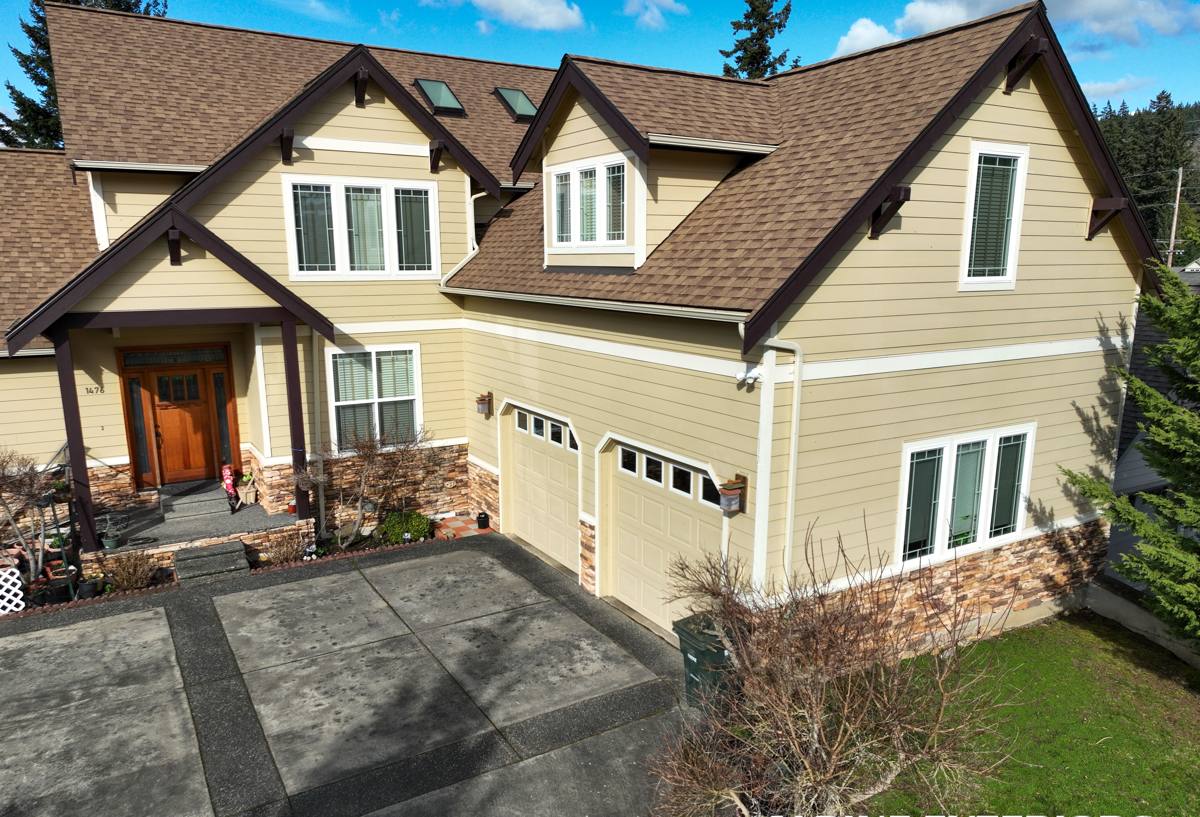
What Driving Rain and Salt Air Do to Windows Over Time
Two separate forces are at work on Silver Beach windows, and they compound each other.
Wind-driven rain
Rain that's pushed sideways by wind doesn't behave like rain falling straight down. It finds its way under trim, behind poorly lapped house wrap, and into any gap around a window frame that wasn't properly flashed. Once water gets behind a window, it usually doesn't show up as a visible leak right away — it shows up months or years later as soft sheathing, stained interior drywall, or a musty smell near the window that won't go away.
Salt air
Airborne salt accelerates corrosion on hardware — hinges, locks, balance mechanisms, and screws — and it breaks down certain finishes and sealants faster than they'd wear in a drier inland location. Aluminum components in particular are more vulnerable to pitting and corrosion near the water. This is one of the reasons frame material selection matters more here than it would on a house twenty miles inland.
The long moss season
Bellingham's wet season runs long, and moss and algae growth on sills, tracks, and exterior trim holds moisture against the window assembly for extended periods. Wood components that stay damp for weeks at a time are the ones that rot first. Good installation detailing — proper slope on sills, drainage paths that actually work, and sealants rated for sustained moisture exposure — is what keeps that damp cycle from turning into structural damage.
Signs Your Silver Beach Home Needs New Windows
Not every drafty window needs full replacement, but certain signs point clearly toward it rather than a repair or re-caulk:
- Condensation or fogging between the panes of a double-pane window — this means the seal has failed and the gas fill is gone
- Visible soft or discolored wood at the sill or bottom corners of the frame
- Windows that are noticeably harder to open, close, or lock than they used to be
- A persistent musty smell near a window that doesn't go away with cleaning
- Noticeable draft or temperature difference near the window on windy, rainy days
- Paint or finish that's bubbling, peeling, or chalking on the frame or trim
- Higher heating bills without another clear explanation
- Visible daylight or gaps around the frame from outside
If you're seeing more than one of these, it's worth having someone look at the actual condition of the framing before deciding between repair and replacement — sometimes what looks like a window problem is really a flashing or siding problem that's been sending water to the same spot for years.
Choosing the Right Window for This Climate
Frame material matters more in a coastal, high-moisture climate than it does in a lot of the country. Here's how the common options generally compare for a home like yours in Silver Beach:
| Frame Material | Moisture & Salt Air Performance | Maintenance | Typical Trade-Off |
|---|---|---|---|
| Vinyl | Good — won't rot or corrode, handles moisture well | Low | Limited color/finish options; can flex in extreme temperature swings |
| Fiberglass | Very good — dimensionally stable, resists moisture and salt exposure well | Low | Higher upfront cost than vinyl |
| Wood (clad exterior) | Depends heavily on the cladding and installation detail; interior wood needs protection from any moisture intrusion | Higher | Best interior appearance for some homeowners; more sensitive to installation errors near water |
| Aluminum | Weaker in salt air — more prone to corrosion and pitting near the water over time | Moderate | Strong and slim sightlines, but not our first recommendation this close to the shoreline |
We don't push one brand or product line as the only answer — the right choice depends on your home's exposure, your budget, and how it needs to look. What we won't do is install a product in a location where its known weaknesses line up directly with this neighborhood's weather. If aluminum is what you want for a specific look or opening, we'll tell you honestly what that trade-off looks like here rather than staying quiet about it.
What a Correct Installation Actually Involves
Most window failures aren't the window's fault — they're an installation problem. A window is only as good as the flashing, sealing, and drainage detail around it. A correct job in a climate like this includes:
Proper removal and opening inspection
Before a new window goes in, the old one comes out carefully and the rough opening gets inspected for hidden rot, soft sheathing, or prior water damage. Anything compromised gets addressed before the new window ever goes in — installing a new window over a damaged opening just hides the problem for a while.
Flashing that actually sheds water
Flashing tape and pan flashing at the sill need to be lapped correctly with the house wrap so that any water that does get past the window is directed back out, not trapped inside the wall assembly. This is the single most common place we find shortcuts on older or poorly done installations.
Sealant rated for the conditions
Exterior sealant needs to be applied at the right points — not everywhere, since windows also need a way to drain and weep — and it needs to be a product rated for sustained UV and moisture exposure, not a general-purpose caulk that will crack and fail within a couple of seasons.
Correct shimming and square
A window that's not shimmed level and square will bind, won't seal evenly, and will put stress on the frame and hardware over time — accelerating exactly the kind of wear salt air already causes.
Interior air sealing and insulation
The gap between the window frame and the rough opening gets properly insulated and air-sealed, which matters both for energy performance and for keeping moist interior air from condensing inside the wall cavity.
Our Installation Process, Start to Finish
- On-site assessment — we look at your existing windows, the condition of the openings, and how exposed your home is to wind-driven rain and salt air based on its position and orientation.
- Product recommendation — we walk through frame material and glass options suited to your home, your budget, and this climate specifically, without steering you toward whatever is easiest for us to install.
- Written estimate — a clear, itemized quote so you know what you're paying for before any work starts.
- Removal and opening prep — old windows come out, openings get inspected, and any hidden damage gets flagged and discussed with you before we proceed.
- Flashing, install, and sealing — the new window goes in plumb, level, and square, with flashing and sealant detailed for this area's weather.
- Interior and exterior finish work — trim, insulation, and finish work completed to match your home.
- Final walkthrough — we check operation, sealing, and appearance with you before calling the job done.
Cost Factors for Window Installation
Every home and project is different, but the main variables that move the price are the same ones on almost every job:
| Factor | Why It Affects Cost |
|---|---|
| Window count and size | More openings and larger units mean more material and labor |
| Frame material | Vinyl, fiberglass, and clad-wood have different material costs |
| Glass package | Double vs. triple pane, and any low-E or gas-fill upgrades, change unit cost |
| Condition of the existing opening | Hidden rot or damage found during removal adds repair time before the new window can go in |
| Access and site conditions | Second-story windows or difficult access can add labor time |
| Trim and finish work | Matching existing interior/exterior trim profiles adds carpentry time |
We'll walk through which of these apply to your specific home during the estimate so there aren't surprises once work starts.
Why a Crew That Already Works Silver Beach Matters
Window installation isn't a one-size-fits-all trade, and a crew that's worked this specific area has already seen how the local weather actually behaves against real houses — not just in general terms, but block by block, exposure by exposure. That familiarity shows up in a few practical ways: knowing which older homes in the area tend to have outdated flashing details that need extra attention, understanding how Whatcom County's permitting and building code requirements apply to window replacement, and being able to spot early moisture damage that an out-of-town crew might miss because they haven't seen what it looks like in this climate. It also means we're not learning on your house — we already know what a correct install needs to hold up against Bellingham's rain and the salt air coming off the water.
Caring for New Windows Through Moss Season
A well-installed window still benefits from basic upkeep, especially through the wetter months. A few habits go a long way:
- Keep sills and tracks clear of leaves, moss, and debris so water can drain freely
- Rinse salt residue off frames and glass periodically if your home is directly exposed to marine air
- Check exterior sealant lines once a year for cracking or separation and have it addressed early
- Operate locks and hardware periodically even on windows you don't open often, so mechanisms don't seize
- Keep gutters and downspouts clear so roof runoff isn't dumping extra water near window openings
None of this is complicated, but skipping it is how a well-installed window ends up with avoidable problems five or ten years down the road.
If you're seeing drafts, fogged glass, or soft trim on a Silver Beach home, or you're planning ahead for a remodel, we're happy to take a look and give you a straightforward, no-pressure estimate — just fill out the form below.