 Bellingham Siding
 Custom Windows Built for Sudden Valley's Wooded, Wet Setting
Sudden Valley sits in one of the shadier, more heavily wooded pockets of the Bellingham area, and that setting changes what a window has to do all day, every day. Tree cover keeps homes cooler in summer, but it also keeps siding, trim, and window frames damp longer after every storm. Add Whatcom County's long stretch of driving rain, the marine-influenced humidity that rolls in off the water, and a moss season that can run from fall clear through spring, and you have a climate that is genuinely hard on window frames, seals, and sills. Standard, off-the-shelf replacement windows are built to a national average. Homes in Sudden Valley need windows sized, sealed, and flashed for this specific environment.
"Custom" doesn't have to mean an exotic shape or a premium price tag. Most of the custom window work we do here is about getting an exact fit on openings that were never perfectly standard to begin with, and about installing that window in a way that actually keeps water out over the next twenty years — not just on move-in day.
What "Custom" Actually Means for a Sudden Valley Home
Custom windows are made to the precise measurements of your existing opening, rather than pulled from a stock size chart. That distinction matters more than most homeowners expect, especially in a neighborhood with a mix of home ages and construction styles like Sudden Valley.
Common Situations We Run Into
- Framed openings that have shifted slightly over the decades and are no longer perfectly square
- Older homes where the original window sizes don't match anything currently sold off the shelf
- Rot or soft framing around an opening that has to be corrected before a new window can be set properly
- Homeowners wanting a different window style — casement instead of a worn-out slider, for example — where the rough opening needs adjustment
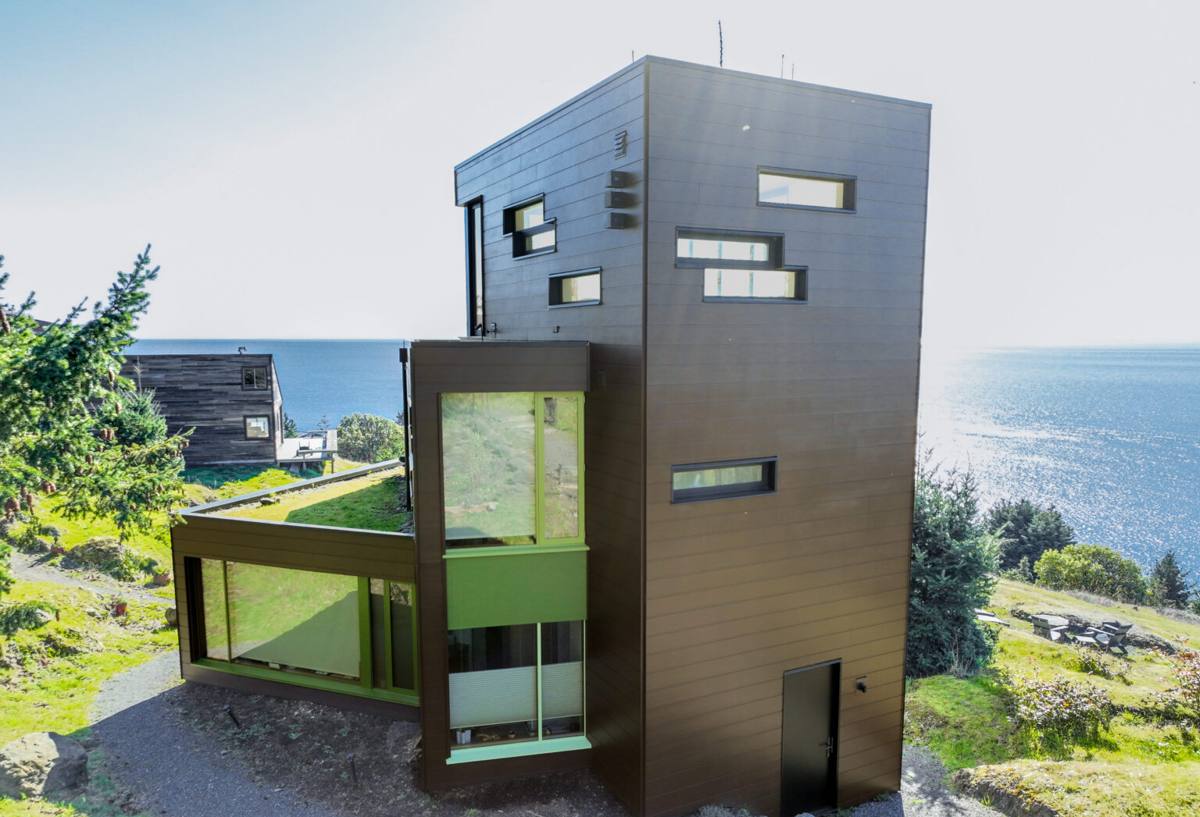
- Larger view windows or window groupings meant to take advantage of tree-lined or lake-adjacent sightlines, which almost always require custom sizing
In every one of these cases, forcing a stock-size window into an opening that doesn't quite match it is how you end up with shims, gaps, and caulk doing the job that proper flashing and sizing should be doing. That's a shortcut we don't take.
Why the Local Climate Changes the Job
A window installed in a dry, sunny climate can tolerate a mediocre seal for years before anyone notices a problem. That is not the case here. Whatcom County's damp, marine climate — cool, humid air, sustained rain events, and long shoulder seasons where surfaces rarely fully dry out — means any weak point in a window's seal or flashing gets tested constantly, not occasionally.
The Big Three Local Stressors
Driving rain: Wind-driven rain doesn't just hit a window head-on — it gets pushed sideways and upward into gaps that a straight-on rain would never reach. Proper flashing and sealant detail around the frame is what stops this from becoming a slow leak inside the wall cavity.
Shade and moisture retention: Sudden Valley's tree canopy is part of what makes the area appealing, but it also means less direct sun on the exterior of the home, slower drying times after rain, and more sustained humidity right at the window frame. That's an ideal environment for wood rot and mildew if materials and finishes aren't chosen for it.
Moss season: Moss doesn't just grow on roofs. It establishes in shaded window sills, tracks, and trim, holding moisture against the frame long after the surrounding siding has dried. Sills and trim details need to shed water and resist that kind of buildup, not trap it.
Choosing the Right Frame Material
Frame material is one of the biggest decisions in a custom window project, and it's worth choosing based on how each option actually performs in a damp, shaded climate rather than on appearance alone.
| Frame Material | Moisture Performance | Maintenance | Typical Fit for Sudden Valley |
|---|---|---|---|
| Vinyl | Won't rot; handles sustained moisture well | Low — occasional cleaning | Strong all-around choice for shaded, damp lots |
| Fiberglass | Excellent; very stable in temperature and moisture swings | Low | Good for larger custom openings and view windows |
| Wood | Attractive but vulnerable without diligent upkeep | High — needs regular refinishing, especially in shade | Best reserved for interior-facing or well-protected openings |
| Wood-clad (wood interior, clad exterior) | Good, if cladding and seams are detailed correctly | Moderate | Works well when a wood interior look is wanted with better weather protection outside |
We're honest with clients about the trade-offs here: an all-wood exterior in a shaded, damp part of Sudden Valley is going to demand more upkeep than most homeowners want to keep up with. That's not a knock on wood windows — it's just a maintenance reality of this specific climate. Vinyl and fiberglass hold up with far less attention, which is why they make up most of what we install in this neighborhood.
Our Installation Process
The window itself is only part of the job. How it's installed determines whether it performs for two years or twenty.
- On-site measurement and inspection. We measure every opening individually and check the surrounding framing, sill, and sheathing for rot or soft spots before ordering anything.
- Repair before replace. Any compromised framing or sheathing gets corrected first. Installing a new window over damaged framing just hides a problem instead of fixing it.
- Proper flashing and drainage detail. This is the step that matters most in a driving-rain climate. Flashing tape, sill pans, and correctly lapped house wrap direct water out and away from the wall assembly instead of letting it collect.
- Setting the window level, plumb, and square. A window that's slightly out of square will bind, leak at the corners, and wear its weatherstripping unevenly.
- Sealing and insulating the gap. The space between the window frame and rough opening gets properly insulated and sealed — not just caulked at the exterior trim.
- Exterior trim and finish work. Trim details are shaped to shed water rather than hold it, which matters directly for keeping moss and mildew from establishing at the sill.
- Final walkthrough. We check operation, seal, and finish with you before considering the job done.
Signs Your Current Windows Are Already Struggling
Because of the shade and moisture in Sudden Valley, window problems here tend to show up as slow, quiet issues rather than sudden failures. Worth checking for:
- Fogging or condensation between panes on double- or triple-pane windows (a sign the seal has failed)
- Soft or spongy wood at the sill or lower frame corners
- Moss or dark green staining building up in the sill track or lower trim
- Drafts or a noticeable temperature difference near the window even when it's closed
- Difficulty opening, closing, or locking — often a sign the frame has shifted slightly
- Paint or finish that's peeling or bubbling specifically around the window, rather than across the whole wall
- A musty smell near the window that wasn't there before
Any one of these on its own isn't necessarily an emergency, but a few of them together usually means moisture has been getting past the seal for a while.
What Affects Cost
We don't quote generic numbers on a page — every custom window job in Sudden Valley depends on the specifics of the home — but these are the main factors that move the price up or down.
| Factor | Why It Matters |
|---|---|
| Frame material | Vinyl is typically the most budget-friendly; fiberglass and wood-clad options cost more upfront but offer different performance and appearance trade-offs |
| Opening condition | Rot repair or reframing adds labor before the window itself is ever installed |
| Size and shape | Larger view windows, custom shapes, or multi-window groupings require more material and labor than a standard single unit |
| Number of windows | Whole-home replacements typically bring a better per-window cost than replacing one at a time |
| Access and site conditions | Second-story openings, steep lots, or limited access add time and equipment needs |
We'll walk your home, point out anything that affects the scope honestly — including if a repair rather than full replacement makes more sense — and give you a clear written estimate before any work starts.
Why It Matters to Hire a Crew That Already Works This Neighborhood
A crew that's spent time working in Sudden Valley already understands the shade patterns, the moisture behavior on wooded lots, and the kind of framing common in the neighborhood's older homes. That familiarity shows up in small but important decisions — how much drying time to build into a schedule around rain, which flashing details hold up best under this specific tree cover, and what to look for when opening up a wall that's had years of shaded moisture exposure.
It also matters for something simpler: being a contractor who's genuinely reachable if a question comes up after the job is done, not a name attached to a one-off project from out of the area. We service Bellingham and the surrounding Whatcom County communities, including Sudden Valley, and we stand behind the installation work we do here.
Ready for a Straightforward Estimate?
If your windows are showing any of the signs above, or you're planning ahead for a home in Sudden Valley, we're glad to take a look and give you an honest read on what's going on — no pressure, no upsell. Fill out the form below for a free estimate and we'll go from there.