 Bellingham Siding
 Why Birch Bay Windows Wear Out Differently
Birch Bay sits right on the water in Whatcom County, and that shoreline location changes what your windows are up against compared with a home a few miles inland in Bellingham. Salt-laden air corrodes metal hardware and fasteners faster than it does further from shore. Wind off the water drives rain sideways into wall assemblies that were only ever designed for straight-down weather. And the long, gray, damp stretch of a Pacific Northwest fall and winter keeps window sills and tracks wet long enough for moss and algae to take hold, especially on the shaded, north-facing side of a house.
None of that means Birch Bay is a bad place to own windows — it just means the installation has to account for conditions a generic job might skip. A window that's a perfectly good choice in a dry inland climate can underperform here if the flashing, fasteners, and frame material weren't chosen with the coast in mind.
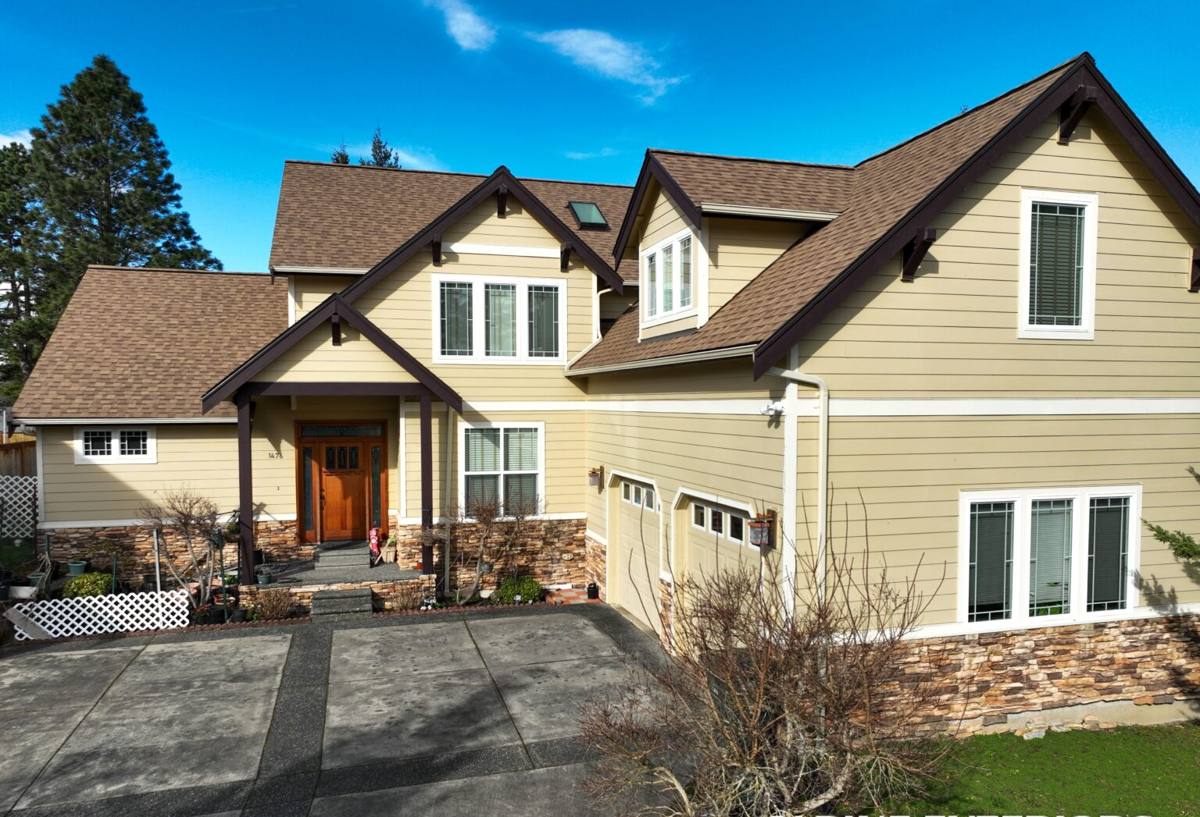
Signs Your Current Windows Are Losing the Battle
Coastal wear often shows up gradually, then all at once. Before you commit to full replacement, it's worth knowing what to actually look for:
- Fogging or a milky haze between the panes of a double-pane window — the seal has failed and the gas fill is gone
- Soft, spongy, or discolored wood at the sill or lower corners of the frame
- Visible moss, algae, or black staining on the sill, tracks, or exterior trim
- Windows that stick, won't latch fully, or have been painted shut over the years
- A noticeable draft or cold spot near the frame on windy days
- Rusted or seized hardware — locks, cranks, or hinges that no longer move smoothly
- Condensation forming on the inside of the glass regularly, even when the room isn't especially humid
Any one of these on its own might just need a repair or a reseal. Several of them together, especially rot at the sill or frame corners, usually means the window and the flashing behind it need to come out.
What a Correct Installation Actually Involves
A window installation is really a small waterproofing project with a window in the middle of it. In a coastal setting like Birch Bay, a few steps matter more than they would elsewhere:
Checking What's Behind the Old Window First
Before a new window goes in, the opening gets inspected for hidden water damage — soft sheathing, rotted framing, or a weather-resistant barrier that's torn or improperly lapped. This is common enough near the coast that we treat it as a standard step, not an upsell. Installing a new window over damaged framing just hides the problem until it fails again.
Sill Pan Flashing
A sloped sill pan under the window directs any water that gets past the glass or the exterior seal back outside instead of into the wall cavity. On a site exposed to driving rain, this one detail does more long-term work than almost anything else in the installation.
Proper Integration With the Weather-Resistant Barrier
Flashing tape and the house wrap or building paper need to be layered correctly — upper flanges lapped over the barrier, lower flanges lapped under it — so water sheds down and out rather than getting trapped behind the window. This is easy to get wrong and hard to inspect once the trim goes back on, which is exactly why it has to be done right the first time.
Corrosion-Resistant Fasteners and Hardware
Standard fasteners can start showing rust streaks within a couple of seasons this close to salt water. Stainless steel or coated fasteners cost a little more up front and save a callback later.
Choosing a Frame and Glass That Hold Up Here
There isn't one "correct" window for every Birch Bay home — it depends on the home's exposure, style, and budget. But some materials simply tolerate salt air and moisture better than others.
| Frame Material | Coastal Performance | Trade-Offs to Know |
|---|---|---|
| Vinyl | Won't rust or corrode; handles moisture well | Lower cost ceiling on color/finish options; quality varies a lot by manufacturer |
| Fiberglass | Very stable in temperature swings and salt air; strong and low-maintenance | Higher upfront cost than vinyl |
| Wood, clad exterior | Warm look inside; exterior cladding protects the wood from weather | Any breach in the cladding lets moisture reach the wood underneath — needs good detailing and upkeep |
| Aluminum | Strong and slim sightlines | Conducts heat and cold, and is more prone to corrosion in salt air unless properly coated |
Glass Worth Considering
Dual-pane, gas-filled, low-E glass is the practical baseline for this climate — it cuts heat loss, reduces condensation risk, and helps manage the temperature swings that come with living near open water. Homes with more direct wind exposure sometimes benefit from a heavier-duty frame and reinforced glass package; we'll talk through whether that's worth it for your specific exposure rather than defaulting to the most expensive option.
Full-Frame Replacement vs. Insert Replacement
There are two basic approaches to replacing a window, and which one applies depends on the condition of what's already there.
Insert (pocket) replacement fits a new window into the existing frame, leaving the surrounding trim and siding undisturbed. It's faster and less invasive, and it's a reasonable option when the existing frame is still sound and dry.
Full-frame replacement removes the window down to the rough opening, including the old frame. It takes more labor but is the only real option when there's rot, water damage, or flashing that needs to be redone — which, given Birch Bay's exposure, is more common here than it is a few miles inland. Trying to save money with an insert replacement over a compromised frame just repeats the underlying problem in a few years.
We'll tell you honestly which situation you're in once the old window is out and we can see the framing — not before.
Our Process, Start to Finish
- On-site assessment: we look at each window's exposure, current condition, and any signs of water intrusion before recommending anything
- Product selection: we walk through frame material and glass options based on your home's exposure and budget, not a one-size-fits-all package
- Removal: old windows come out carefully, and we check the framing and sheathing underneath before moving forward
- Repair as needed: any soft or damaged framing gets addressed before the new window goes in — this isn't optional near the water
- Flashing and installation: sill pan, weather-resistant barrier integration, and corrosion-resistant fasteners, installed to shed water outward
- Insulation and sealing: gaps around the frame get properly insulated and sealed, inside and out
- Trim and cleanup: interior and exterior trim finished, job site cleaned, and old windows hauled away
What Affects the Cost
Every home and window count is different, so we won't quote a number without seeing the job, but these are the factors that move price up or down:
| Factor | Why It Matters |
|---|---|
| Insert vs. full-frame replacement | Full-frame takes more labor and materials, especially with framing repair involved |
| Frame material | Vinyl, fiberglass, and clad-wood sit at different price points |
| Glass package | Standard dual-pane low-E vs. upgraded impact or reinforced glass |
| Number and size of windows | Larger openings and picture windows cost more than standard sizes |
| Condition of the existing opening | Hidden rot or water damage adds repair time before installation can proceed |
| Access and height | Second-story or hard-to-reach windows take longer to work safely |
Why It Helps to Hire a Crew That Already Works Birch Bay
Window installation isn't exotic work, but doing it well in a place like Birch Bay means understanding how the local exposure actually behaves — which sides of a house take the worst wind-driven rain, how fast moss builds up on a shaded sill, and where salt air tends to attack hardware first. A crew that works this stretch of Whatcom County regularly has already seen how different frame materials and flashing details hold up here over time, not just on paper. That experience shows up in fewer callbacks and windows that are still performing well well past the first few winters.
It also matters for the mundane stuff: knowing the permitting expectations for the area, showing up when scheduled, and standing behind the work if something needs attention after the fact. For a home this close to the water, that follow-through is worth as much as the installation itself.
Get a Straightforward Estimate
If your windows are showing their age — or you're just tired of fighting drafts, fog, and sticky tracks every winter — we're happy to take a look and give you an honest read on what your home actually needs. The estimate is free, there's no pressure, and you'll get a clear answer on whether you need a full replacement, a few windows addressed now, or something simpler. Use the form below to get started.