 Bellingham Siding
 Metal Roofing Built for the Barkley Area's Weather
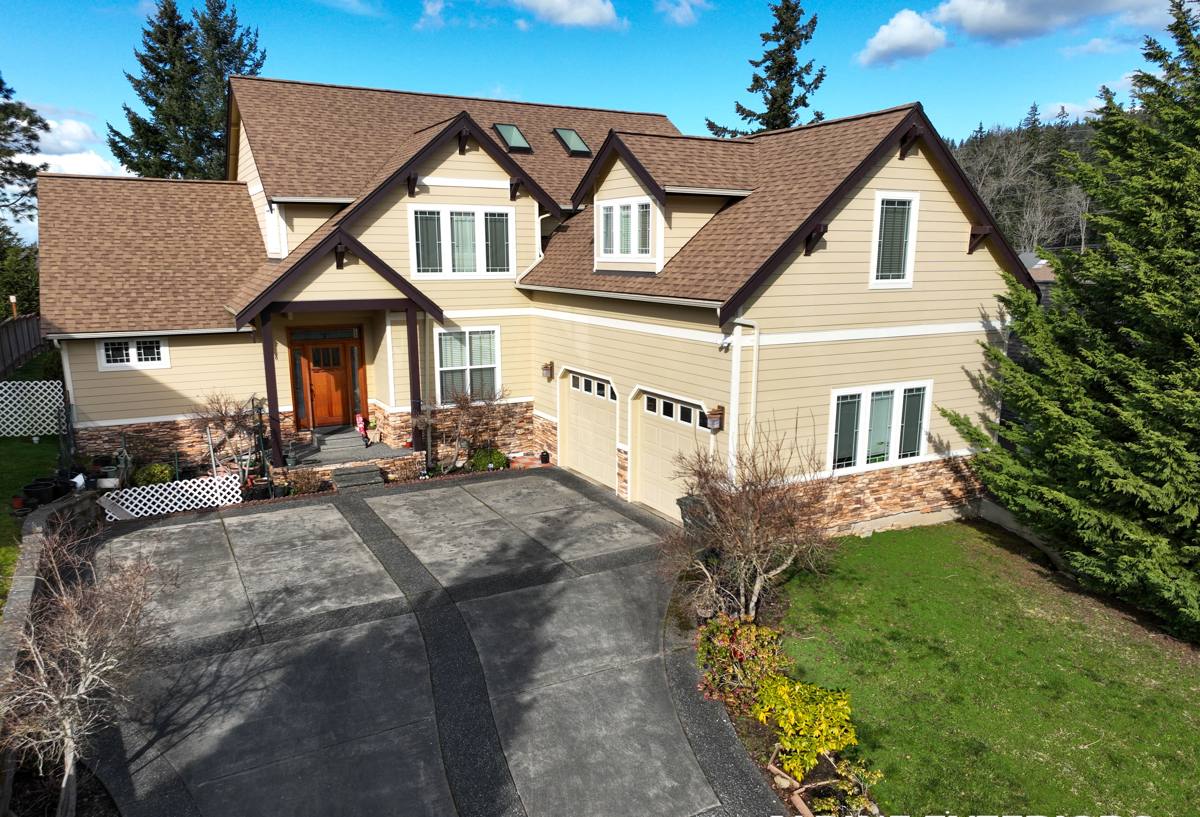
Homes in and around Barkley sit close enough to Bellingham Bay and the Salish Sea that salt-laden air, wind-driven rain, and long stretches of damp shade all show up on a roof faster than they would inland. A roof here isn't just shedding water for a few storms a year — it's dealing with near-constant moisture from fall through spring, plus the corrosive edge that coastal air brings to metal fasteners and flashing. Metal roofing, installed correctly with the right coatings and details, handles that combination better than most other roofing materials available today. This page covers what that actually means for a Barkley home specifically, not metal roofing in general.
What Salt Air, Rain, and Moss Do to a Roof Here
Three things define roofing conditions in this part of Whatcom County, and each one matters for how a metal roof should be specified and installed.
Salt air. Proximity to the water means airborne salt settles on exposed metal — fasteners, flashing, panel edges — and accelerates corrosion if the base metal, coating, and hardware aren't matched correctly. This isn't unique to Barkley, but it's a real factor for any home within a few miles of the bay, and it's why we don't treat every metal roof job the same way regardless of location.
Driving rain. Bellingham's rain rarely falls straight down. Wind off the water pushes it sideways and up under laps, ridges, and penetrations that would stay dry in a calmer climate. A roof system built for this area needs underlayment and flashing details that assume water will find its way to places gravity alone wouldn't take it.
Moss and shade. Many lots in and around Barkley carry mature tree cover, and the region's long wet season gives moss and algae months to establish themselves on any roof surface that stays damp and shaded. Moss holds moisture against a roofing material, and on some materials that moisture retention shortens the roof's life considerably. Metal doesn't feed moss growth the way organic-surfaced materials do, which is one of the practical reasons homeowners here look at it.
Metal Roofing Options We Install
"Metal roofing" covers more than one product, and the right choice depends on the home's roofline, budget, and how visible the roof is from the street. We install a small number of systems well rather than a long list of products we don't fully stand behind.
| System | How It's Fastened | Best Fit |
|---|---|---|
| Standing seam | Concealed clips, no exposed fasteners on the panel field | Homes wanting the longest maintenance-free lifespan and a clean, modern look |
| Exposed-fastener panel | Screws driven through the panel face into decking or purlins | Budget-conscious projects, outbuildings, and roofs with simpler lines |
| Stone-coated steel | Interlocking panels, concealed fastening | Homeowners who want the profile of shingle or shake without the maintenance |
Standing seam is generally our first recommendation for full home roofs in this area because it has no field fasteners for salt air and driving rain to work against over time. Exposed-fastener systems cost less up front but rely on gasketed screws that need periodic inspection and eventual replacement — a real maintenance item, not a defect, but one worth knowing about before you choose it. We'll walk through the honest trade-offs of each option for your specific roof rather than steering everyone toward the same product.
What a Correct Metal Roof Installation Actually Involves
Underlayment and Ice/Water Protection
Because wind-driven rain is a fact of life here, we use a high-temperature synthetic or self-adhered underlayment across the full roof, with extra protection at eaves, valleys, and any low-slope transitions. This is the layer that catches whatever gets past the panels themselves during a hard blow off the water — skipping or skimping on it is one of the most common shortcuts that leads to hidden leaks years later.
Flashing and Penetrations
Chimneys, vents, skylights, and wall-to-roof transitions are where most roof leaks actually start, metal or otherwise. Every penetration gets purpose-built flashing detailed for that specific location, not a generic boot or a bead of sealant standing in for proper metalwork. Sealant fails; correctly lapped and formed flashing doesn't depend on it.
Fasteners, Coatings, and Panel Material
Given the salt air factor, we match fastener and flashing metal to the panel material to avoid galvanic corrosion — mixing incompatible metals is a slow but real problem near the coast. We also pay attention to coating quality on the panels themselves, since a thin or inconsistent finish will show wear faster in this climate than it would in a drier region.
Ventilation
A metal roof over an unventilated or poorly ventilated attic can trap moisture underneath it, which defeats much of the point of choosing a durable, moisture-resistant material in the first place. We check and correct intake and exhaust ventilation as part of the job, not as an upsell after the fact.
Signs a Barkley Home May Be Ready for a Metal Roof
- Your current roof is showing granule loss, curling, or moss buildup that keeps coming back after cleaning
- You've had leaks around chimneys, vents, or valleys more than once
- You're planning to stay in the home long-term and want to stop thinking about roof replacement
- Tree cover keeps large sections of the roof shaded and damp for much of the year
- You want a roofing material that holds up to wind gusts off the bay without lifting or losing pieces
- You're doing a larger exterior update and want the roofline to match a cleaner, more modern look
How Our Process Works
We start with an on-site look at the existing roof — deck condition, current flashing, ventilation, and any problem areas the homeowner already knows about. From there we give a written estimate that spells out the system, underlayment, flashing approach, and timeline, so there's no guessing about what's included. Once a project is scheduled, we protect landscaping and gutters, tear off and dispose of the old roofing, address any deck repairs found underneath, install underlayment and flashing first, then the panel system itself. We do a final walkthrough with the homeowner before we consider the job finished, and we clean the site thoroughly — nails and metal scrap left behind are not acceptable on a roofing job.
Maintenance in a Wet, Wooded Climate
Metal roofing needs less maintenance than most materials, but "less" isn't "none," especially with the tree cover common around Barkley. A short annual routine keeps a metal roof performing the way it's supposed to for decades.
- Clear gutters and valleys of needles and debris each fall before the heavy rains set in
- Do a visual check after major windstorms for lifted panels, loose trim, or debris strikes
- Keep overhanging branches trimmed back to reduce shade, debris, and moss-friendly conditions
- On exposed-fastener systems, have fastener gaskets inspected every few years
- Avoid pressure washing the roof surface directly — it can strip coatings and force water under laps
What Affects the Cost
Every roof is different, but the main variables that move the price on a metal roofing project in this area are consistent enough to lay out honestly.
| Factor | Why It Matters |
|---|---|
| System type | Standing seam costs more than exposed-fastener panel, largely due to labor and material |
| Roof complexity | Valleys, dormers, and multiple roof planes add flashing work and labor time |
| Deck condition | Rot or damage found under old roofing adds repair cost before new roofing goes on |
| Tear-off scope | Removing existing roofing versus installing over an approved existing surface |
| Ventilation upgrades | Correcting inadequate attic ventilation adds cost but protects the new roof's lifespan |
We don't quote a per-square number over the phone without seeing the roof, because the variables above genuinely change the price — but we'll always explain what's driving the number on your specific estimate.
Why a Crew That Already Works in Barkley Matters
A roofing crew that regularly works in and around Bellingham knows what this climate does to a roof over five, ten, and twenty years — not just what a manufacturer's spec sheet says in ideal conditions. That familiarity shows up in small decisions: which flashing details hold up to the wind patterns off the bay, how much ventilation a typical attic here actually needs, and which shortcuts tend to fail first in wet, wooded neighborhoods like this one. It also means we're a known, reachable crew if you ever have a question about the roof years after installation — not a name from a national ad that's moved on to the next city.
If you're weighing metal roofing for a home in the Barkley area, we're happy to take a look and give you a straightforward, no-pressure estimate — use the form below to get started.