 Bellingham Siding
 Metal Roofing Built for Birch Bay's Coastline, Not a Generic Climate
Birch Bay homes deal with a different set of conditions than a house a few miles inland in Bellingham. Being right on the water in Whatcom County means salt-laden air moving across roofs almost constantly, wind-driven rain that finds every weak seam, and a moss season that runs long and heavy thanks to shade, moisture, and mild temperatures. A metal roof can handle all of that extremely well — but only when the panel type, coatings, fasteners, and flashing details are chosen and installed with this specific exposure in mind. A metal roof spec'd for a dry inland climate is not the same job as one spec'd for a shoreline lot in Birch Bay, and treating them the same is where problems start.
This page is about that one job, done right, in this one place: what Birch Bay's climate actually demands from a metal roof, what a correct installation looks like, and how we approach the work when we're on your roof.
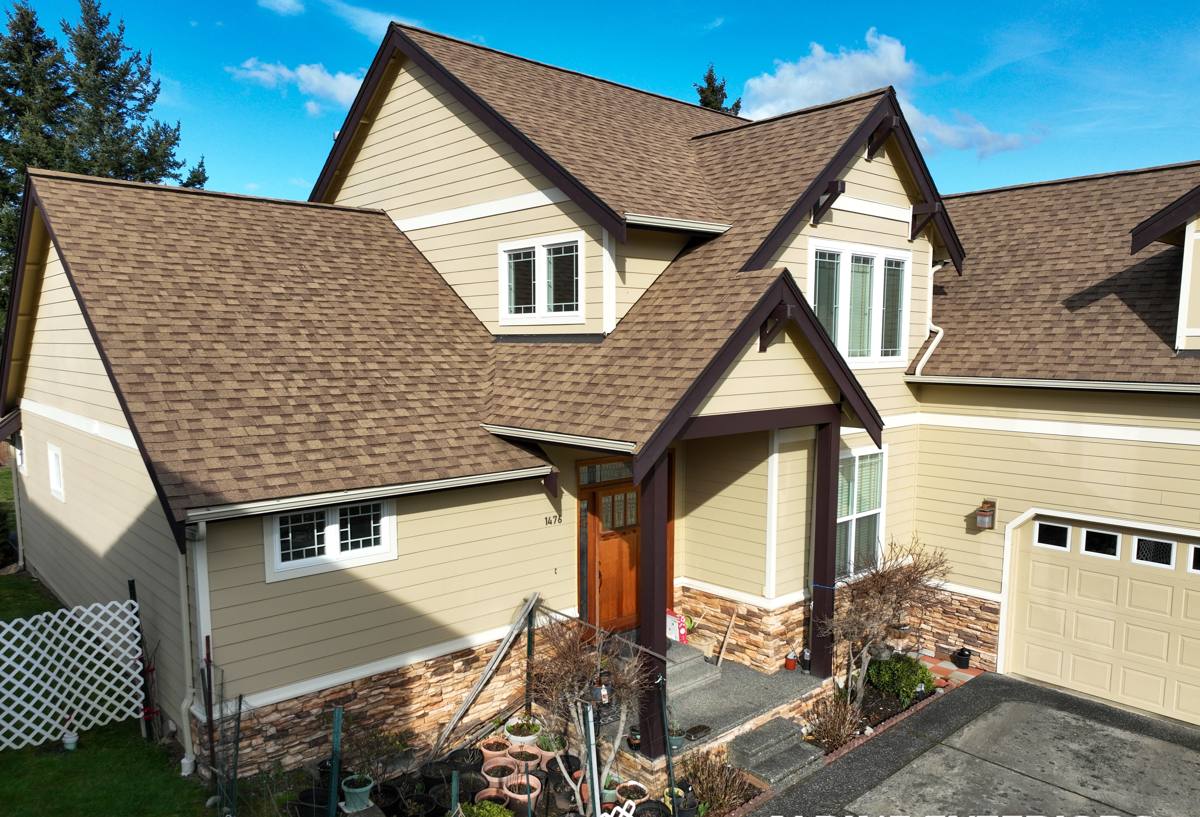
What Salt Air, Driving Rain, and Moss Actually Do to a Roof Here
Salt Air and Corrosion
Airborne salt is corrosive to unprotected or poorly coated metal, and it doesn't need direct ocean spray to do damage — it travels on the wind. Over years, salt exposure accelerates rust at cut edges, fastener heads, and any spot where a coating has been scratched or worn thin during installation. This is why the coating system on a metal roof matters just as much as the base metal itself in a location like Birch Bay.
Driving Rain and Wind-Driven Water
Storms coming off the water push rain sideways, not straight down. That means water gets tested at every seam, lap, and penetration on the roof — vents, chimneys, valleys, and wall-to-roof transitions. A roof that would shed water fine in a calm rain can leak in a wind-driven storm if the underlayment, flashing, and panel overlaps weren't detailed for lateral water pressure.
Moss and Sustained Moisture
Shaded roof sections and north-facing slopes in this part of Whatcom County stay damp for long stretches, which is exactly what moss needs to take hold. Moss itself doesn't rot metal the way it can degrade asphalt shingles, but it does hold moisture against the roof surface, contributes to debris buildup in valleys and around fasteners, and can lift or trap water at panel laps if it's allowed to grow unchecked for years.
Choosing the Right Metal Roofing System for a Birch Bay Home
Not all metal roofing is built the same, and the differences matter more on a coastal lot than they do inland. The table below is a general comparison — the right choice for your home still depends on your roof's slope, exposure, and existing structure.
| System | Coastal Suitability | Maintenance Load | Typical Lifespan |
|---|---|---|---|
| Standing seam (concealed fastener) | Best fit for direct salt exposure — no exposed fasteners to corrode over time | Low | 40-60+ years |
| Exposed-fastener metal panel | Workable with quality gasketed fasteners and regular checks, but fasteners are the weak point near salt air | Moderate — fastener inspection needed | 25-40 years |
| Stone-coated steel roofing | Good option where a shingle-style look is wanted; coating protects the steel core | Low to moderate | 30-50 years |
For most Birch Bay homes with direct or near-direct water exposure, we lean toward standing seam systems because there are no exposed fastener heads for salt air to attack. That said, an exposed-fastener panel installed correctly with the right fastener spec and gaskets is a legitimate, more budget-friendly option for homes set back from the water or shielded by trees and terrain — we'll tell you honestly which situation yours is.
Coating and Finish Matters as Much as Panel Style
Whatever panel profile you choose, the paint/coating system is what stands between the metal and the salt air over the long run. We favor factory-applied coatings designed for coastal or marine-adjacent exposure rather than economy finishes, because recoating or repainting a roof after coating failure is far more disruptive and costly than paying for the right coating up front.
What a Correct Metal Roof Installation Actually Involves
The panels themselves are only part of the job. On a coastal roof, the details underneath and around the panels are what determine whether it performs for decades or starts leaking in five years.
- Underlayment: A high-temperature, self-adhered synthetic underlayment rated for the wind-driven rain conditions common to shoreline properties, not a builder-grade felt.
- Fasteners: Corrosion-resistant fasteners matched to the panel metal — mixing incompatible metals accelerates corrosion through galvanic reaction, which is a real risk if a crew isn't paying attention to material compatibility.
- Flashing details: Properly formed and lapped flashing at valleys, chimneys, skylights, and wall transitions, sealed and sequenced so water sheds over every layer below it rather than behind it.
- Ventilation: Adequate intake and exhaust airflow so moisture doesn't get trapped under the deck, which matters even more in a consistently damp, moss-prone climate.
- Panel overlap and seam sealing: Overlaps and seams sized and sealed for lateral, wind-driven water rather than just gravity drainage.
Skipping or shortcutting any one of these items is usually invisible on installation day and painfully visible during the next big coastal storm.
Our Process, From Estimate to Finished Roof
1. On-Site Assessment
We walk the roof and the property, note slope, exposure direction relative to the water, existing ventilation, and any moss or moisture damage already present, and take photos of anything that affects the scope.
2. Honest Recommendation
We'll tell you which system fits your home's exposure and budget, and we'll explain the trade-offs plainly — including situations where a metal roof may not be the right call for your structure, or where a simpler exposed-fastener system is genuinely adequate rather than upselling you into standing seam you don't need.
3. Written Estimate
You get a clear, itemized estimate covering materials, underlayment, flashing, and labor — no vague allowances that turn into surprise change orders.
4. Tear-Off and Deck Inspection
Old roofing comes off and we inspect the deck underneath for rot or moisture damage before anything new goes down — a step that matters even more on homes that have carried moss and trapped moisture for years.
5. Installation
Underlayment, flashing, and panels go in per the manufacturer's spec and our own coastal-exposure standards, with attention to the details listed above rather than just "getting panels on."
6. Final Walkthrough
We walk the finished roof with you, review the work, and go over any maintenance expectations specific to your property before we consider the job done.
What Ongoing Maintenance Looks Like in This Climate
A well-installed metal roof in Birch Bay needs less maintenance than most roofing types, but "less" isn't "none" given the local conditions. Homeowners here should expect to:
- Clear moss and organic debris from valleys and low-slope sections at least once a year, more often on heavily shaded roofs.
- Keep gutters and downspouts clear so water isn't backing up against roof edges during driving rain.
- Have fastener heads and seams checked periodically on exposed-fastener systems, since that's where salt-air corrosion shows up first.
- Trim back overhanging branches where practical, since shade and leaf litter are what feed moss growth in the first place.
- Watch for any coating chips or scratches after storms or debris impact, and get them addressed before rust can start.
None of this is heavy work, but skipping it is how a roof that should last decades starts showing coastal wear early.
Why Local Experience in Birch Bay Matters
A contractor who mostly works drier, inland jobs can still install a metal roof competently on paper — but coastal work has a learning curve that shows up in the small decisions: which coating actually holds up to this specific salt exposure, how much overlap is really needed for wind-driven rain off the water, where moss tends to establish first on a given roof orientation, and which flashing sequences hold up after a few winters of Whatcom County storms. Crews that regularly work Birch Bay and similar shoreline areas make those calls from experience, not a generic manual. That's the difference between a roof that looks right on installation day and one that's still performing exactly as it should years later.
Cost Factors to Expect
Every roof is different, but the main drivers of cost on a Birch Bay metal roofing project are generally the same:
| Factor | Why It Affects Cost |
|---|---|
| Panel system chosen | Standing seam typically costs more upfront than exposed-fastener panel, reflecting material and labor differences |
| Roof complexity | Valleys, dormers, and multiple penetrations require more flashing work and labor time |
| Deck condition | Rot or moisture damage found during tear-off adds repair work before new roofing goes on |
| Coating/finish level | Marine-grade or premium coatings cost more than standard finishes but hold up better to salt air |
| Access and site conditions | Steep slopes, limited access, or tall structures affect labor and equipment needs |
We'll walk through these factors specific to your home during the estimate so you know exactly what you're paying for and why.
Ready for a Straight Answer on Your Roof?
If you're dealing with moss buildup, an aging roof, or you're simply planning ahead for a home that sits close to the water in Birch Bay, we're happy to take a look and give you an honest read on your options. There's no pressure and no charge for the estimate — just a clear picture of what your roof needs and what it would take to do the job right. Use the form below to request your free estimate.