 Bellingham Siding
 Why Birch Bay Siding Takes a Harder Hit Than Most of Whatcom County
Birch Bay sits right on the water, and that changes what a wall assembly has to survive. A home a few miles inland in Bellingham deals with plenty of rain, but a home in Birch Bay deals with rain riding in sideways on wind off the Strait of Georgia, plus a steady dose of salt-laden air that settles on every exterior surface, fastener, and trim joint. Add the Pacific Northwest's long stretch of gray, damp months and you get a third factor: moss and algae that find a foothold anywhere siding stays wet and shaded for weeks at a time. None of these things are exotic problems — they're just constant, and constant is what wears siding out early.
Installing siding correctly here isn't about picking a tougher-looking product. It's about understanding how salt, wind-driven moisture, and moss pressure interact with a wall system over years, and building that system so it sheds water instead of trapping it.
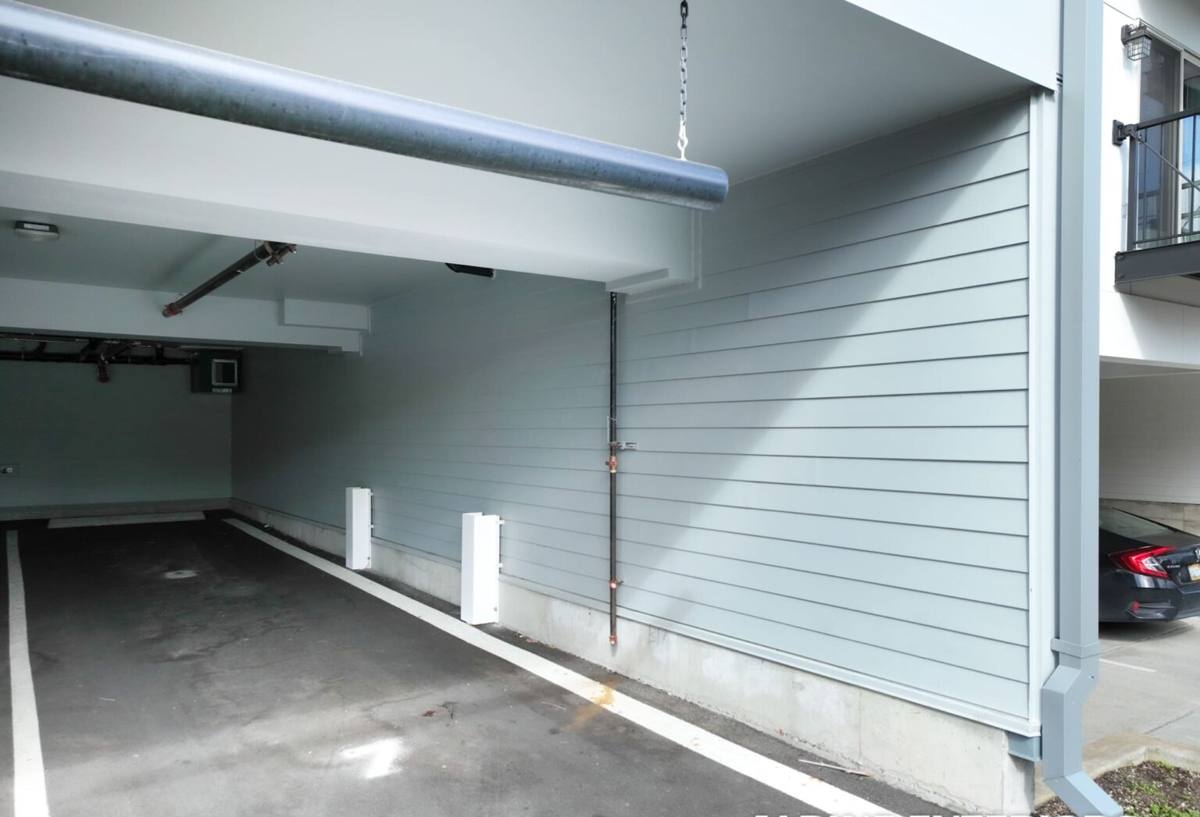
What Salt Air Actually Does to a Wall System
Fasteners and metal components
Salt air accelerates corrosion on anything metal — nail heads, flashing, screws, even some trim fasteners that would hold up fine twenty miles inland. Once a fastener starts to corrode, it can telegraph rust streaks through paint, lose holding strength, or create a small gap where water gets behind the siding. Coastal installations need corrosion-resistant fastener specs from the start, not as an upgrade.
Caulking and factory finishes
Salt exposure also breaks down lower-quality caulks and paint films faster than a standard inland exterior schedule would predict. Siding with a weak or field-applied finish tends to show fading, chalking, or cracking at the coast years before it would elsewhere. A factory-cured finish that's engineered to resist UV and moisture cycling holds its color and seal far longer under this kind of exposure.
Moss Season and Moisture Management
Whatcom County's wet season runs long, and Birch Bay's tree cover and marine air keep humidity high even on days it isn't actively raining. Moss and algae need three things to establish: moisture, shade, and a surface they can grip. Rough or absorbent siding materials give them exactly that. Once moss takes hold at a butt joint or behind a downspout, it holds water against the wall around the clock — which is a much bigger problem than the moss itself.
Good siding installation fights this on two fronts: choosing a material that doesn't hold moisture the way wood-based products do, and detailing the installation so water never has a reason to linger — proper drainage gaps, correct lap dimensions, and flashing that actually directs water outward instead of behind the cladding.
What a Correct Siding Installation Includes
Water-resistive barrier and drainage plane
Every wall gets a continuous water-resistive barrier behind the siding, lapped correctly from the bottom up so water always drains down and out. In a high-wind-driven-rain area like Birch Bay, we also build in a drainage gap behind the siding so any moisture that does get past the cladding has somewhere to go besides sitting against the sheathing.
Flashing at every penetration
Windows, doors, hose bibs, light fixtures, vents — every penetration in the wall is a place water can get behind the siding if it isn't flashed correctly. This is where a lot of premature siding failure actually starts, and it's not something you can see once the siding is up. It has to be done right the first time.
Fastening and clearances to manufacturer spec
Fiber cement siding has specific nailing patterns, fastener embedment depths, and ground clearances that are part of keeping the manufacturer's warranty valid — and part of what actually keeps water out. Skipping or fudging these details is one of the most common ways a siding job looks fine at handoff and fails early.
Why We Install Only James Hardie Siding in Birch Bay
We standardized on James Hardie fiber cement siding for every home we work on, coastal or not, and Birch Bay is exactly the kind of environment that shows why. Hardie's HZ climate-engineered product lines are built to perform in specific moisture and temperature conditions, the ColorPlus finish is factory-baked rather than field-applied, and the material itself is fiber cement — it doesn't absorb and hold water the way wood-based siding does, which matters directly for moss and rot resistance. It's also non-combustible, which is a genuine, practical benefit regardless of exposure.
| Factor | James Hardie fiber cement | Vinyl siding | Wood-based siding (cedar, primed spruce, LP-type) |
|---|---|---|---|
| Moisture absorption | Very low — cement-based, resists swelling | None, but seams and panels can flex and let water behind | Higher — wood fiber absorbs moisture, feeds rot and moss |
| Salt air / coastal wear | Factory finish resists chalking and fading | Can become brittle and discolored over time | Finish breaks down faster; more frequent recoating needed |
| Moss and algae resistance | Smooth, dense surface is harder for moss to grip | Resists moss but seams trap grime | Textured, absorbent surface is prone to moss and mildew |
| Fire resistance | Non-combustible | Can melt or deform under heat | Combustible |
| Typical warranty structure | Long, transferable manufacturer warranty | Varies widely by product tier | Often shorter, or finish-only coverage |
We don't install vinyl, LP SmartSide, primed spruce, Cemplank, Allura, or cedar. Each of those products has its place in the market and its own loyal following, but given what we see coastal and Pacific Northwest exposure do to wood-based siding and lower-tier vinyl over time, we'd rather put one product on every home and stand behind it fully than offer several we have reservations about.
How Our Installation Process Works
- Walk and assessment — we look at wind exposure, roof lines, existing moisture damage, and any moss or algae patterns already showing on the home.
- Tear-off and sheathing check — old siding comes off and we inspect the sheathing underneath for rot or soft spots before anything new goes up.
- Water-resistive barrier and drainage gap — installed continuous and lapped correctly, with a drainage plane behind the cladding.
- Flashing — every window, door, and penetration flashed before siding closes it in.
- Hardie panel or lap installation — fastened to manufacturer spec with corrosion-resistant fasteners and correct clearances.
- Trim, caulking, and final detailing — joints sealed with a coastal-grade sealant, not whatever's cheapest.
- Walkthrough — we go over the finished exterior with you before calling the job done.
What Drives the Cost of a Birch Bay Siding Job
Every home is different, but the same handful of factors move the price up or down:
| Factor | Why it matters here |
|---|---|
| Extent of sheathing repair needed | Coastal and shaded homes sometimes have hidden moisture damage under old siding |
| Home size and wall complexity | More corners, dormers, and penetrations mean more flashing and labor time |
| Siding profile chosen | Lap, panel, and shingle-style Hardie products install differently and price differently |
| Access and site conditions | Waterfront lots, slopes, and tight setbacks affect staging and equipment |
| Existing trim and detail work | Matching or upgrading trim, fascia, and soffit adds scope beyond the field siding |
We give a firm number after seeing the home in person — not a phone estimate — because on a coastal property the difference between a straightforward re-side and one that needs sheathing repair first can be significant.
Maintaining Hardie Siding Through Birch Bay's Moss Season
James Hardie siding is low-maintenance compared to wood-based products, but "low-maintenance" doesn't mean "no maintenance" in a marine climate. A short annual routine keeps it performing the way it should:
- Rinse the exterior gently once or twice a year to clear salt residue and early moss growth — a garden hose is enough; avoid high-pressure washing directly at joints and seams.
- Keep gutters and downspouts clear so water isn't overflowing and running down the wall face.
- Trim back vegetation and tree limbs that keep any section of wall shaded and damp longer than the rest of the house.
- Check caulking at trim joints and penetrations every year or two, since sealant is usually the first thing to age out, well before the siding itself.
- Watch for any dark green or black staining at butt joints or under eaves — that's the earliest sign moss or mildew is starting to establish.
Why Hiring a Crew That Already Works in Birch Bay Matters
Siding installation isn't just a spec sheet — it's a series of judgment calls about flashing details, fastener choice, and drainage that a crew makes differently depending on what they've seen fail before. A contractor who's already worked coastal Whatcom County properties has seen where wind-driven rain actually gets in, how fast moss establishes on a shaded north wall near the water, and which details matter more here than they would twenty miles inland. That's not something a general remodeling crew picks up on a first job — it's built from repetition in this specific climate.
If you're planning a siding project for a home in Birch Bay, we're happy to walk the property, look at what your current siding is telling you, and put together a straightforward, no-pressure estimate for a James Hardie installation built for this coastline. Use the form below to get started.