 Bellingham Siding
 Birchwood Roofs Work Harder Than Most People Realize
Birchwood sits close enough to the water and the lowland weather patterns that roll through Bellingham that its roofs take on a specific combination of stresses: salt-tinged air off the Puget Sound corridor, long stretches of driving rain, and shaded, moisture-holding conditions that keep moss active for much of the year. None of these on their own is unusual for Whatcom County. Together, on the same roof, year after year, they shorten the life of a shingle system that wasn't installed with them in mind.
An asphalt shingle roof that looks fine from the street can still be losing ground where it counts — at the fasteners, the flashing, the underlayment, and the ventilation path through the attic. This page is about what a correctly built asphalt shingle roof for a Birchwood home actually requires, and how we approach that work.
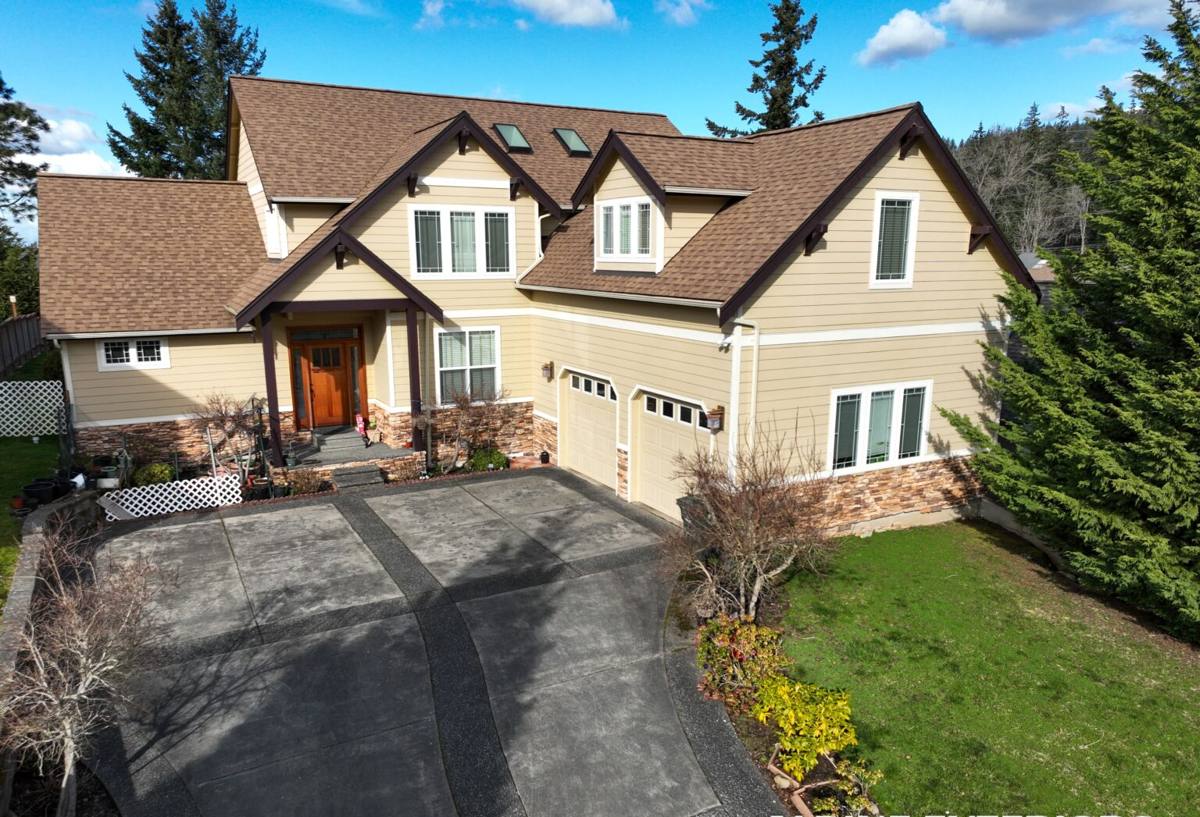
What Local Conditions Do to a Shingle Roof Over Time
Moss and Organic Growth
Birchwood's tree cover and the region's damp, mild winters create ideal conditions for moss. Moss doesn't just sit on top of shingles — it works its rhizoids into the granule surface, lifts shingle edges as it grows, and holds water against the roof deck long after the rain has stopped. Left unaddressed, that trapped moisture accelerates granule loss and can work its way under shingle tabs, especially at the eaves where moss tends to accumulate first.
Driving, Wind-Blown Rain
Bellingham storms rarely come straight down. Wind pushes rain sideways and up under shingle edges, which is exactly the scenario that separates a properly lapped, properly fastened roof from one that leaks. Valleys, sidewalls, and any place where a roof plane changes direction are where wind-driven rain finds weak installation work.
Salt Air and Metal Fatigue
Proximity to marine air means faster corrosion on unprotected metal — flashing, nail heads, vent stacks, and gutter hardware all age faster here than they would inland. A roofing system installed with the wrong grade of fasteners or flashing can show rust streaks and early metal failure well before the shingles themselves are due for replacement.
Choosing the Right Shingle for This Climate
Not every asphalt shingle product is built the same way, and the differences matter more in a marine, moss-prone climate than they do in a dry one. We generally steer Whatcom County homeowners toward algae-resistant, higher-grade architectural shingles rather than basic three-tab products, for reasons that come down to moisture behavior and long-term maintenance, not brand marketing.
| Shingle Type | Typical Lifespan Here | Moss/Algae Resistance | Best Fit |
|---|---|---|---|
| 3-Tab (standard) | Shorter, given local moisture exposure | Low unless treated | Budget-driven projects, secondary structures |
| Architectural / Laminate | Longer, better wind and impact performance | Better if algae-resistant granules specified | Most Birchwood homes |
| Algae-Resistant (AR) Granule Upgrade | Same base lifespan, slower cosmetic staining | Purpose-built for damp, shaded climates | Heavily treed or north-facing roof sections |
| Impact-Rated (Class 4) | Longer, added durability | Depends on granule spec | Homeowners prioritizing longevity and insurance considerations |
We don't push a specific manufacturer here — the right call depends on the home's exposure, tree cover, roof pitch, and the homeowner's budget and time horizon. What we do insist on is matching the granule and warranty spec to a climate that stays damp for months at a time, rather than defaulting to whatever is cheapest.
What a Correct Installation Actually Involves
A shingle roof is a system, not a single layer. Skipping or shortcutting any part of it is where most premature Birchwood roof failures start.
- Deck inspection and repair — soft, delaminated, or water-stained decking gets replaced before anything goes back on, not covered over.
- Ice and water shield at eaves, valleys, and roof-to-wall transitions — the areas most exposed to wind-driven rain and ice damming.
- Synthetic underlayment across the full roof deck as a secondary water barrier beneath the shingles.
- Corrosion-resistant flashing at all penetrations, valleys, and sidewalls, sized and lapped correctly rather than caulked as a substitute for proper metalwork.
- Correct nailing pattern per manufacturer spec — proper nail count, placement, and fastener length, not high or overdriven nails that void warranties and invite leaks.
- Balanced attic ventilation — intake at the eaves and exhaust at the ridge, sized to the attic's square footage, so trapped moisture and heat don't cook the underside of the shingles from below.
- Proper starter course and ridge cap installation, which is where a lot of wind-lift failures actually begin.
Any one of these done wrong can undercut an otherwise good shingle product. This is why we treat the tear-off and deck inspection as a real diagnostic step, not a formality on the way to the new shingles.
Our Process for a Birchwood Roofing Project
1. On-Site Inspection and Honest Assessment
We walk the roof and the attic, not just the ground-level view. That means checking for existing moss damage, soft decking, ventilation problems, and flashing condition before quoting anything.
2. Clear Scope and Materials Plan
You get a written scope covering shingle line, underlayment, flashing approach, and any deck repair — no vague "reroof" line item. If ventilation upgrades are needed, we explain why before the work starts, not after.
3. Careful Tear-Off and Deck Check
Full tear-off to bare decking so nothing is hidden. Any damaged sheathing is identified and repaired at this stage, with photos if the homeowner wants to see the condition underneath.
4. Installation to Manufacturer and Code Spec
Underlayment, ice and water shield, flashing, shingles, and ventilation components installed in the order and manner that keeps warranties intact and matches Whatcom County code requirements.
5. Site Cleanup and Final Walkthrough
Magnetic nail sweep, debris removal, and a walkthrough so you know what was done and what to watch for going forward.
Keeping Moss From Coming Back
A good installation reduces moss risk, but it doesn't eliminate the conditions that cause it — shade, moisture, and organic debris are part of living in this part of Whatcom County. A few things go a long way after the new roof is on:
- Keeping gutters and valleys clear of needles and leaf litter, which hold moisture against the shingle surface
- Trimming back overhanging branches where practical to increase sun exposure and airflow
- Zinc or copper control strips near the ridge, which release compounds that inhibit moss growth as rain washes over them
- Gentle, low-pressure moss removal rather than pressure washing, which strips granules and shortens shingle life
Signs Your Current Roof Needs Attention
- Moss buildup along the lower courses or in shaded valleys
- Granules collecting in gutters or at downspout outlets
- Curling, cupping, or lifted shingle edges, especially on the side facing prevailing weather
- Rust staining below vent stacks or flashing points
- Daylight or water stains visible in the attic near the roof deck
- Shingles that are noticeably brittle or cracking when walked on
Any one of these on its own isn't necessarily an emergency, but a roof showing several at once is usually past the point where a repair alone solves the underlying problem.
What Affects the Cost of a Birchwood Roofing Project
| Factor | Why It Matters |
|---|---|
| Roof size and pitch | More surface area and steeper pitches increase material and labor time |
| Number of layers to remove | Tear-off of multiple existing layers adds disposal and labor cost |
| Deck condition | Rotted or delaminated sheathing requires repair before new shingles go on |
| Shingle grade selected | Algae-resistant and impact-rated products cost more upfront but reduce maintenance |
| Valleys, dormers, and penetrations | More flashing detail work means more labor and material |
| Ventilation upgrades | Adding proper intake/exhaust venting is an investment that protects the new roof |
We don't quote a flat per-square rate without seeing the roof — pitch, access, and existing damage change the number too much for that to be honest. What we can tell you is that the cheapest bid usually gets there by cutting one of the items in the installation checklist above, which tends to show up as a problem within a few wet seasons.
Why Local Roofing Experience Matters in Birchwood
A crew that works Birchwood and the surrounding Bellingham neighborhoods regularly knows how this specific mix of tree cover, marine air, and rainfall pattern behaves on a roof over time — not in theory, but from having reworked roofs that were installed without accounting for it. That shows up in small decisions: which flashing metal holds up to the salt air, how much ventilation an attic actually needs given the shade around it, and where moss tends to start on a given roof orientation. It also means we're a known, reachable local business if a question comes up after the job is done, not a crew that worked the area once and moved on.
If your Birchwood home's roof is showing moss, aging shingles, or you're simply planning ahead, we're happy to take a look and give you a straightforward, no-pressure estimate — just fill out the form below.