 Bellingham Siding
 Deck Repair Built for Birchwood's Weather
Decks in the Birchwood area of Bellingham take a different kind of beating than decks in drier parts of the country. Between the marine air coming off the Salish Sea, long stretches of driving rain through fall and winter, and a moss and algae season that can run eight months or more, wood and fasteners here age faster than most homeowners expect. A deck that looks fine from the kitchen window can have soft framing, corroded connectors, or a ledger board slowly pulling away from the house — problems that don't show up until someone steps on the wrong board.
We repair decks in Birchwood and the surrounding Bellingham neighborhoods because we understand what Whatcom County's climate does to outdoor structures over time. This page covers what actually causes deck damage here, what a correct repair looks like, and how we decide between fixing what you have and recommending something more.
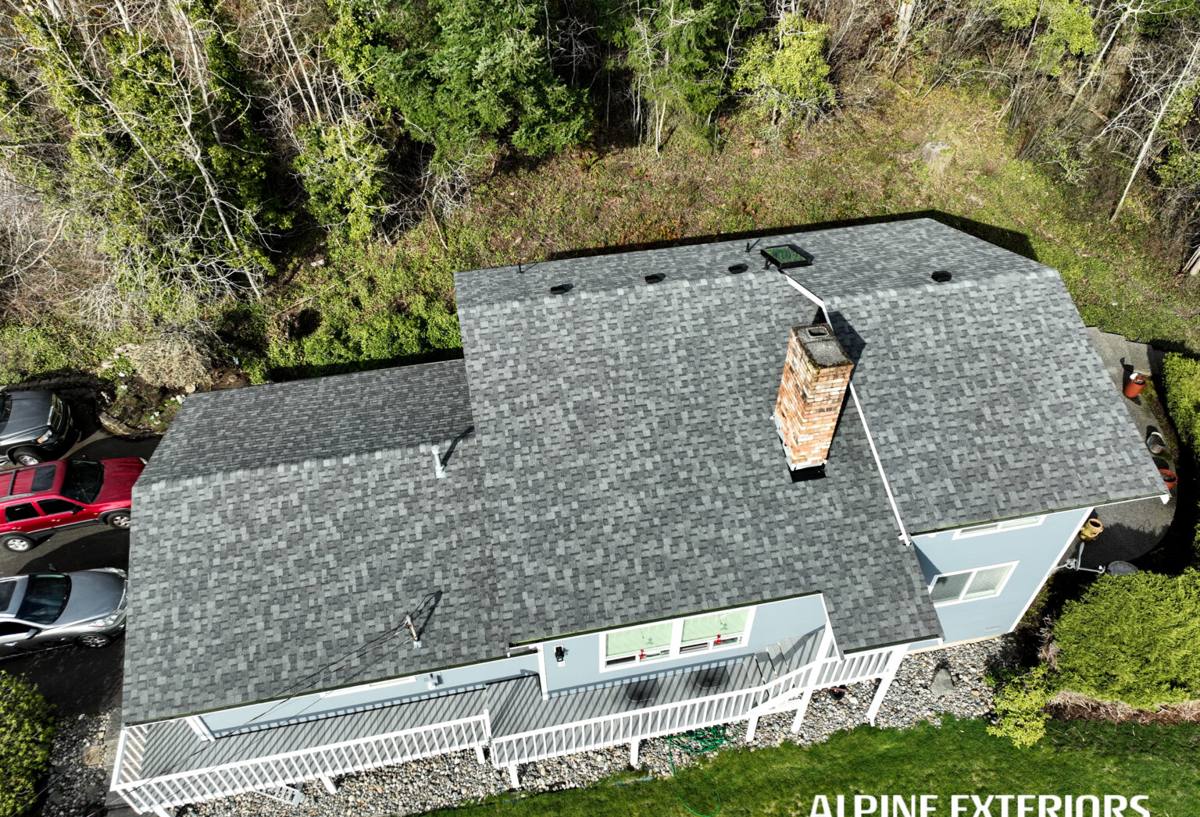
Why Local Climate Matters for Deck Repair
Salt-tinged air, near-constant moisture in the cooler months, and shaded, moss-prone conditions under mature trees are the three biggest factors working against decks in this part of Bellingham. None of them are dramatic on their own, but together they accelerate the two things that actually fail on a deck: wood fiber and metal fasteners.
- Driving rain gets pushed sideways into gaps, joints, and end grain by wind coming off the water, soaking areas a straight-down rain wouldn't reach.
- Salt air speeds up corrosion on nails, screws, joist hangers, and bolts — especially fasteners that weren't rated for coastal exposure to begin with.
- Moss and algae hold moisture against the deck surface long after the rain stops, which softens wood fibers and makes boards slicker and more slippery underfoot.
A deck built or repaired without accounting for these three things tends to fail in predictable spots: near the ledger board, at fastener heads, on shaded north-facing sections, and anywhere water can pool instead of drain.
Signs a Birchwood Deck Needs Repair
Surface and Board Issues
Cupped, splintering, or soft boards are usually the first visible sign of trouble. Press a screwdriver into the wood along the edges and around fastener heads — if it sinks in easily, moisture has already broken down the fibers. Gray, weathered wood on top doesn't always mean the board underneath is bad, but consistent softness does.
Structural and Framing Issues
These are harder to spot but more serious. A deck that feels bouncier than it used to, railings that wiggle at the post, or gaps opening up where the ledger board meets the house all point to framing problems. Rust streaking down from joist hangers or bolts is a sign the connectors themselves are corroding, which is a bigger concern than a bad board because it affects the deck's structural integrity.
Railing and Stair Issues
Loose railings and stair stringers get overlooked because they're often still usable, just not solid. In a wet climate, loose connections let water into the joint faster, which turns a simple tightening job into a rot repair if it sits too long.
What a Correct Repair Involves
A quick fix and a correct repair often look similar on the surface but behave very differently a year or two later. The difference usually comes down to whether the underlying cause of the damage was addressed, not just the symptom.
| Symptom | Likely Cause in This Climate | What a Correct Repair Addresses |
|---|---|---|
| Soft or spongy boards near the house | Ledger board flashing failure letting water behind the siding | Remove affected boards, inspect and correct flashing, replace framing if compromised |
| Rust stains below joist hangers | Non-coastal-rated fasteners corroding in salt air | Replace with stainless or hot-dip galvanized hardware rated for this environment |
| Slick, dark green surface | Moss and algae holding moisture against boards | Clean, treat, and correct drainage or shade issues where possible, not just pressure wash |
| Railing post wobbles | Loosened or corroded lag bolts, possible post rot at the base | Inspect post base, replace hardware, sister or replace post if wood is compromised |
| Standing water on the deck surface | Boards installed too tight or without proper slope | Re-space boards, correct slope where feasible, improve drainage beneath the deck |
Swapping a rotten board for a new one without checking why it rotted is the most common shortcut we see — and the most common reason a "repaired" deck has the same problem again within a couple of seasons.
Common Repairs We Handle
Most of the repair work we do in Birchwood falls into a handful of categories:
- Board replacement — swapping individual decking boards showing rot, splitting, or persistent softness
- Ledger board and flashing repair — the connection point between deck and house, and the single most common source of hidden water damage
- Joist and framing repair — sistering or replacing joists, beams, or posts weakened by moisture
- Railing and guard repair — tightening, reinforcing, or rebuilding railings so they meet basic safety expectations
- Stair repair — stringers, treads, and connections that see heavy foot traffic and constant weather exposure
- Fastener upgrades — replacing corroded nails, screws, or hangers with hardware rated for coastal, wet-climate use
- Surface cleaning and refinishing — removing moss and algae buildup and reapplying protective finish where the wood is still sound
Repair vs. Replacement: How We Decide
Not every deck needs to be torn out and rebuilt, and we don't default to recommending replacement just because a deck has visible age. The decision usually comes down to how much of the structure — not just the surface — is still sound.
| Factor | Repair Usually Makes Sense | Replacement Usually Makes Sense |
|---|---|---|
| Framing condition | Joists and beams are solid, damage is isolated to a few boards | Multiple joists or the ledger connection are compromised |
| Age of the deck | Deck is under 15-20 years old and was built reasonably well | Deck is older and shows widespread wear across most components |
| Extent of damage | Problems are localized to specific boards or connections | Rot or corrosion shows up in multiple, unrelated areas |
| Original construction | Original build followed sound practices for drainage and flashing | Original build has recurring design flaws causing repeat damage |
We'll always tell you honestly which category your deck falls into, including when a repair is the right call even if a full rebuild would be more profitable for us. A repair that's done correctly can reasonably extend a deck's life by years.
Our Repair Process
- On-site inspection — we check the surface, framing, ledger connection, railings, and stairs, including areas that aren't visible from a casual walkthrough
- Honest assessment — we explain what we found, what's causing it, and whether repair or replacement is the more sensible path
- Written scope and estimate — a clear description of what will be repaired, with what materials, before any work starts
- Repair work — addressing the root cause, not just the visible damage, using fasteners and materials suited to this climate
- Final walkthrough — confirming the repair is solid and going over any maintenance recommendations specific to your deck's exposure
Materials and Fasteners for This Climate
What a repair is built with matters as much as the labor itself. In a marine climate with salt air and heavy seasonal rain, standard interior-grade hardware corrodes faster than it should, which is why we use stainless steel or hot-dip galvanized fasteners and connectors rated for coastal exposure rather than whatever is cheapest at the counter.
For decking material, pressure-treated lumber and composite decking both have a place, and the right choice depends on your existing deck, your budget, and how much upkeep you want to take on:
- Pressure-treated lumber costs less upfront, blends easily with existing wood decking, but needs periodic cleaning and refinishing to hold up against moss and moisture.
- Composite decking resists moss and moisture better and needs less maintenance, but costs more upfront and requires the substructure underneath to be sound, since composite boards don't hide framing problems the way new wood can.
We'll walk you through the trade-offs for your specific deck rather than pushing one material across the board.
Maintenance Checklist for Birchwood Homeowners
A little seasonal attention goes a long way toward avoiding a bigger repair down the road. Here's what we recommend checking a couple of times a year, especially heading into and out of the wet season:
- Clean moss and algae buildup off the deck surface before it has a chance to soften the wood underneath
- Check that water is draining off the deck and away from the house, not pooling on the surface or against the foundation
- Look at the ledger board area where the deck meets the house for gaps, staining, or soft wood
- Test railings and stair connections by hand for any looseness
- Watch for rust streaking near fasteners and joist hangers
- Keep gutters and downspouts near the deck clear so runoff isn't being dumped directly onto or under it
- Reapply sealant or finish on wood decking on the schedule recommended for the product, since coastal conditions wear it faster than average
Why Local Experience Matters
A crew that regularly works in Birchwood and the rest of Bellingham already knows where decks tend to fail in this climate — which framing spots take on water first, which fastener types hold up and which don't, and how much moss buildup is normal versus a sign of a drainage problem. That local pattern recognition means a faster, more accurate inspection and fewer surprises once repair work is underway. It also means we're realistic about seasonal timing, since some repairs are better scheduled around Whatcom County's wetter months rather than in the middle of them.
If you've noticed soft boards, a wobbly railing, or a deck that just doesn't feel as solid as it used to, we're happy to take a look. Reach out for a free, no-pressure estimate using the form below, and we'll give you an honest read on what your deck actually needs.