 Bellingham Siding
 Storm Damage Roof Repair in Birchwood
Birchwood homes take a different kind of beating than roofs further inland. Sitting close to Bellingham Bay means wind-driven rain comes in sideways during winter storms, salt-laden air works on metal fasteners and flashing year-round, and the tree cover that makes this part of Bellingham so livable also means moss, needles, and debris pile up on roofs faster than almost anywhere else in Whatcom County. When a windstorm rips through, or a heavy winter system dumps rain for days on end, the damage isn't always obvious from the ground. That's the problem we run into most often here: homeowners see a few missing shingles and assume that's the whole story, when the real damage is underneath.
This page covers what storm damage repair actually involves for a Birchwood roof, what a correct repair looks like, and why it matters to hire a crew that already knows how local weather patterns affect roofs in this specific area.
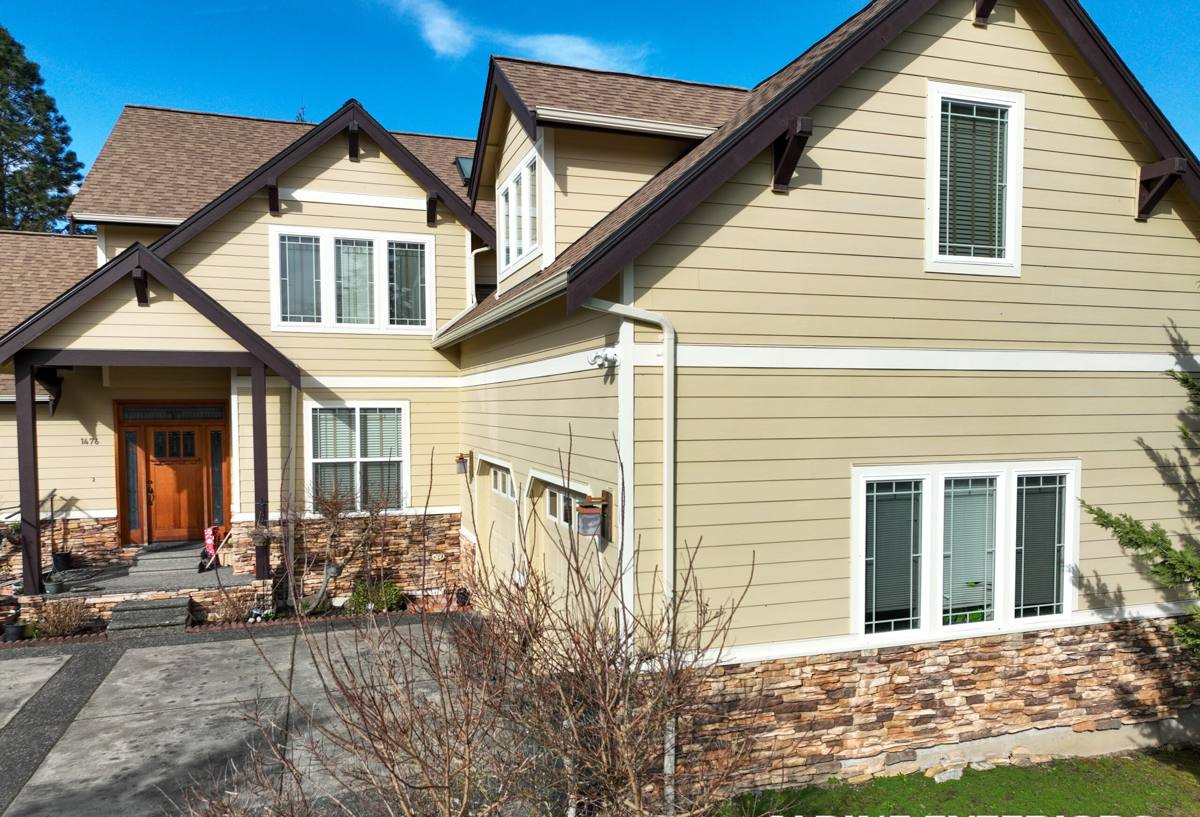
What Bellingham Storms Actually Do to a Roof
Most storm damage in this area isn't one dramatic event — it's usually a combination of things that show up together after a bad system passes through.
Wind
Gusts off the bay lift shingle edges and tabs, especially on older roofs where the adhesive strip has already weakened from age or heat cycling. Once a few tabs lift, wind gets underneath and works on the next row, and the damage spreads faster than most homeowners expect.
Wind-driven rain
Rain that's being pushed sideways doesn't behave like rain falling straight down. It gets pushed up under shingle laps, around flashing, and into any gap that a calm-weather roof would shed without issue. This is why a roof that's been fine for years can suddenly start leaking during one bad storm — the water finally found a path that wind pressure opened up.
Debris impact
Fir and cedar limbs coming down in a windstorm can crack shingles, dent metal flashing, or puncture underlayment without leaving a hole you'd notice from the ground. Smaller debris — twigs, cones, needles — collects in valleys and behind chimneys and dams up water during the next rain.
Prolonged saturation
Whatcom County doesn't just get storms — it gets long stretches of steady, soaking rain. A roof with minor storm damage that would be a non-issue in a drier climate becomes a real leak here, because the water has days or weeks of exposure to find its way through a compromised spot.
Signs of Storm Damage Worth Checking in Birchwood
Some of these are visible from the ground or a second-story window; others only show up once someone gets on the roof or into the attic.
- Shingles that are cracked, curled, creased, or missing entirely
- Granules collecting in gutters or at downspout outlets after a storm
- Bent, lifted, or missing flashing around chimneys, vents, and skylights
- Water stains on interior ceilings or upper walls, especially after wind-driven rain
- Sagging or soft spots in the roof deck when walked on
- Moss or standing debris concentrated in one area, which often signals a low spot or damaged drainage path
- Gutters pulling away from the fascia, which can happen when heavy, wet debris or ice adds sudden weight
None of these on their own always means a major problem. But after a significant storm, it's worth having someone who knows what they're looking for take a look before a small issue turns into a ceiling repair.
What a Correct Storm Damage Repair Involves
A repair that only addresses what's visible from the ground is usually an incomplete repair. Wind and rain damage tends to travel — water that entered near a chimney can track several feet before it shows up as a stain, and a missing shingle is often a symptom of adhesive failure on the shingles around it, not an isolated event.
A correct storm repair for a Birchwood roof typically includes:
- A full roof walk, not just an inspection from the ladder or ground, to check every plane for wind lift and impact damage
- Checking the underlayment and decking in the affected area, not just replacing the visible shingles
- Inspecting and resealing or replacing flashing around any penetration near the damaged section — flashing failure is one of the most common causes of a leak that keeps coming back after a shingle-only repair
- Matching replacement shingles as closely as possible in type, color, and exposure so the repair doesn't stand out or create an uneven wear pattern later
- Clearing debris and checking drainage paths, since a repair done without addressing why water was pooling there in the first place tends to fail again in the next storm
- Checking attic ventilation and insulation near the leak point, since trapped moisture can cause damage that looks like a leak but is actually a condensation problem
Moss, Salt Air, and Why Storm Damage Compounds Here
Storm damage doesn't happen in isolation on a Birchwood roof — it happens on top of whatever the roof was already dealing with from a long moss season and salt exposure off the bay.
Moss holds moisture against the shingle surface long after the rest of the roof has dried out, which softens shingles and accelerates granule loss in exactly the areas where storm damage is most likely to occur. A shingle that's already been sitting under a moss mat for a season is far more vulnerable to wind lift and impact cracking than a clean one. Salt air, meanwhile, is harder on exposed metal — nail heads, flashing seams, and gutter hardware corrode faster here than in drier, inland parts of Whatcom County, which means storm-loosened fasteners and flashing fail sooner than they would elsewhere.
This is part of why we don't treat storm repair as a standalone event. If a roof has heavy moss buildup or early corrosion on flashing, we'll flag it as part of the repair, because leaving it creates the conditions for the next storm to cause the same kind of damage again.
Our Storm Damage Repair Process
1. Assessment
We walk the roof and check the attic where accessible, looking at the full scope of what the storm did, not just the spot where the leak showed up inside.
2. Honest scope and options
We tell you plainly whether this is a targeted repair, a larger section replacement, or — if the roof is older and the storm exposed damage that was already developing — whether a full replacement makes more financial sense than repeated repairs. We'd rather give you that assessment upfront than have you pay for a patch that doesn't hold.
3. Documentation
If you're filing an insurance claim, we document the damage with photos and a written scope before starting work, which matters for the claims process described below.
4. The repair
Matching materials, proper flashing work, and decking repair where needed — done to the same standard as new installation work, not a rushed patch.
5. Follow-up
We check that the repair is holding after the next significant rain, since a wind-driven storm is the real test of whether flashing and shingle work were done correctly.
Repair or Replace? What Actually Drives the Decision
Not every storm-damaged roof needs the same answer. These are the factors that actually matter, in order of how much weight they should carry.
| Factor | Favors Repair | Favors Replacement |
|---|---|---|
| Roof age | Under roughly half its expected lifespan | Near or past the manufacturer's expected service life |
| Extent of damage | Isolated to one section or plane | Spread across multiple areas or the whole roof |
| Decking condition | Solid, no rot found during inspection | Soft spots or rot found in more than one area |
| Prior condition | Roof was well-maintained before the storm | Heavy moss, granule loss, or prior patch repairs already present |
| Insurance coverage | Claim covers targeted repair scope | Adjuster's scope supports full replacement |
Cost is a real factor too, but it follows from these, not the other way around. A well-timed repair on a sound, younger roof is usually the more economical choice. A repair on a roof that's already near the end of its service life often ends up costing more over a year or two than doing the replacement once, correctly, up front. We'll walk you through where your roof falls on this before recommending either direction.
Insurance Claims and Storm Damage
Most storm damage repairs in this area involve a homeowner's insurance claim, and the process goes more smoothly when the damage is documented properly from the start.
A few things worth knowing:
- Take photos of any visible exterior or interior damage as soon as it's safe to do so, before any cleanup
- A written, itemized scope of damage and repair cost supports your claim far better than a verbal estimate
- Insurance adjusters aren't always roofing specialists — having a contractor's assessment alongside the adjuster's can help make sure nothing gets missed, particularly damage that isn't visible from the ground
- Not all storm damage is covered the same way — policies vary, and coverage details are between you and your insurer, but we can provide the documentation you need to support your claim
Why a Crew That Already Works in Birchwood Matters
Roofing generally is a local trade, and storm damage repair especially so. A crew that works in Birchwood regularly knows which roof styles and ages are common in the area, has a working sense of how this specific stretch of Bellingham weather behaves compared to, say, a more sheltered inland neighborhood, and can usually get eyes on storm damage faster because we're not driving in from across the county. That matters when a leak is active — the sooner a temporary fix goes on, the less interior damage you're dealing with.
It also means we're not guessing at material matching or flashing details specific to this area's typical construction. We see enough Birchwood roofs to know the patterns: where moss tends to build up first, which flashing details tend to fail first in wind-driven rain, and what a properly maintained roof here should look like versus one that's been neglected.
After the Repair: Keeping Storm Damage From Coming Back
A good repair holds up better with a little basic upkeep, especially given how much moss and debris this area generates.
- Clear gutters and downspouts at least twice a year, more often if you're under heavy tree cover
- Have moss treated or removed before it builds into a thick mat, not after
- Trim back branches that overhang the roof to reduce debris and impact risk in the next windstorm
- After any significant storm, do a visual check from the ground for obviously missing or lifted shingles
- Check attic insulation and ventilation periodically — trapped moisture causes damage that's easy to mistake for a new leak
- Have flashing and roof penetrations checked every couple of years, since that's where most storm-related leaks start
If a recent storm has left you with missing shingles, a new leak, or you just want an honest opinion on whether your roof came through in good shape, we're glad to take a look. The estimate is free, there's no pressure attached to it, and you'll get a straight answer about what the roof actually needs — use the form below to get started.