 Bellingham Siding
 Windows Built for Blaine's Coastal Conditions
Blaine sits right on the water, at the edge of Whatcom County and about as close to the Salish Sea as a home can get in this part of Washington. That location is part of why people live here, and it's also why windows in Blaine work harder than windows almost anywhere else in our service area. Salt-laden air off the strait, wind-driven rain that comes in sideways more often than straight down, and a moss season that stretches from fall through spring all put steady stress on window frames, seals, and glazing. A window that's a perfectly good choice inland can struggle here.
When we talk with Blaine homeowners about replacing windows, the conversation is rarely just about looks or a drafty room. It's about frames that have started to pit or chalk from salt exposure, seals that failed years earlier than the manufacturer's brochure promised, and sills that stay damp long enough for moss and mildew to take hold. Energy efficiency matters too, especially with how exposed many Blaine properties are to wind, but efficiency and durability go hand in hand out here. A window that leaks air usually isn't sealing out moisture either.
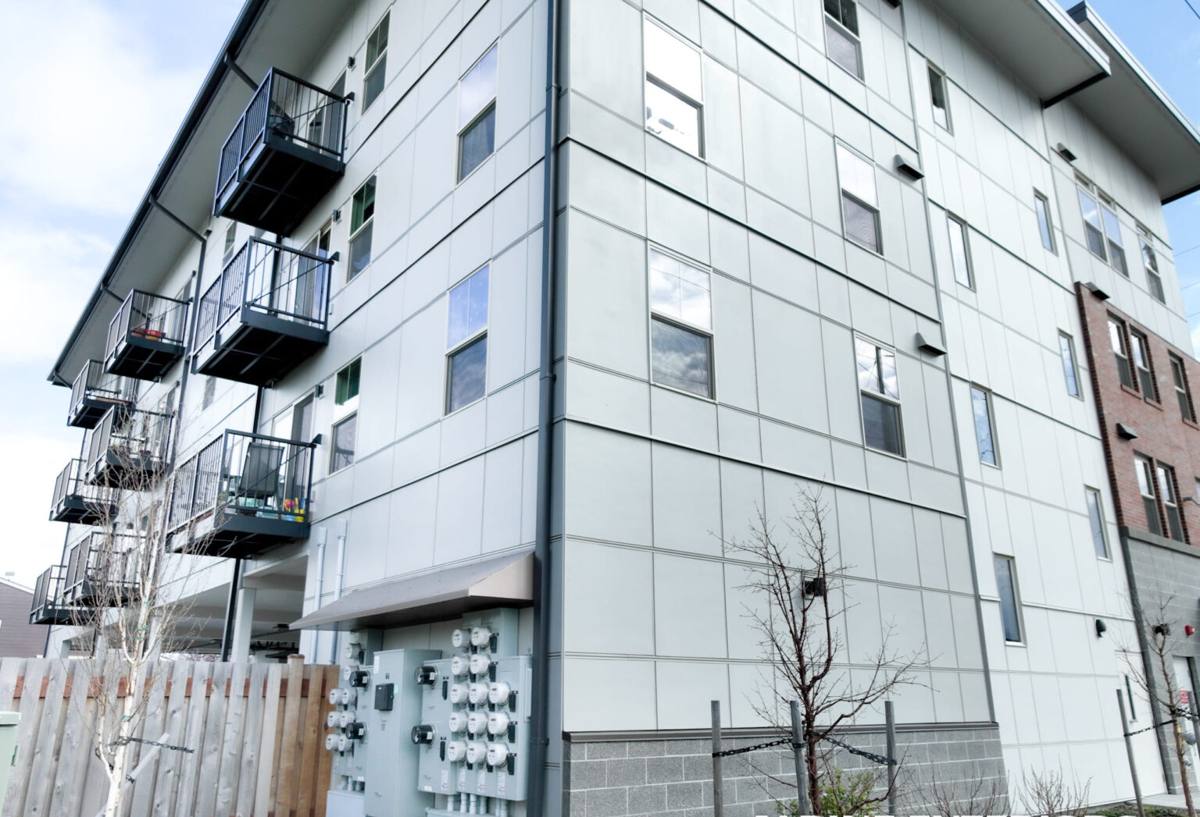
What the Blaine Climate Actually Does to Windows
Salt Air and Metal Components
Aluminum and lower-grade vinyl hardware exposed to salt-laden coastal air corrode and degrade faster than the same materials would a few miles inland. That shows up as pitted or chalky frame finishes, stiff or seized hardware, and hinges or locks that stop working smoothly well before the glass itself fails. We favor window lines and hardware finishes with proven track records in coastal exposure, and we say so plainly when a product isn't a good fit for a waterfront or near-water property.
Driving Rain and Wind-Driven Water
Blaine's exposure means rain frequently arrives at an angle, pushed by wind off the water rather than falling straight down. That kind of driving rain finds weaknesses in flashing and sealant that a calmer climate would never expose. Correct flashing detail and sealant work around the window opening matter as much as the window unit itself — we've seen plenty of quality windows fail prematurely because of a poor installation, not a poor product.
Extended Moss and Damp Season
A long, wet moss season means anything that traps moisture near a window — worn caulking, clogged weep holes, deteriorating trim — gets a head start on rot and mold. Regular moss growth on a roof or in shaded areas of a house is a sign of a damp microclimate, and windows in those same shaded, moisture-holding areas need details (drainage, sealant, trim material) that shrug off sustained dampness rather than absorb it.
Signs a Blaine Home Needs Window Replacement, Not Just Repair
- Visible condensation or fogging between glass panes, meaning the seal has failed and the insulating gas is gone
- Frames that feel soft, spongy, or show dark staining, especially near the bottom corners
- Persistent drafts you can feel with your hand near the frame on a windy day
- Windows that are difficult to open, close, or lock — often a sign of frame swelling or hardware corrosion
- Visible salt residue, pitting, or chalky buildup on aluminum or older vinyl frames
- Noticeably higher heating bills in winter compared to similar homes nearby
- Moss or algae staining on sills or exterior trim that keeps returning after cleaning
Not every one of these means full replacement is required immediately, but more than one or two together usually points to windows that are past the point where repair makes sense.
What Correct Energy-Efficient Window Installation Involves
The window itself is only part of the job. In a climate like Blaine's, the installation details determine whether that window performs for fifteen years or fails in five.
Removal Without Damage
Old windows need to come out cleanly, without tearing the surrounding wall assembly or hiding damage that's already there. This is also the point where we find out if there's existing rot, prior water intrusion, or framing that needs attention before a new window goes in — problems that are much cheaper to fix now than to uncover later.
Flashing and Weatherproofing
Given how much wind-driven rain this area sees, proper flashing integration with the home's existing water management (house wrap, building paper, or weather barrier) is not optional. This is the step most likely to get shortcut by installers unfamiliar with coastal exposure, and it's the step most responsible for long-term leaks when it's done wrong.
Insulation and Air Sealing
The gap between the new window frame and the rough opening needs to be sealed and insulated correctly — not stuffed with excess foam that can bow the frame, and not left with gaps that undercut the window's rated efficiency. This is where a genuinely efficient window can still underperform if the installer rushes this step.
Interior and Exterior Finish Work
Trim, caulking, and any interior finish work should be completed to match the surrounding wall, with sealant choices that hold up to sustained damp conditions rather than drying out and cracking within a couple of seasons.
Choosing Window Materials and Glass for a Coastal Property
| Frame Material | How It Handles Blaine's Climate | Our Take |
|---|---|---|
| Vinyl (quality-grade) | Resists corrosion, low maintenance, good insulating properties | Solid, cost-effective choice for most Blaine homes |
| Fiberglass | Excellent dimensional stability, holds up well to temperature swings and moisture | Strong option where durability is the top priority |
| Wood (clad exterior) | Attractive but needs the exterior cladding to fully protect the wood from salt air and rain | Fine when detailing and maintenance commitment are both solid |
| Bare aluminum | Conducts heat and cold, prone to corrosion and pitting in salt air | Generally not our recommendation for exposed coastal locations |
Beyond frame material, glass package matters. Double-pane with a low-E coating is the practical baseline for this climate; homes with significant west or water-facing exposure often benefit from a glass package tuned for solar control as well as insulation. We'll walk through the actual trade-offs for your specific home rather than defaulting to whatever's easiest to sell.
Cost Factors Worth Understanding Before You Get Quotes
| Factor | Why It Moves the Price |
|---|---|
| Number and size of openings | More and larger windows mean more material and labor |
| Frame material chosen | Fiberglass and premium vinyl cost more upfront than basic vinyl or aluminum |
| Condition behind the old window | Hidden rot or water damage found during removal adds repair work |
| Access and second-story work | Upper-floor or hard-to-reach windows take more time and equipment |
| Custom shapes or sizes | Non-standard openings usually require special ordering |
We give honest, itemized numbers rather than a vague lump sum, so you can see exactly what you're paying for.
Why Hiring a Crew That Already Works in Blaine Matters
A lot of window installation problems in coastal Whatcom County towns like Blaine come from crews applying techniques and material choices that work fine forty miles inland but aren't suited to this exposure. Knowing which hardware finishes hold up to salt air, how to detail flashing for wind-driven rain, and which caulking actually stays flexible through a wet Pacific Northwest winter isn't generic knowledge — it's specific to this stretch of coastline. We work throughout Bellingham and greater Whatcom County, including Blaine, and we bring that same attention to coastal detail to every job here, not a scaled-down version of an inland approach.
We also stand behind our own installation work, separate from whatever warranty comes with the window product itself. If something about the install isn't right, we want to hear about it and fix it — that's a straightforward part of doing this work honestly.
Our Process, Start to Finish
- On-site assessment. We look at your current windows, check for hidden moisture or rot, and talk through what's actually driving the need for replacement.
- Honest recommendation. We'll walk you through frame material, glass package, and installation scope options suited to your home's exposure — not a one-size-fits-all pitch.
- Written estimate. A clear, itemized quote so you know what you're paying for and why.
- Scheduled installation. Old windows removed carefully, any hidden issues addressed, new windows installed with proper flashing, insulation, and sealing.
- Finish and walkthrough. Trim and finish work completed, then a walkthrough so you know how to care for your new windows in this climate.
Caring for Your Windows After Installation
- Rinse frames and glass periodically to remove salt residue, especially after storms
- Keep weep holes clear of debris so water can drain properly
- Check exterior caulking annually and touch up before small gaps become bigger problems
- Trim back vegetation that keeps window areas shaded and damp
- Operate locks and hardware periodically, even on windows you don't open often, to keep mechanisms from seizing
A little regular attention goes a long way toward getting the full service life out of a window investment in this climate.
If your Blaine home has windows that are drafty, fogged, hard to operate, or just showing their age, we're glad to take a look and give you a straightforward, no-pressure estimate. Fill out the form below and we'll get in touch to schedule a time that works for you.