 Bellingham Siding
 Board & Batten Siding Built for Fairhaven's Climate
Fairhaven sits close enough to Bellingham Bay that homes here take on a different kind of weather exposure than siding a few miles inland. Salt-laden air off the water, driving wind-blown rain through the fall and winter, and a moss season that can run most of the year all put real stress on exterior materials. Board and batten siding has become a popular choice in this neighborhood because the vertical lines suit the mix of craftsman cottages, farmhouse-style remodels, and newer builds you'll find on Fairhaven's residential streets. But the style only performs as well as the material and installation behind it. Vertical board and batten has more seams, more fastening points, and more edge exposure than a standard lap profile, which means it's less forgiving of the wrong substrate or a sloppy install in a climate like this one.
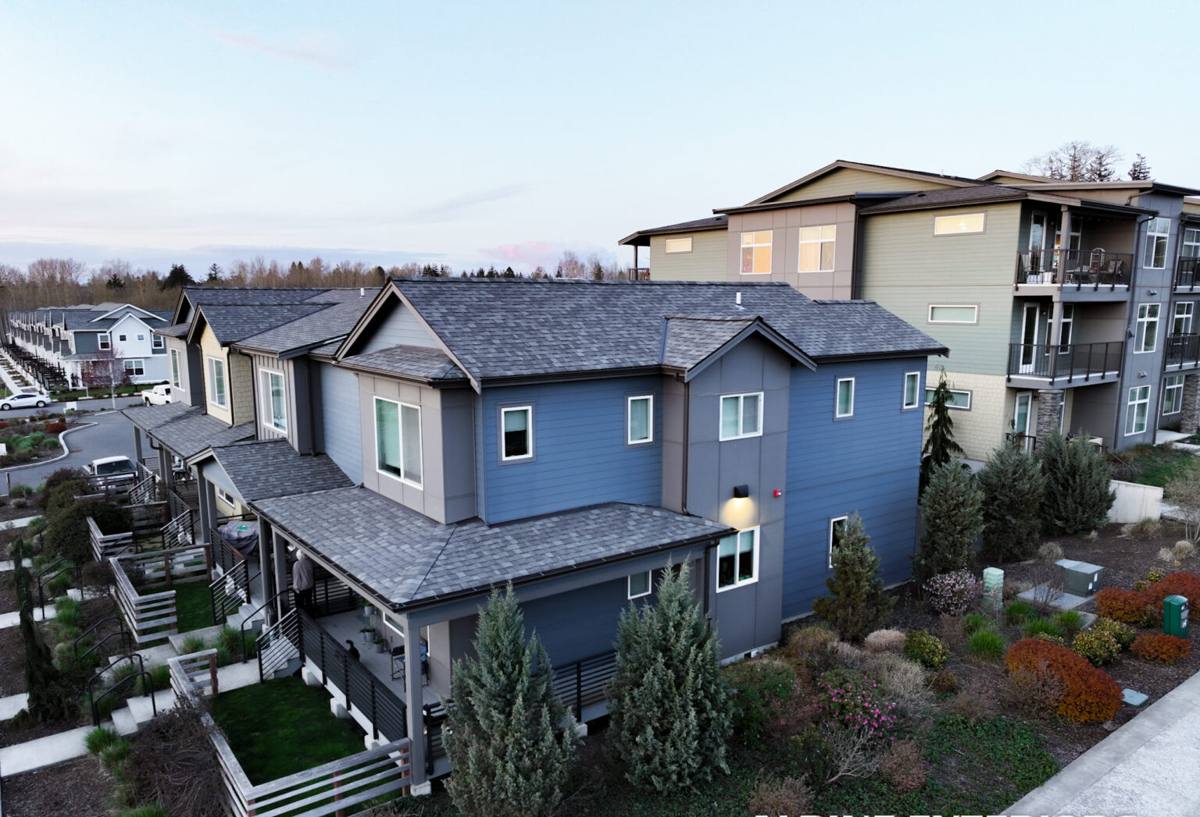
Why Board & Batten Needs to Be Right for a Coastal Bellingham Neighborhood
The board and batten look comes from vertical wide boards with narrow battens covering the seams between them. It's a clean, high-contrast profile that reads well on both historic-style homes and modern remodels, which is a big part of its appeal in Fairhaven. The tradeoff is that every batten strip creates a fastening line and a seam that has to shed water correctly for decades, not just look good on installation day. In a neighborhood exposed to salt air and near-constant winter moisture, that seam integrity is the whole ballgame. Get the flashing, fastening, and material selection wrong, and you're looking at moisture intrusion, panel cupping, or premature paint failure well before the siding should need attention.
What Whatcom County Coastal Exposure Actually Does to Siding
- Salt air accelerates corrosion on exposed metal fasteners and flashing that aren't rated for coastal use
- Driving rain finds any gap in seam coverage, especially on vertical profiles with more joints than horizontal lap siding
- Persistent shade and moisture on north-facing walls and under eaves feeds moss and algae growth nearly year-round
- Freeze-thaw cycles, while milder here than inland, still stress any siding material that absorbs and holds moisture
- Wind-driven rain off the bay can push water sideways into vertical seams that a calmer inland site would never see
Why We Only Install James Hardie for Board & Batten
Board and batten is available in several materials — vinyl, engineered wood, primed wood, and fiber cement among them — but we install James Hardie fiber cement exclusively, and the reasons matter even more on a vertical profile than a standard lap job. Hardie's board and batten options (including HardiePanel vertical siding with HardieTrim battens, and the Artisan line for a more refined reveal) are engineered specifically for wet Pacific Northwest climates. The material is non-combustible, doesn't swell or rot when a seam takes on moisture the way wood-based products can, and holds its factory ColorPlus finish far longer under UV and salt exposure than field-painted alternatives. On a style with this many seams, using a material that's dimensionally stable and moisture-resistant at every one of those joints isn't optional — it's the difference between board and batten that looks sharp for decades and board and batten that needs attention in five years.
We've made James Hardie our standard across every project, not just because it's a strong product on paper, but because we've installed enough siding in this climate to know which products hold up to salt air and sustained moisture and which ones need constant homeowner maintenance to stay ahead of it. Board and batten in particular punishes shortcuts, so we don't cut them.
What a Correct Board & Batten Installation Involves
Weather-Resistive Barrier and Drainage Plane
Every board and batten job starts underneath the siding, not at it. A continuous weather-resistive barrier and a proper drainage gap behind the panels give any moisture that does get past the surface a way out instead of a place to sit. This matters more on vertical siding because water runs down the face of the wall and collects at horizontal breaks — window heads, transitions, and the base of the wall — so those details have to be built correctly the first time.
Panel and Batten Layout
Panel spacing, batten placement over seams, and fastener schedule all follow James Hardie's published installation instructions for the specific product line being used. Battens need consistent reveal and correct fastening into structural framing, not just into the panel itself, so wind and moisture cycling don't work fasteners loose over time.
Flashing at Every Penetration
Windows, doors, hose bibs, light fixtures, and any other wall penetration need proper flashing integrated with the drainage plane before the siding goes on. On a coastal-exposure home, this is the single most common place a siding job fails early — not the field of the panel, but the details around openings.
Caulking and Sealant Standards
James Hardie specifies exactly where sealant is and isn't appropriate on board and batten installations. Over-caulking seams that are supposed to drain, or under-sealing ones that need it, both cause problems. We follow the manufacturer's sealant guidance rather than a one-size-fits-all approach.
Painting and Finish
ColorPlus factory-finished products arrive with the color baked on and don't need field painting, which removes a major point of failure. If field-applied paint is used on cut edges or touch-ups, it has to be done with the right primer and paint system to hold up to this area's UV and moisture exposure.
Board & Batten Style Options
| Consideration | What It Means for Fairhaven Homes |
|---|---|
| Reveal width | Wider battens read more rustic/farmhouse; narrower, tighter reveals suit a more refined or historic-influenced look |
| Panel vs. individual board | Engineered panel systems have fewer field seams than individual board installs, which reduces long-term water entry points |
| Color | Factory ColorPlus finish resists fading from UV and salt air far longer than field-applied paint |
| Application | Full-facade board and batten, or as an accent on gables and entry features paired with lap siding elsewhere on the home |
| Trim integration | Corner boards, window trim, and fascia need to be planned together so the vertical lines terminate cleanly |
Moss and Algae Management on Vertical Siding
Shaded, moisture-prone walls in Fairhaven — especially north-facing elevations and areas under mature trees — are prone to moss and algae buildup regardless of siding material. Fiber cement doesn't feed organic growth the way wood-based products can, but any siding will still collect surface growth in a persistently damp, shaded spot. Board and batten's vertical channels can actually shed water and debris better than some horizontal profiles when the reveal and drainage details are built correctly, which is one more reason the installation quality matters as much as the material choice.
Our Process for Fairhaven Board & Batten Projects
- On-site evaluation of your home's current siding, sheathing condition, and specific exposure — shaded sides, wind direction, drainage patterns
- Review of board and batten style options, reveal width, and where full-facade versus accent application makes sense for your home
- Detailed proposal covering product line, color, trim approach, and a realistic project timeline
- Removal of existing siding and inspection of sheathing for any moisture damage that needs to be addressed before new siding goes on
- Installation of weather-resistive barrier, drainage plane, flashing, panels, and battens to James Hardie's specifications
- Final walkthrough so you understand what was installed and how to keep it looking right
What to Ask Any Contractor Before Board & Batten Work Begins
- Are they installing a genuine drainage plane behind the panels, not just a moisture barrier stapled flat to the sheathing?
- Do they follow James Hardie's published fastener schedule and batten spacing, or a generalized approach?
- How do they flash windows, doors, and penetrations before siding goes on?
- Is the sheathing inspected for existing moisture damage before new siding covers it up?
- Have they worked in Fairhaven or comparably exposed, near-water neighborhoods before?
Why Hiring a Crew That Knows Fairhaven Matters
A siding crew that mostly works drier, more sheltered inland neighborhoods can still do competent work — but they may not default to the drainage details, fastener choices, and flashing sequencing that a coastal-exposure, high-moss Whatcom County site demands. We work across Bellingham and this part of Whatcom County regularly, which means we're already building to the exposure level Fairhaven homes see rather than treating it as a special case. That familiarity shows up in the details that don't get noticed until they fail — or, done right, never fail at all.
If you're considering board and batten siding for a home in Fairhaven, we're happy to take a look and give you a straightforward, no-pressure estimate. Use the form below to get started.