 Bellingham Siding
 Asphalt Shingle Roofing for the Columbia Neighborhood
The Columbia neighborhood sits close enough to Bellingham Bay and Whatcom Creek that its roofs take on a mix of challenges you don't see everywhere in Whatcom County: salt-tinged air rolling in off the water, heavy tree cover that keeps shingles damp longer than homes on open lots, and the kind of driving, sideways rain that finds every weak seam in a roof system. Asphalt shingles remain the most practical, cost-effective roofing material for most homes in this area, but only when they're specified and installed with this specific climate in mind. A shingle roof that would hold up fine in a dry inland climate can fail early here if the underlayment, flashing, and ventilation weren't built for constant moisture.
This page focuses on one job, done right, in one neighborhood: asphalt shingle roof installation and replacement for Columbia homes. Not a generic overview of roofing — the specific decisions and installation details that matter for houses in this part of Bellingham.
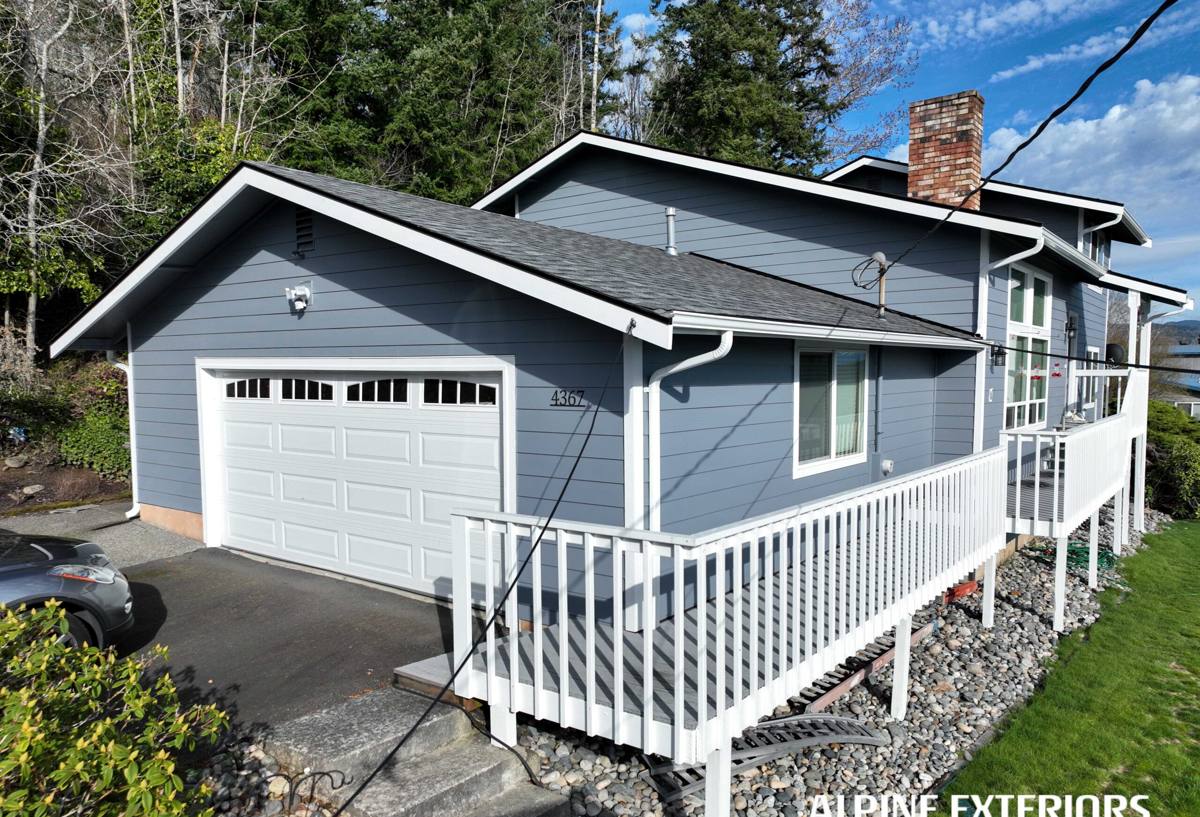
What Bellingham's Climate Does to a Shingle Roof
Whatcom County doesn't get the extreme heat or hail that stresses shingles in other parts of the country. Instead, the damage here is slow and cumulative, driven by moisture that rarely lets up.
Driving rain and wind-driven water
Storms off the Strait of Georgia and Puget Sound frequently push rain sideways rather than straight down. That matters because wind-driven rain doesn't just land on the shingle field — it gets forced up under shingle tabs, into exposed nail heads, and along valleys and roof-to-wall transitions. A roof that relies on shingles alone to keep water out, without proper underlayment and flashing, will eventually leak in exactly these spots.
Salt air and metal corrosion
Homes closer to the bay are exposed to a light but steady dose of salt air. Over years, that accelerates corrosion on exposed fasteners, flashing, and vent components that aren't rated for coastal exposure. It's a slower process than storm damage, but it's one of the more overlooked reasons roofs in this part of Bellingham fail at the metal details before the shingles themselves wear out.
Moss, algae, and the long wet season
Between fall and spring, Whatcom County roofs can stay damp for days at a stretch, especially on north-facing slopes and sections shaded by mature trees — common throughout Columbia's older, tree-lined lots. That extended dampness is exactly what moss and algae need to establish. Once moss takes hold, it holds moisture against the shingle surface, works its way under tabs, and can lift shingles enough to let water in even before the shingles themselves are worn out.
Choosing the Right Shingle for This Neighborhood
Not every asphalt shingle is built the same, and in a wet, moss-prone climate, the differences matter more than they would somewhere drier.
Architectural vs. three-tab shingles
Architectural (dimensional) shingles are heavier, thicker, and layered, which gives them better wind resistance and a longer realistic lifespan than basic three-tab shingles. For Columbia's exposure to wind off the water, the added wind rating on architectural shingles is a practical advantage, not just a cosmetic upgrade.
Algae-resistant granules
Most quality shingle lines now offer a version with copper- or zinc-infused granules designed to resist the growth of algae and moss over time. In a climate like this one, that feature earns its keep. It won't eliminate the need for basic roof maintenance, but it meaningfully slows how fast growth re-establishes after a roof is cleaned.
Impact and wind ratings
We match the shingle's wind rating to what a roof in this neighborhood will actually see — gusty fall and winter storms — rather than defaulting to whatever is cheapest. A shingle rated for calm, dry climates isn't the right fit for a home exposed to Bellingham Bay weather.
| Shingle Type | Typical Lifespan | Best Fit For |
|---|---|---|
| 3-tab asphalt | 15–20 years | Budget-conscious projects, simple roof lines, secondary structures |
| Architectural (dimensional) | 25–30+ years | Most Columbia homes; better wind and weather resistance |
| Algae-resistant architectural | 25–30+ years | Shaded lots, north-facing slopes, homes with a history of moss |
What a Correct Installation Actually Involves
Shingles get the attention, but most roof failures in this climate start with what's underneath or around them, not the shingles themselves.
Underlayment and ice-and-water protection
We install a synthetic underlayment across the full roof deck as the primary water barrier beneath the shingles, and we add self-adhering ice-and-water membrane at the eaves, valleys, and other vulnerable transitions where wind-driven rain is most likely to get pushed backward under the shingle edge.
Flashing at every transition
Chimneys, skylights, dormers, and roof-to-wall junctions are where shingle roofs actually leak — almost never in the open field of the roof. Correct step flashing, counter-flashing, and valley metal, properly lapped and sealed, are what keep water out at these points over the long run.
Nailing pattern and fastener choice
Manufacturer-specified nailing patterns exist for a reason: correctly placed and driven fasteners are what keep shingles attached in wind and prevent the kind of nail-pop leaks that show up years later. Given the salt exposure closer to the bay, we also pay attention to fastener quality so corrosion isn't accelerating fastener failure ahead of schedule.
Starter strips and ridge caps
The starter course along the eaves and rake edges, and the ridge cap along the peak, are two areas that are easy to shortcut and hard to notice until they fail. Done correctly, they seal the most exposed edges of the roof against wind-driven rain and give the whole system a finished, weathertight edge.
Ventilation and Moisture Control
A shingle roof isn't just what's visible from the street — it's a system that has to manage moisture moving both from outside in and from inside out. In a climate as damp as Bellingham's, attic ventilation is not optional.
- Balanced intake (soffit) and exhaust (ridge or roof) ventilation keeps moist air from condensing on the underside of the roof deck.
- Poor ventilation traps humidity in the attic, which can rot decking from beneath even while the shingles above look fine.
- Proper airflow also helps shingles run cooler and drier, which slows premature aging and reduces the conditions moss and algae need to take hold.
- We check existing ventilation on every replacement — adding or correcting it is often a small addition compared to the cost of the shingles themselves, with an outsized effect on how long the roof lasts.
Our Process, Start to Finish
- Free on-site estimate. We walk the roof (or inspect from ladder/drone when steep or unsafe to walk), check the decking, flashing, and ventilation, and give you a straightforward assessment — repair, partial replacement, or full replacement.
- Written scope and shingle selection. We go over shingle options, colors, and the specific underlayment and flashing plan for your roof, so there are no surprises once work starts.
- Tear-off and deck inspection. Old roofing comes off down to the deck, and we inspect the sheathing for soft spots or water damage before anything new goes down — a step that's easy to skip and expensive to skip wrong.
- Underlayment, flashing, and shingle installation. Installed to manufacturer specification, with extra attention at eaves, valleys, and penetrations given our rain exposure.
- Cleanup and magnetic sweep. Yard and driveway cleared of debris and stray nails before we consider the job finished.
- Final walkthrough. We review the finished roof with you directly and answer any questions before we close out the job.
Maintenance After Installation
A correctly installed shingle roof in this climate still benefits from basic upkeep. None of it is complicated, but skipping it shortens the roof's life.
- Keep gutters clear so water isn't backing up under the eave edge during heavy rain.
- Trim back overhanging branches where practical — less shade means faster drying and slower moss growth.
- Have moss or algae growth treated promptly rather than left to spread; caught early, it's a simple cleaning rather than a repair.
- Schedule a visual roof check after major windstorms, especially for lifted or missing shingles near ridges and edges.
- Avoid pressure washing shingles directly — it can strip protective granules and shorten the roof's service life.
Cost Factors for a Columbia Roof Replacement
Every roof is different, but the same handful of factors drive most of the cost variation we see on jobs in this neighborhood.
| Factor | Why It Matters Here |
|---|---|
| Roof size and complexity | More valleys, dormers, and roof planes mean more flashing work and labor time |
| Deck condition | Older Columbia homes sometimes need sheathing repair once old roofing is removed |
| Shingle grade chosen | Algae-resistant, higher wind-rated architectural shingles cost more upfront, less in the long run |
| Ventilation upgrades | Adding or correcting intake/exhaust ventilation during tear-off is far cheaper than doing it separately later |
| Access and pitch | Steep roofs or limited access (mature trees, tight lots) affect labor and safety setup |
We give exact numbers only after seeing the roof in person — anyone quoting a firm price over the phone for a job like this hasn't actually inspected the deck, flashing, or ventilation, all of which affect the real cost.
Why a Local Columbia Crew Matters
A roofing crew that regularly works this specific part of Bellingham has already seen how the neighborhood's tree cover, home ages, and proximity to the water play out on real roofs — which slopes hold moss the longest, which flashing details tend to have been cut corners on in older re-roofs, and what ventilation setups actually work under this much sustained moisture. That's different from general roofing experience. It means fewer surprises during tear-off and a roof specified correctly for this exact climate rather than a one-size-fits-all approach borrowed from a drier region.
It also means accountability that isn't going anywhere. A local crew is back in this neighborhood regularly, which matters if a warranty question or a storm-related issue comes up years down the road.
What to check before hiring any roofing contractor
- Current Washington state contractor license and liability insurance, verifiable on request.
- A written scope of work — underlayment type, flashing plan, shingle brand and line, ventilation approach — not just a total price.
- A clear tear-off and deck-inspection process, not a straight "shingle over shingle" shortcut.
- A manufacturer warranty backed by proper certified installation, plus a separate workmanship warranty from the crew doing the labor.
- References or completed work you can actually see, not just quoted pricing.
If your Columbia home needs a shingle roof inspection, repair, or full replacement, we're happy to take a look and give you a straightforward, no-pressure estimate — just fill out the form below and we'll get in touch.