 Bellingham Siding
 Windows Built for Sunnyland's Weather, Not Just the Showroom
Sunnyland sits close enough to Bellingham Bay that salt-laden air, wind-driven rain, and the long gray stretch of moss season all show up in how windows age here. A window that performs fine in a dry inland climate can fail years early in this neighborhood if it wasn't specified, flashed, and sealed for what Whatcom County actually throws at a house. We install custom windows in Sunnyland with that reality in mind, not a generic install pulled from a national playbook.
"Custom" here doesn't just mean a nonstandard size for an older home's rough opening — though that matters in a neighborhood with plenty of houses built well before modern window sizing was standardized. It means matching frame material, glazing package, and flashing detail to the exposure of that specific wall, on that specific house.
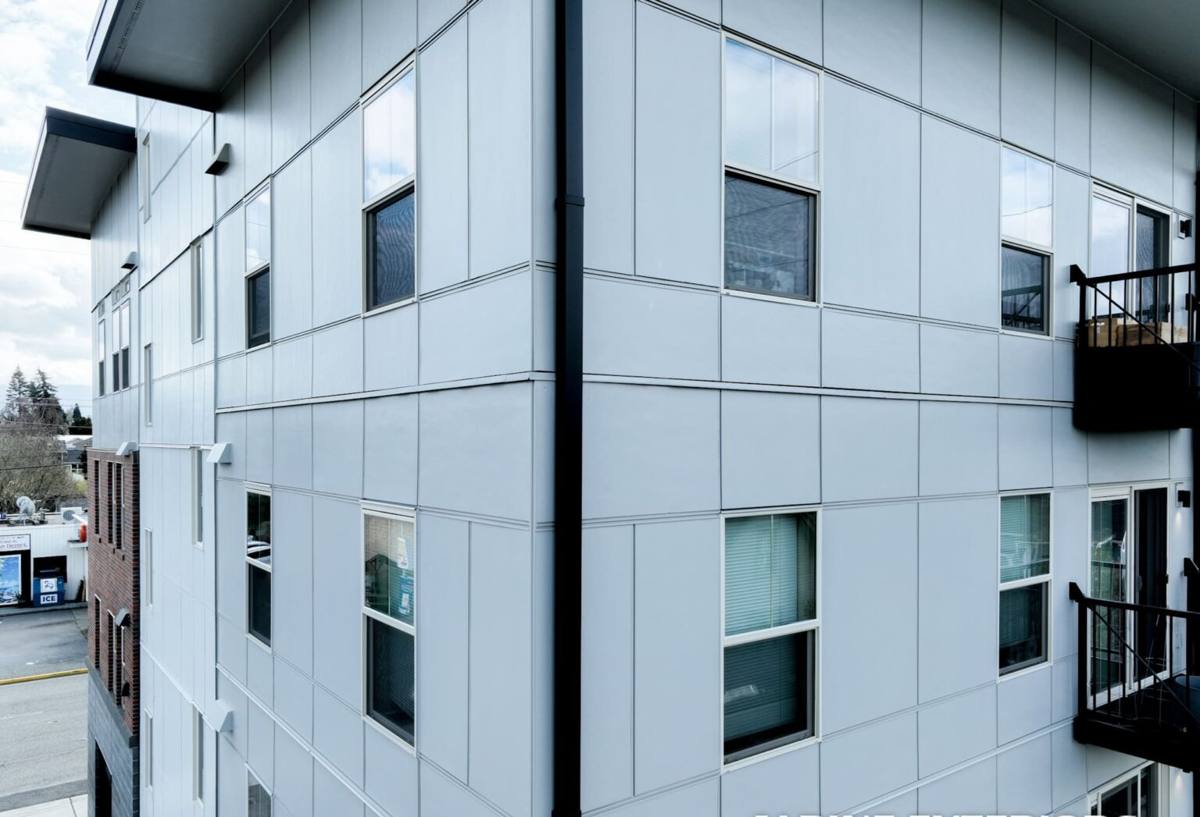
What Bellingham's Climate Actually Does to Windows
Salt Air and Metal Fatigue
Homes closer to the water deal with airborne salt that accelerates corrosion on any exposed metal — hardware, screen frames, and especially lower-grade aluminum components. Over years, that shows up as pitting, stiff or seized hardware, and finish failure well before the glass unit itself gives out.
Driving Rain and Wind-Loading
Bellingham storms don't just fall straight down — wind off the Sound and Sound-adjacent terrain pushes rain sideways into wall assemblies. A window that's caulked instead of properly flashed will hold up fine in a light shower and then leak the first time weather comes in sideways during a fall or winter storm.
Moss, Mildew, and Sustained Moisture
Long stretches of overcast, damp weather mean anything organic-adjacent — wood sills, unpainted trim, debris in window tracks — stays wet longer and grows moss or mildew faster than it would in a drier climate. That sustained moisture is harder on wood components and on any seal that isn't fully continuous.
None of this means Sunnyland homes need exotic materials. It means ordinary details — flashing laps, sill pans, drainage paths, and hardware grade — have to be done correctly, every time, because the climate doesn't forgive shortcuts the way a drier region might.
Signs Your Current Windows Are Losing the Fight
- Fogging or a visible haze between panes — the sealed glass unit has failed and lost its gas fill
- Sashes that stick, drop, or won't stay latched — frame or balance hardware wearing out
- Soft or discolored wood at the sill or lower corners — sustained moisture intrusion
- Visible moss or dark staining on exterior trim right around the window opening
- A cold draft at the frame edge on a windy day, even with the window fully latched
- Condensation forming on the interior glass or frame regularly through the wet months
Any one of these on its own might just mean a tune-up. Several together, especially on a wall facing the prevailing weather, usually means it's time to talk about replacement rather than repair.
What a Correct Custom Window Install Actually Involves
The window itself is the easy part to shop for. The install is where the climate resistance actually gets built in — and it's also where corners get cut if a crew is moving fast or unfamiliar with the house.
Opening Prep and Sill Pan
Every opening gets inspected for rot or damage before the new unit goes in. A sloped sill pan is set so any water that does get past the glazing drains back outside instead of pooling at the frame.
Flashing Sequence
Flashing tape and house wrap integration follow a shingle-style lap — each layer overlapping the one below so water is directed down and out, never trapped behind the siding. This is the single detail most responsible for whether a window stays dry through a decade of Bellingham winters.
Air Sealing and Insulation
The gap between the new frame and the rough opening gets sealed and insulated properly — not just stuffed with fiberglass, which does nothing for air infiltration, and not overfilled with expanding foam, which can bow a frame out of square.
Exterior Trim and Caulking
Caulk is the last line of defense, not the first — it seals the trim joint, it doesn't substitute for flashing. We match trim profiles to the house rather than defaulting to whatever's fastest to install.
Choosing the Right Frame Material for This Neighborhood
| Material | How It Handles Salt Air & Moisture | Maintenance | Typical Fit for Sunnyland |
|---|---|---|---|
| Vinyl | Won't corrode or rot; performs well in coastal humidity | Low — occasional cleaning | Strong default choice for most homes |
| Fiberglass | Excellent — very stable in temperature swings and moisture | Low | Good upgrade where budget allows, especially larger openings |
| Wood-clad | Interior wood needs protection from condensation; exterior clad handles weather | Moderate — interior finish upkeep | Best for homes prioritizing a traditional wood interior look |
| Aluminum | Prone to corrosion and thermal transfer near the water without upgraded coatings | Higher — hardware and finish wear faster in salt air | We use it selectively and only with marine-grade hardware where it fits the house |
We don't push one material as the only right answer. The right call depends on the home's age, exposure, and what the homeowner actually wants to maintain — we'll walk through the trade-offs honestly rather than steering toward whatever's easiest to install.
Cost Factors Homeowners Should Actually Weigh
| Factor | Why It Moves the Price |
|---|---|
| Number and size of openings | More or larger windows mean more material and labor |
| Frame material | Vinyl is typically the most budget-friendly; fiberglass and wood-clad cost more upfront |
| Glazing package | Double vs. triple pane, low-E coatings, and gas fills all add cost and performance |
| Opening condition | Rot repair or resizing an opening adds labor beyond a straight swap |
| Access and site conditions | Second-story or tight-clearance openings take more time to stage and install safely |
We're upfront that a full custom window project is a real investment. What we won't do is quote a number without seeing the openings — every house in Sunnyland has its own quirks, and a fair quote reflects the actual work, not a generic per-window rate.
Our Process for Sunnyland Projects
- On-site assessment — we look at each opening, the surrounding siding and trim, and any signs of existing water damage before recommending anything
- Measurement and material selection — exact opening dimensions are taken, and frame material and glazing are chosen based on that wall's exposure
- Scheduling around weather — openings are only exposed to the elements when we're confident about the forecast window, to avoid a half-finished opening catching a storm
- Install with full flashing detail — sill pan, flashing laps, air sealing, and trim, done in that order, not skipped or reordered to save time
- Walkthrough and cleanup — we check operation on every window and clear the site before calling the job done
Why a Crew That Already Works Sunnyland Matters
Sunnyland has its own mix of home ages and construction styles, and a crew that's already worked in the neighborhood has a head start recognizing what's behind the siding before opening it up — older non-standard rough openings, common trim profiles, and how a given block sits relative to prevailing wind and rain. That's not a substitute for a proper on-site assessment, but it means fewer surprises and a more accurate quote up front.
It also means faster response if a question comes up after the install — a callback for a hardware adjustment or a trim question doesn't mean waiting on a crew that has to relearn the house from scratch.
What to Check Before You Hire Anyone for Window Work
- Do they inspect the opening in person before quoting, rather than pricing off a phone description?
- Can they explain their flashing sequence in plain terms, not just "we seal everything up"?
- Do they offer more than one frame material option, or push a single product regardless of the house?
- Is the warranty — both manufacturer and labor — explained clearly and in writing?
- Do they have current licensing and insurance appropriate for exterior work in Washington?
A Straightforward Next Step
If your windows in Sunnyland are fogging, sticking, or letting in more draft and moisture than they used to, it's worth a look before another wet season goes by. We offer a free, no-pressure estimate — we'll assess your openings honestly, walk you through material options, and give you a clear picture of what the job actually involves before you decide anything. Reach out through the form below to get started.