 Bellingham Siding
 Why Fairhaven Puts Windows Through More Than Most Neighborhoods
Fairhaven sits close to Bellingham Bay, and that location shapes what a window has to survive here. Salt-laden air off the water works into weep holes, hinges, and cladding fasteners over time, corroding hardware that would last decades a few miles inland. Add Whatcom County's driving rain, which comes in sideways during winter storms, and any weakness in flashing or sealant shows up fast as staining, drafts, or soft trim. Then there's the tree cover that gives Fairhaven's older streets their character — beautiful, but it also means shade, damp air, and a long moss season that keeps sills, sashes, and exterior casing wet longer than sites with more sun exposure.
None of that means windows here fail faster by default. It means they need to be installed correctly the first time, with materials chosen for coastal exposure, or the problems compound quietly behind the trim where you can't see them until there's rot or a stuck sash.
What Fairhaven Homes Typically Need From a Window Replacement
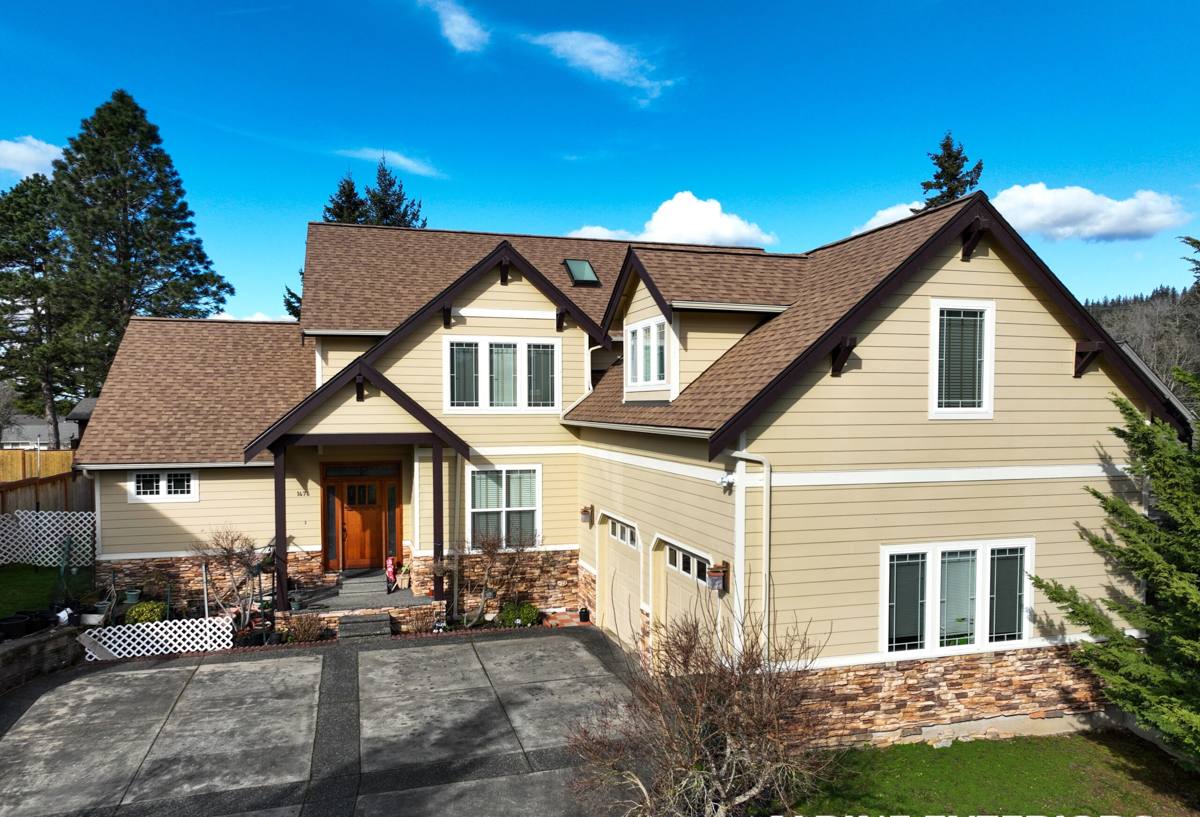
Fairhaven's housing stock is a mix — older character homes in and around the historic core, along with newer infill and homes further up the hill with more direct bay exposure. The right window plan depends on which situation you're in.
Older and character homes
Many homes in and near Fairhaven predate modern window standards. Original wood sashes, older aluminum replacements from past decades, and openings that have settled slightly out of square are all common. These jobs usually need more prep — checking for rot in the framing, correcting minor square before the new unit goes in, and matching trim profiles so the house doesn't lose its character.
Newer construction and hillside homes
Homes with more open exposure to wind off the bay benefit from higher wind-load ratings and tighter air-infiltration specs. These are usually straighter installs from a carpentry standpoint, but the product spec matters more because the units take a more direct hit from weather.
What a Correct Window Installation Actually Involves
Window replacement looks simple from the outside — old window out, new window in — but the difference between a window that lasts and one that leaks in five years happens in steps most homeowners never see.
- Removing the old unit without tearing out more siding or trim than necessary
- Inspecting the rough opening for rot, soft wood, or moisture damage before anything new goes in
- Installing a sloped sill pan so any water that gets past the window sheds outward, not into the wall
- Flashing the opening in the correct shingle-lap order so water always drains down and out
- Setting the window level, plumb, and square, then shimming and fastening per the manufacturer's spec
- Insulating the gap around the unit without overpacking it, which can bow the frame
- Sealing the exterior with the right sealant for the cladding type, and finishing interior trim to match
Skip or rush any one of these and the window may look fine for a year or two while a slow leak works into the framing. In a climate that stays damp as long as ours does, that's the difference between a window that's still solid at year twenty and one that's causing rot by year seven.
Choosing Materials for Salt Air and Moisture
Not every window product on the market is a good match for a site this close to the water. Our standard is to steer clients toward materials and hardware that hold up specifically to salt air and sustained damp, rather than whatever has the lowest sticker price.
| Frame Material | How It Handles Fairhaven's Climate | Trade-Offs to Know |
|---|---|---|
| Vinyl | Good moisture resistance, low maintenance, no corrosion risk | Can flex on very large openings; color/finish options are more limited |
| Fiberglass | Excellent stability in temperature and moisture swings, strong long-term performance near the coast | Higher upfront cost than vinyl |
| Aluminum-clad wood | Attractive for character homes, good exterior protection when detailed correctly | Interior wood still needs normal upkeep; cladding seams are a spot to detail carefully in driving rain |
| Bare wood | Best fit for strict historic matching where required | Highest maintenance burden in a climate this damp; needs a disciplined repaint/reseal schedule |
Hardware matters as much as the frame. We favor corrosion-resistant fasteners and hinge/lock hardware on every install this close to the bay, not just on units facing the water — salt air moves with the wind, not just in a straight line off the shoreline.
Glass Packages Worth Discussing
Standard double-pane glass is fine for many rooms, but for windows that take direct wind and rain — upper-floor units, west- and water-facing exposures — a low-E coated, argon-filled unit with a stronger seal earns its keep. It cuts condensation risk on cold, damp days and holds up better against the pressure that driving rain and gusty weather put on a seal over time.
Moss, Drainage, and the Details That Get Skipped
A long moss season isn't just a roof problem. Moss and algae growth on window sills, exterior casing, and the top of trim boards holds moisture against the wood or cladding far longer than open sun would allow. Two details matter more here than in drier climates:
- Sill slope — even a slight pitch keeps water moving off the sill instead of pooling where moss can take hold
- Drip cap detailing above the window — a properly installed drip cap keeps water from running down the face of the wall and soaking into trim seams
These aren't upsells. They're standard parts of a correct install in a climate like this one, and skipping them is a common reason older replacement jobs start showing rot at the sill or trim years before the window itself is due for replacement.
Historic Character Considerations
Parts of Fairhaven fall within or near Bellingham's historic districts, and some properties may carry design guidelines that affect what's allowed on street-facing elevations — window profile, grille pattern, or material in some cases. If your home is in that situation, we'll help you figure out what applies before ordering anything, rather than finding out after installation that trim or grille pattern needs to change. When there's no historic restriction, the choice is about your preference for matching the home's original look versus prioritizing performance — we'll walk through both honestly.
Our Process for a Fairhaven Window Project
- On-site assessment — we look at every opening individually, not just count windows. Rot, square, exposure direction, and existing flashing condition all get checked.
- Honest product recommendation — based on which elevation faces weather, whether the home has any historic considerations, and your budget, not a one-size push toward a single product line.
- Written estimate — clear on scope, materials, and what happens if we find hidden rot once old windows come out.
- Installation — one opening at a time, sealed and weathertight before we move to the next, so your home isn't exposed to a Whatcom County downpour mid-project.
- Final walkthrough — operation, sealing, and trim checked with you before we call the job done.
Why a Crew That Already Works Fairhaven Matters
Window replacement isn't a one-recipe trade. A crew that mainly works drier, inland areas can do competent work and still under-spec for a job that sits a few blocks from Bellingham Bay. Working regularly in Fairhaven and the surrounding Bellingham area means we already know which exposures need the extra attention to flashing and hardware, what condition to expect behind older siding when we open a wall, and how to sequence a job around Whatcom County's rain patterns instead of getting caught mid-install by a system rolling in off the water. That familiarity shows up in fewer surprises and fewer callbacks — not in anything flashy, just in a job that's still tight and dry five, ten, twenty years out.
A Simple Homeowner Checklist Before You Call Anyone
- Note which windows are hardest to open/close, foggy between the panes, or drafty — that narrows down priority openings
- Look for soft or discolored trim, sill, or siding around any window — a sign moisture is already getting in
- Check for visible moss or dark staining on sills and exterior casing
- Know roughly which direction each problem window faces — water- or wind-facing openings often need a higher-spec product
- Ask any contractor you're considering how they handle sill pan flashing and rough-opening moisture — the answer tells you a lot
If you're weighing window replacement for a Fairhaven home, we're happy to take a look and give you a straightforward, no-pressure estimate — what your windows actually need, what it will cost, and why. Use the form below to get started.