 Bellingham Siding
 Window Replacement Built for Lynden's Weather
Lynden sits inland in the Nooksack valley, in the northern reach of Whatcom County near the Canadian border, but it isn't spared from the weather pattern that shapes exterior work across this whole part of Washington. Moist, salt-tinged air moves up the valley off the Sound, rain arrives wind-driven more often than straight down, and the region's long stretch of mild, damp months gives moss and mildew plenty of time to work on anything that stays shaded or wet. Windows take the brunt of that. They're the seam between conditioned indoor air and everything outside, and a window that's aging, poorly sealed, or was never flashed correctly is usually the first place a house starts losing that battle.
Bellingham Siding Installer replaces windows for homeowners throughout Lynden and the rest of Whatcom County, and window replacement is a big enough job — with enough ways to get it wrong — that it deserves its own honest explanation, separate from general window repair. This page covers what a proper replacement project actually involves here, what it costs to get right, and why the details matter more in this climate than in most.
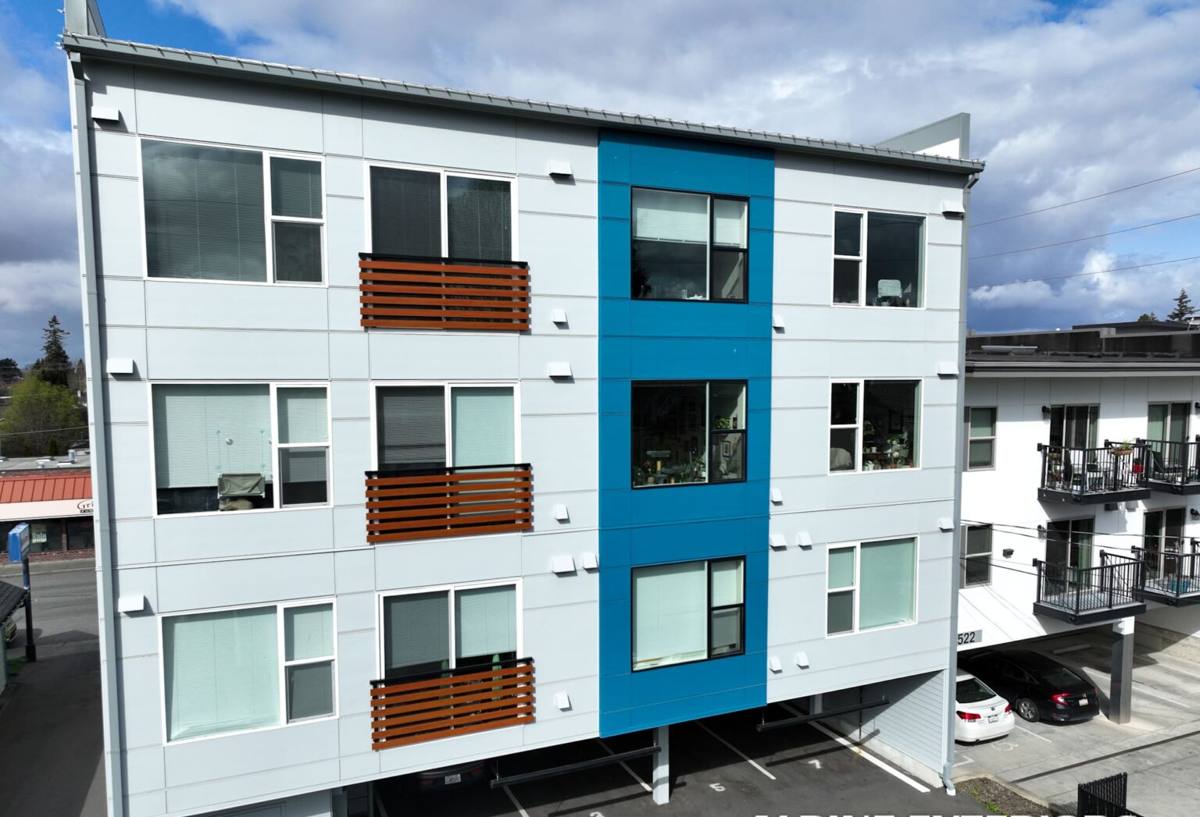
When Replacement Is the Right Call
Not every window problem means a full replacement, but there's a point where patching stops making sense. Replacement is usually the better investment, rather than another round of repair, when you're looking at:
- Original single-pane or early double-pane windows that were never upgraded since the home was built
- Multiple units with failed seals or fogged glass across the house, not just one isolated window
- Wood frames or sills with rot that's spread past a small, patchable section
- Windows that are painted shut, warped, or so out of square they no longer latch or lock properly
- A past installation with no real flashing behind it, where the window itself is fine but the wall assembly around it isn't
- An addition or remodel where window styles no longer match, or an egress requirement that the existing opening doesn't meet
If you're only dealing with one drafty window and the rest of the house is sound, a repair or reseal is often the more honest recommendation, and we'll tell you that instead of upselling a project you don't need yet.
Full-Frame vs. Insert Replacement
The first real decision on any replacement project is which method fits the opening. Both are legitimate approaches — the right one depends on the condition of what's already there, not on which is faster for us to install.
| Approach | What It Involves | Best Fit | Trade-Offs |
|---|---|---|---|
| Insert (pocket) replacement | New window fits into the existing, intact frame; original trim and siding stay in place | Sound frames with no rot and flashing that's already doing its job | Faster and less disruptive, but it can't fix a moisture problem hiding behind the old frame |
| Full-frame replacement | Old window and frame removed down to the rough opening; flashing and sill pan rebuilt from scratch | Frames with rot, poor original flashing, or a change in window size or style | Costs more and takes longer, but it's the only way to actually correct a moisture problem instead of sealing it up behind new glass |
We open up the opportunity to look at the framing before we quote a final number. If an insert replacement is genuinely the right call, that's what we'll recommend — going full-frame on every job regardless of condition just adds cost without adding value.
Why This Decision Matters More Here
In a drier climate, the difference between these two approaches is mostly about cost and speed. In Whatcom County, it's often about whether the wall behind the window is actually dry. An insert replacement installed over hidden sill rot or missing flashing paper looks fine on day one and starts failing again within a few wet seasons — the new window gets blamed for a problem it didn't cause. That's why we check before we quote, not after we've already started.
Glass and Frame Options Worth Understanding
Beyond the replacement method, the window itself has real choices that affect comfort, condensation, and upkeep in a marine climate like this one.
| Feature | What It Does | Worth It in Lynden? |
|---|---|---|
| Low-E glass coating | Reflects heat rather than transferring it through the glass, and reduces UV-related fading indoors | Standard on most quality windows now; minimal added cost for the benefit |
| Double-pane, argon-filled | Two sealed panes with an insulating gas gap; the baseline for a modern replacement window | Yes — solid performance for most homes at a reasonable cost |
| Triple-pane | A third pane adds insulation value and can reduce condensation on the interior glass surface | Worth considering for north-facing rooms, additions with high heat loss, or homes with persistent condensation, but not a must for every opening |
| Vinyl frame | Won't rot; performance depends heavily on weld and seam quality | Good value option when installed by a crew that checks corner welds and reinforcement |
| Fiberglass frame | Dimensionally stable, resists moisture and temperature swings well | Strong long-term choice, especially on weather-exposed elevations |
We'll talk through which combination makes sense room by room rather than quoting one spec for the whole house. A south-facing living room window and a shaded north bedroom window don't always need the identical package.
Our Window Replacement Process
- On-site assessment. We measure every opening, check existing flashing and framing condition where we can see it, and note anything — rot, out-of-square framing, code issues — that could affect the plan.
- Product selection. We go over frame material, glass package, and full-frame vs. insert for each opening based on what we found, not a one-size-fits-all default.
- Written estimate and scheduling. You get a clear scope and price before anything is ordered, with realistic lead times for the products you choose.
- Site protection and removal. Interior and landscaping near the work area get protected, then old windows come out carefully, one opening at a time, so your home isn't left exposed longer than necessary.
- Framing and sill repair, if needed. Any rot or damage found once the old window is out gets addressed before the new one goes in — this is where full-frame jobs earn their cost.
- Flashing, sill pan, and window installation. The new window is set, shimmed level and square, and the flashing and sill pan are installed to shed water outward, not just sealed with caulk.
- Insulation and air sealing. The gap between window and framing is insulated and sealed without trapping moisture against the wood.
- Exterior trim and finish. Trim is reinstalled or replaced, and all exterior joints are sealed with materials rated for sustained exposure.
- Interior finish and walkthrough. Interior trim is finished, every window is tested for smooth operation, and we walk the job with you before calling it done.
- Cleanup and paperwork. Old windows are hauled off, the site is cleaned, and you get warranty documentation for the product and the installation.
What Affects the Cost of a Window Replacement Project
There's no honest flat price for window replacement — too much depends on the specifics of your home. These are the factors that actually move the number:
| Factor | Why It Matters |
|---|---|
| Number of openings | Per-window pricing drops somewhat on larger jobs, but total project cost still scales with count |
| Full-frame vs. insert | Full-frame costs more per opening due to added labor, flashing work, and any framing repair |
| Frame material and glass package | Vinyl is generally the most budget-friendly; fiberglass and triple-pane glass add cost along with performance |
| Window size and style | Large picture windows, bays, and custom shapes cost more than standard-size double-hung or slider units |
| Hidden rot or framing damage | Discovered mid-project, this adds labor and material that couldn't be priced sight-unseen |
| Trim and siding repair | Older homes with wood trim or siding around the opening sometimes need matching repair work after the swap |
| Egress or code requirements | Bedroom windows that don't meet current egress sizing may need a larger opening, which adds framing work |
Most single or handful-of-window projects land in the low-to-mid four figures installed; whole-house full-frame projects on older homes run well beyond that once framing repair and trim work are factored in. We'll give you real numbers for your specific home during the estimate, not a range pulled from a website.
What New Windows Actually Change
Replacement windows are often sold on energy savings alone, and while a tighter, better-insulated window does reduce drafts and heat loss compared to an old, failed-seal unit, the honest picture is broader than a utility bill. New windows stop the pattern of moisture creeping in around a failing frame, which protects the wall framing behind them for the long run. They cut down on condensation that fogs glass and drips onto sills every winter. They make rooms that used to feel cold near the glass actually comfortable to sit in. And they operate the way windows should — opening, closing, and locking without a fight. Those day-to-day differences tend to matter more to homeowners than the exact number on a savings estimate, which depends on too many variables to promise honestly.
Why a Crew Already Working in Lynden Matters
A contractor who replaces windows across Whatcom County through every season learns things that don't show up on a spec sheet — which wall orientations in this valley hold moisture longest because of shade or tree cover, how much of a weather window a given install actually needs to cure sealants properly, and which flashing details are worth the extra time so a job doesn't leak two winters later. It also means someone who understands that an inland farm-valley home in Lynden faces a different exposure than a waterfront property closer to the Sound, and doesn't install both the same way. That local pattern recognition is hard to replicate on a first visit, and it's the difference between a window that performs on paper and one that actually holds up here.
If your Lynden home has windows that are past their useful life, fogged, drafty, or just original to a house that's due for an upgrade, we're glad to take a look and give you a straightforward read on what it needs. Reach out using the form below to schedule a free, no-pressure estimate.