 Bellingham Siding
 Siding Replacement for Puget Homes: Built for This Specific Climate
Homes in the Puget area of Bellingham sit close to the water, and that proximity shapes everything about how siding ages here. Salt-laden air off the Sound, wind-driven rain that comes in sideways rather than straight down, and a long, damp moss season put a different kind of stress on exterior walls than you'd see in a drier inland climate. A siding replacement in this neighborhood isn't just a cosmetic upgrade — it's a chance to correct whatever the original installation got wrong and put a system on the house that's actually engineered for Whatcom County weather.
This page covers what siding replacement means specifically for Puget homes: what the climate does to different materials, what a correct tear-off-and-reinstall job involves, how our process works, and why we've standardized on one product system instead of offering the usual lineup of options.
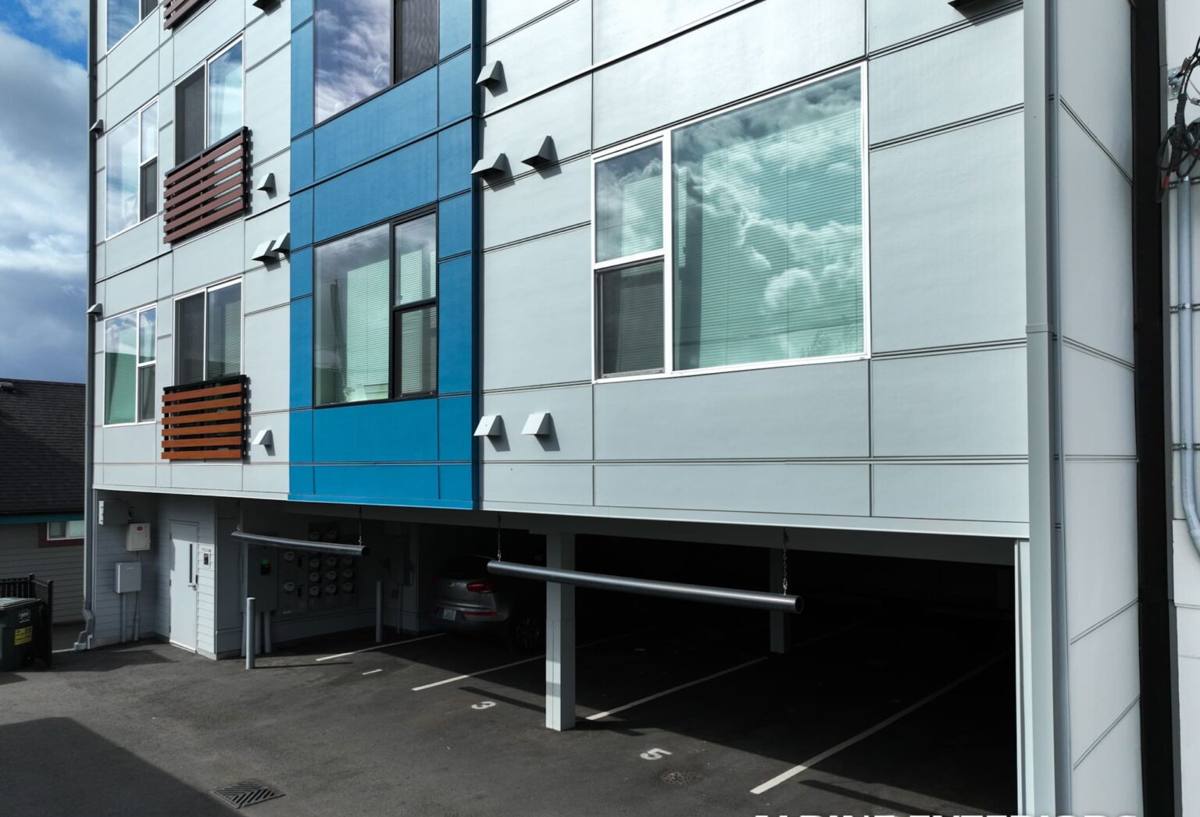
What Bellingham's Climate Does to Siding Over Time
Salt Air and Moisture
Airborne salt from Bellingham Bay accelerates corrosion on exposed fasteners, trim flashing, and any metal components in the wall assembly. It also keeps humidity levels around the siding slightly elevated compared to homes further inland, which matters a lot for materials that swell, rot, or delaminate when they stay damp.
Driving Rain and Wind-Driven Water
Storms off the Sound don't just fall — they push. Wind-driven rain gets forced up under laps, around window trim, and into any gap in the water-resistive barrier that a less careful installer left open. Over years, that's how you end up with rot at butt joints and corner trim long before the siding itself looks obviously bad from the street.
Moss, Algae, and a Long Wet Season
Puget's tree cover and the region's extended gray, damp stretch from fall through spring create ideal conditions for moss and algae growth on north-facing and shaded walls. Materials that hold surface moisture or have a porous factory finish will show green and black staining years before a properly finished, moisture-resistant product will.
How Different Siding Materials Actually Hold Up Here
Every product sold as "siding" behaves differently once it's exposed to salt air, standing moisture, and moss for a decade or more. Here's a straightforward comparison based on how these materials perform in a Pacific Northwest coastal climate like Bellingham's:
| Material | Moisture Behavior | Moss/Algae Resistance | Typical Maintenance |
|---|---|---|---|
| Vinyl | Doesn't rot, but seams and J-channels trap water against the sheathing behind it | Prone to algae staining, especially on shaded elevations | Periodic washing; brittle and prone to cracking in cold snaps |
| Cedar | Absorbs moisture readily; needs consistent sealing to resist swelling and rot | Susceptible without regular treatment | Refinishing every few years; ongoing caulking and inspection |
| Engineered wood (LP SmartSide and similar) | Wood-based core is moisture-sensitive at cut edges and fastener points | Moderate; depends heavily on installation detailing | Edge sealing and prompt repair of any breach are critical |
| James Hardie fiber cement | Non-combustible cement composite; engineered HZ formulations for damp climates | Factory ColorPlus finish resists staining better than field-applied paint | Occasional washing; no swelling, rot, or insect vulnerability |
None of these materials is immune to a bad installation. But the material itself sets a ceiling on how well even a correct installation will hold up over 20-30 years in this climate — which is why we've narrowed our own installs to one system.
Signs a Puget Home Needs Replacement, Not Just Repair
Not every issue calls for a full tear-off. But certain signs mean patching will just delay a bigger problem:
- Soft or spongy spots when you press on the siding, especially near the bottom courses or under windows
- Visible warping, cupping, or separation at seams and butt joints
- Paint that won't hold anymore, even after a fresh coat — often a sign moisture is moving through from behind
- Persistent moss or dark staining that comes back within months of cleaning
- Soft or discolored sheathing visible when a section of siding is removed or has already failed
- Siding that's original to a home built before modern water-resistive barrier and flashing standards were common practice
What a Correct Siding Replacement Involves
A siding replacement is really a wall assembly replacement, not just a material swap. Done right, it includes:
- Full tear-off of the old siding down to the sheathing, not an overlay on top of existing material
- Sheathing inspection and repair — any rot or water damage found underneath gets addressed before anything new goes up
- A continuous water-resistive barrier installed with proper shingle-lap sequencing so water sheds down and out, not behind the siding
- Correct flashing at every window, door, and roofline intersection — this is where most premature failures start in wind-driven rain climates
- Rainscreen or furring detail where appropriate, giving water a drainage path instead of trapping it against the sheathing
- Manufacturer-spec fastening — nail placement, spacing, and depth affect both warranty coverage and how the siding performs in wind
Skipping any one of these steps is how a siding job looks fine on install day and fails at year eight instead of year thirty.
Why We Install Only James Hardie Fiber Cement
We don't offer vinyl, LP SmartSide, Cemplank, Allura, primed spruce, or cedar as options — not because there's no market for them, but because after years of doing this work in Whatcom County's climate, James Hardie is the one system we're willing to stand behind for salt air, driving rain, and heavy moss exposure. It's non-combustible fiber cement, which matters for fire-conscious homeowners and insurers alike. The ColorPlus factory finish is baked on under controlled conditions rather than field-painted, which holds color and resists staining longer than site-applied paint. Hardie's HZ product lines are formulated specifically for damp, humid climate zones like ours. And the warranty is a real, transferable manufacturer warranty backed by a company that's been making this product for decades — not a marketing add-on.
That doesn't mean other products are junk. Vinyl is inexpensive and low-maintenance in the right climate. Cedar has a look some homeowners genuinely prefer. Engineered wood products have their place. But we've made a professional call that for the moisture load and salt exposure a Puget home deals with, fiber cement installed correctly is the material that holds up the longest with the fewest surprises.
Our Siding Replacement Process
- On-site assessment. We look at your existing siding, trim, window flashing, and any visible moisture damage before quoting anything.
- Scope and estimate. You get a clear breakdown of what's being removed, what's being repaired underneath, and what's going back up.
- Tear-off and sheathing check. Old siding comes off, and we inspect and repair the sheathing before anything new is installed.
- Water management and flashing. WRB and flashing go in first, sequenced to shed water the way this climate demands.
- James Hardie installation. Panels, planks, or shingle siding go up to manufacturer spec, with correct fastening and clearances.
- Trim, caulking, and final walkthrough. We finish the details that keep water out at every joint and corner, then walk the job with you.
Cost Factors for a Siding Replacement in This Area
| Factor | Why It Matters |
|---|---|
| Home size and wall complexity | More square footage and more corners, gables, and dormers mean more labor and material |
| Condition of the sheathing underneath | Rot repair found during tear-off adds cost but is far cheaper to fix now than after a wall fails |
| Existing siding type | Some materials are more labor-intensive to remove and dispose of than others |
| Number of stories and access | Second-story and hard-to-access walls take more time and equipment |
| Trim, color, and profile choices | James Hardie offers multiple plank widths, panel styles, and ColorPlus colors at different price points |
We won't quote a number without seeing the house — condition underneath the old siding is the biggest variable, and it's not something you can price accurately from a photo or a phone call.
Why a Crew That Already Works in Puget Matters
A contractor who's done siding work throughout this part of Bellingham already knows which walls take the worst of the wind-driven rain, where moss tends to build up fastest, and how the salt air off the bay affects fastener choice and trim detailing. That's not something you can fully substitute with a generic install checklist. It also means fewer surprises during permitting — siding replacement projects in Bellingham can require a permit through the city or Whatcom County depending on scope, and a crew that's navigated that before won't be learning the process on your project.
Local experience also shows up in the small decisions: which elevations need extra attention to flashing, how much clearance to leave at grade given our rainfall, and which detailing choices actually hold up through a real Bellingham winter rather than just looking good on install day.
If your Puget home's siding is showing its age — or you just want an honest read on whether you're looking at repair or replacement — we're happy to take a look and give you a straightforward, no-pressure estimate using the form below.