 Bellingham Siding
 Birch Bay's Coastline Is a Tough Environment for Siding
Birch Bay sits right on the Whatcom County coastline, and that location shapes what a home's siding has to survive year after year. Homes here face a combination that inland Bellingham properties don't deal with in the same intensity: salt-laden air coming off the water, wind-driven rain that hits walls sideways instead of just falling from above, and long stretches of gray, damp weather that keep exterior surfaces wet for days at a time. Add in the shade from mature evergreens on many lots, and you get a near-constant moss and algae season that can run most of the year.
None of this means a home in Birch Bay is doomed to premature siding failure. It means the siding material, the installation details, and the maintenance plan all need to be matched to this specific environment. A product or installation approach that works fine in a drier part of the state will show problems here years sooner.
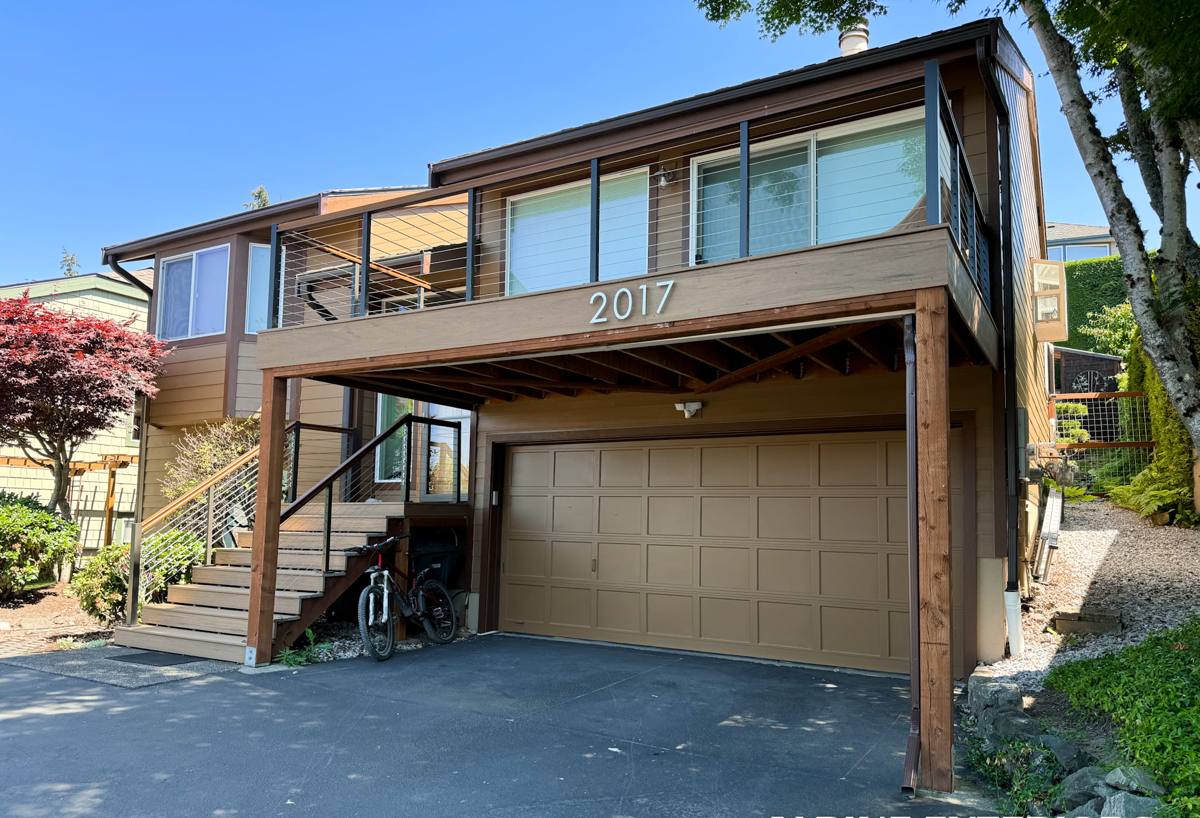
What Salt Air, Wind, and Moss Actually Do to Siding Over Time
Each of these factors attacks siding in a different way, and understanding the mechanism helps explain why some materials hold up and others don't.
Salt Air and Coastal Moisture
Airborne salt is corrosive to exposed metal fasteners, flashing, and trim if those components aren't properly rated or protected. It also tends to hold moisture against surfaces longer, which matters most for any siding material that swells, delaminates, or absorbs water at cut edges and seams.
Wind-Driven Rain
Storms coming off the water don't just wet the surface of a wall — they push water sideways and upward, testing every lap, seam, and piece of trim. Homes exposed to open water or wide fetch see more of this than sheltered inland lots. Weak points show up first at butt joints, corner boards, and anywhere flashing was skipped or done poorly.
Moss, Algae, and Prolonged Dampness
Whatcom County's long wet season, combined with shade from evergreen trees common in and around Birch Bay, keeps north-facing and shaded walls damp for extended periods. That supports moss and algae growth, which holds even more moisture against the siding surface and can accelerate deterioration on materials that aren't dimensionally stable or properly finished.
What a Correct Siding Replacement Actually Involves
Replacing siding is not just removing old boards and nailing up new ones. In a climate like this, the assembly behind the visible siding matters as much as the siding itself.
Weather-Resistive Barrier and Drainage Plane
A correctly installed weather-resistive barrier, lapped properly from bottom to top, gives the wall a second line of defense if any water gets past the siding. On homes taking direct wind-driven rain, this layer is not optional — it's what keeps a small leak from becoming rot in the sheathing.
Flashing at Every Penetration
Windows, doors, hose bibs, light fixtures, and vents all need flashing detailed to shed water outward, not funnel it behind the siding. This is one of the most common places we find deficiencies on tear-offs — flashing that was missing, undersized, or installed in the wrong order relative to the barrier.
Fastening and Clearances
Fastener type, spacing, and depth all affect how a wall performs over time, and proper ground clearance and gaps at grade, decks, and roof lines keep splash-back and standing moisture away from the bottom edge of the siding — a common failure point on coastal properties.
Why We Install Only James Hardie Fiber Cement Siding
We've made a deliberate choice to install James Hardie fiber cement exclusively, and it comes down to how this material performs specifically in conditions like Birch Bay's.
- Non-combustible core: Fiber cement doesn't feed a fire the way wood-based products can, which matters for wildfire ember exposure and general fire safety.
- Dimensional stability: Hardie's fiber cement doesn't swell, warp, or delaminate the way engineered wood or untreated wood products can when exposed to prolonged moisture and salt air.
- Climate-engineered product lines: James Hardie makes region-specific formulations (its HZ5 line for the Pacific Northwest's wetter, cooler climate) rather than a single one-size-fits-all product.
- Factory-applied ColorPlus finish: Baked-on rather than field-applied, it resists fading and moisture intrusion at the finish layer better than most site-applied paint systems, and it doesn't need repainting on the schedule wood or engineered wood siding does.
- Strong transferable warranty: A meaningful warranty only means something if the product and the installation both support it — Hardie's track record and factory backing give homeowners real protection, not just a piece of paper.
We don't install vinyl, LP SmartSide, Cemplank, Allura, or wood siding — not because every one of those products is without merit, but because we've settled on one system we can install to spec, warranty with confidence, and stand behind on a coastline that doesn't forgive shortcuts.
Our Siding Replacement Process for Birch Bay Homes
1. On-Site Assessment
We walk the exterior, check for soft spots, moisture damage, and failed flashing, and look at how the home is oriented to wind and water exposure. Coastal-facing and shaded walls often need extra attention.
2. Tear-Off and Sheathing Inspection
Old siding comes off down to the sheathing so we can actually see what's underneath. Any rot or moisture-damaged sheathing gets repaired or replaced before anything new goes up — covering damaged sheathing with new siding just hides a problem that will resurface.
3. Barrier, Flashing, and Drainage Details
We install the weather-resistive barrier and flashing system correctly the first time, with attention to every window, door, and penetration, and make sure the wall has a proper drainage path.
4. James Hardie Installation to Manufacturer Spec
Siding, fasteners, and trim go in according to James Hardie's published installation requirements — proper fastener spacing, clearances at grade and roof lines, and correctly lapped and caulked joints where required.
5. Final Walkthrough
We review the finished work with the homeowner and go over basic care so the siding performs the way it's designed to for decades, not just the first few years.
Comparing Siding Materials for a Birch Bay Home
| Material | Behavior in Salt Air / Wet Climate | Maintenance Burden | Typical Lifespan Here |
|---|---|---|---|
| James Hardie Fiber Cement | Dimensionally stable, resists moisture-driven swelling and delamination | Low — factory finish, occasional wash-down | Decades, per warranty |
| Vinyl | Doesn't rot, but can warp or crack under temperature swings and impact; seams are a moisture path | Low, but limited repair options if damaged | Variable, shorter in high-wind exposure |
| Wood / Cedar | Attractive but absorbs moisture; prone to rot and moss growth without diligent upkeep | High — regular refinishing and inspection | Shorter without consistent maintenance |
| Engineered Wood (LP SmartSide) | Treated to resist moisture but still wood-based; edge and seam sealing is critical | Moderate — depends on installation quality and upkeep | Depends heavily on installation and site exposure |
This table reflects general material behavior, not a claim that every installation of every product fails — installation quality and site exposure matter enormously. It's why our standard is a single, climate-matched, correctly installed system rather than a menu of options.
Signs Your Birch Bay Home May Need Siding Replacement
- Persistent moss or algae staining that returns shortly after cleaning
- Soft, spongy, or bubbling spots when you press on the siding
- Visible cracking, warping, or separation at seams and corners
- Paint or finish failing faster than expected, especially on shaded or water-facing walls
- Rising energy bills that suggest the wall assembly is no longer performing as insulation and a moisture barrier
- Visible gaps or missing flashing around windows, doors, or utility penetrations
- Interior signs like musty odors or staining near exterior walls
Why Hiring a Crew That Already Works Birch Bay Matters
Siding installation isn't generic — a crew that regularly works this stretch of Whatcom County coastline already understands how wind orientation, salt exposure, and shaded, moss-prone walls change the installation details on a given home. That experience shows up in where extra flashing gets added, how joints get detailed on the water-facing side of a house, and which corners never get cut, even when they'd be invisible once the siding is up. It also means a warranty backed by a crew that installed the job correctly the first time, not one that has to be chased down after problems appear.
If you're weighing a siding replacement for a Birch Bay home, we're happy to walk the property, point out what we see, and explain exactly what a correct James Hardie installation would involve for your specific home. There's no pressure and no obligation — just a straightforward look at what your siding needs. Use the form below to request a free estimate.