 Bellingham Siding
 Windows Built for Silver Beach's Particular Kind of Weather
Silver Beach sits close enough to the water that homes here take a different kind of beating than houses a few miles inland in Bellingham. Salt-laden air works on metal hardware and finishes. Driving rain off Whatcom County storms finds every gap in a tired window frame. And the shade, moisture, and mild temperatures that make this such a pleasant place to live also make it prime territory for moss and algae to colonize sills, tracks, and exterior trim for most of the year. None of that is a reason to panic about your windows — but it is a reason to think carefully about what "custom windows" should actually mean for a house in this specific neighborhood, rather than treating it like a generic replacement job.
A window that performs fine in a drier climate can fail quietly here — not by shattering, but by fogging between panes, letting moisture into the wall cavity, or seizing up so badly that opening it becomes a two-hand job. Custom windows done right account for all of that from the start.
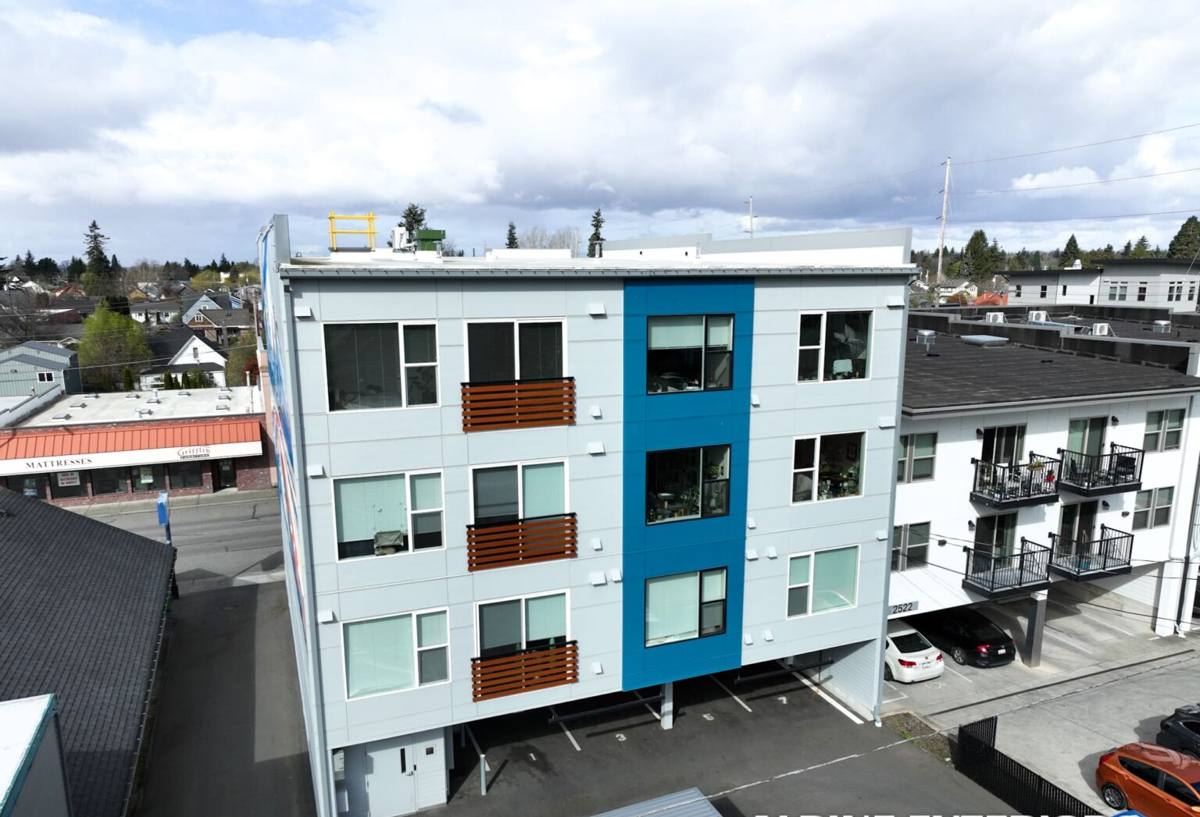
What This Climate Actually Does to a Window Over Time
Salt Air and Metal Components
Hardware — hinges, locks, balances, cranks — is usually the first thing to show wear near the water. Cheaper coatings corrode faster, and once a lock or crank starts binding, homeowners tend to force it, which accelerates the failure. Good custom window work means choosing hardware finishes and materials that are rated for coastal exposure, not just whatever came standard in the catalog.
Driving Rain and Wind-Driven Water
Storms here don't just fall straight down — wind pushes rain sideways into siding and window openings. If flashing, sealant, and the window's own weather-stripping aren't installed correctly, water gets behind the frame instead of running off it. That's how you end up with soft trim, stained interior sills, or drywall damage that shows up long after the actual leak started.
Moss, Algae, and Prolonged Moisture
Shaded exposures and long damp stretches let moss and algae take hold on sills, tracks, and nearby trim. Beyond the cosmetic issue, that growth holds moisture against wood and painted surfaces, which shortens the life of anything not built or finished to resist it.
What "Custom" Should Mean on a Job Like This
"Custom" gets used loosely in this industry. For us, it means three specific things on a Silver Beach project:
- Custom sizing — measured and built to your actual openings, not the nearest stock size with shims and extra caulk making up the difference.
- Custom material and glass selection — chosen for your home's specific exposure to sun, wind, and moisture, not a one-size-fits-all default.
- Custom detailing at the opening — flashing, sill pan, and sealant work matched to your existing wall assembly and siding type, since a lot of window failures start at the installation, not the product itself.
A well-built window installed poorly will still leak and fail early. A modest window installed correctly, with the right flashing and sealing details for this climate, often outperforms it. Both the product and the installation matter, and we treat them as equally important.
Material and Glass Options for This Climate
There's no single "best" window material — the right choice depends on your home's exposure, your maintenance appetite, and your budget. Here's how the common options stack up for a coastal Bellingham property:
| Material | Moisture / Salt Air Resistance | Maintenance | Typical Lifespan |
|---|---|---|---|
| Vinyl | Good — won't rust or rot | Low — occasional cleaning | 20-30 years |
| Fiberglass | Very good — stable in moisture and temperature swings | Low | 30-40 years |
| Wood | Fair — needs a sound finish and upkeep to resist rot and moss | High — regular refinishing | Varies widely with upkeep |
| Wood-clad (wood interior, metal or vinyl exterior) | Good on the exterior face; interior still needs care | Moderate | 25-35 years |
| Aluminum | Prone to corrosion near salt air unless well-coated | Moderate | Varies; hardware often fails before the frame |
Glass matters as much as frame material. For a home taking direct weather off the water, we generally recommend a quality double-pane unit with a low-E coating and an argon fill as the practical baseline, with triple-pane as an upgrade for rooms that are especially exposed to wind or noise. The seal quality between panes matters more here than almost anywhere — a failed seal shows up as fogging, and once that happens the insulated glass unit needs to be replaced, not just cleaned.
Common Frame Colors and Finishes
Darker exterior finishes absorb more heat, which can accelerate expansion and contraction cycling in some materials. We'll talk through finish and color choices with your specific exposure in mind, not just what looks good on a sample chip.
Signs Your Current Windows Are Already Struggling
Before recommending replacement, we look for real evidence that a window is failing, not just its age. Signs worth taking seriously include:
- Fogging or a milky haze between the panes of an insulated unit — the seal has failed and it can't be repaired, only replaced
- Windows that are difficult to open, close, or lock without extra force
- Visible moss or persistent green staining on the sill or surrounding trim
- Soft, discolored, or bubbling paint on interior or exterior trim near the frame
- A noticeable draft or cold spot near the window even when it's fully closed
- Condensation forming on the interior glass regularly, especially in winter
- Visible daylight or gaps around the frame from outside
Any one of these on its own might just need attention, not full replacement. Several of them together, especially on an older window, usually means the unit has reached the end of its useful life.
How We Approach a Custom Window Job in Silver Beach
Our process is the same discipline on every job, but the details we pay closest attention to are shaped by this neighborhood's exposure:
- On-site assessment. We look at each opening individually — sun exposure, wind exposure, any existing moisture or moss issues, and the condition of the surrounding siding and trim.
- Material and glass recommendation. We walk through the honest trade-offs between options for your specific exposure and budget, not a blanket recommendation for the whole house.
- Precise measurement. Every opening gets measured on its own; older homes especially can have openings that aren't perfectly square or consistent from room to room.
- Removal and opening prep. We check the condition of the framing and sheathing once the old window is out, since this is often the only chance to catch hidden moisture damage before it's covered back up.
- Flashing and sealing. This is where most long-term failures actually start, so we pay particular attention to proper sill pan flashing and weather-resistant barrier integration before the new window goes in.
- Installation and adjustment. The window goes in square, level, and properly shimmed, with hardware adjusted so it operates smoothly from day one.
- Final weatherproofing and cleanup. Exterior sealant, trim work, and a final check of operation and fit.
What Drives the Cost of a Window Job Here
Pricing on custom window work varies more than people expect, and it's rarely just about the window unit itself. Homeowners in Silver Beach should expect these factors to matter most:
| Factor | Why It Affects Cost |
|---|---|
| Number and size of openings | More and larger windows mean more material and labor |
| Material choice | Vinyl, fiberglass, and wood-clad options carry different price points |
| Glass package | Double-pane low-E vs. triple-pane vs. specialty coatings changes cost per unit |
| Condition behind the old window | Hidden rot or moisture damage found during removal adds repair work |
| Access and height | Second-story or hard-to-reach openings take more time and equipment |
| Trim and siding tie-in | Matching or repairing existing exterior trim adds labor |
We'll give you a broad, honest range up front based on a real look at your home, and flag anything — like suspected hidden moisture damage — that could change the number before we start.
Why It Matters That We Already Work This Neighborhood
There's a real difference between a crew that installs windows generically and one that's spent time working on homes in this specific part of Bellingham. We already know which exposures tend to collect moss first, which flashing details actually hold up against wind-driven rain off the water, and what kind of hardware corrosion to expect from salt air over a few winters. That familiarity shows up in small decisions — the sealant we choose, how we detail a sill pan, which hardware finish we recommend — that add years to a window's service life in this climate.
It also means faster, more accurate estimates. We're not guessing at what a Whatcom County coastal exposure does to a window over time — we've seen it directly, on homes near yours.
Maintaining Your New Windows in This Climate
Even the best window benefits from basic upkeep in a moss-and-salt-air environment. Rinsing sills and tracks periodically, keeping nearby vegetation trimmed back to reduce shade and moisture buildup, and checking exterior sealant every year or two for cracking will meaningfully extend the life of any installation. We'll walk you through what to watch for on your specific windows once the job is done.
If your Silver Beach home has windows that are drafty, fogged, hard to operate, or just due for an honest look, we're happy to come take a look and put together a free, no-pressure estimate — use the form below to get started.