 Bellingham Siding
 Board & Batten Siding Built for Sudden Valley's Setting
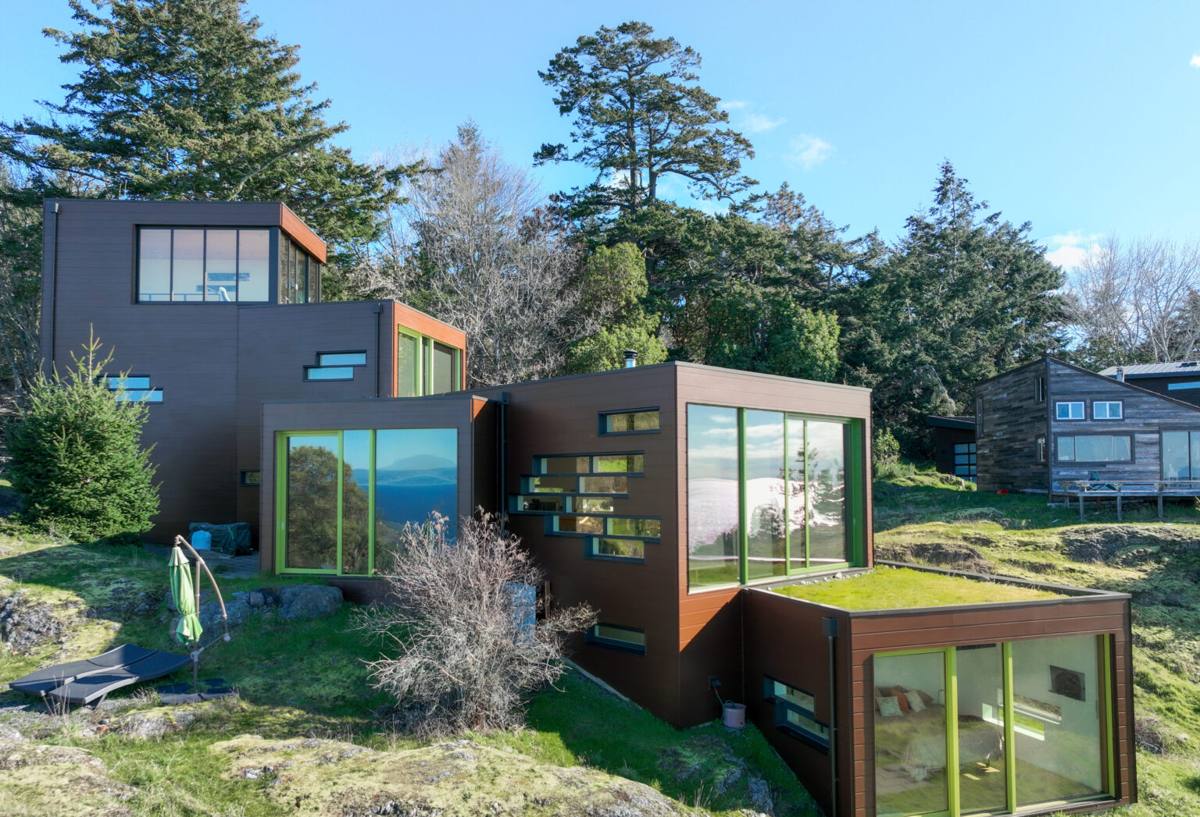
Sudden Valley sits in a heavily wooded, lake-adjacent pocket of Whatcom County, and that setting shapes what siding actually needs to do here. Tree canopy holds moisture against exterior walls longer than it lingers on an open lot, shaded north- and east-facing walls stay damp well into the afternoon, and the vertical lines of board and batten siding have become a popular match for the area's cabin-and-craftsman architecture. It's a good-looking profile, but it's also an unforgiving one if it isn't installed correctly — every batten is a seam, and every seam is a place water can find its way behind the cladding if the details aren't right.
We work in Sudden Valley regularly, and we treat board and batten as a system, not just a look. That means thinking about drainage, fastening, and material choice together, specifically for what this stretch of Bellingham and Whatcom County throws at a house year-round.
What This Climate Does to Board & Batten Siding Over Time
Rain That Doesn't Let Up
Western Washington's long wet season means siding here spends far more cumulative hours saturated than siding in drier climates. Board and batten's vertical battens create narrow channels where water can pool or wick upward if the drainage plane behind the siding isn't properly built, or if battens are face-nailed without room to move.
Shade, Humidity, and Moss
Mature tree cover around many Sudden Valley lots keeps walls shaded and slow to dry. That combination of moisture and shade is exactly what moss, algae, and mildew need to take hold on painted wood or lower-grade composite products. Moss doesn't just look bad — it holds water against the substrate and accelerates rot underneath if the siding material can't tolerate sustained dampness.
Coastal and Marine Air
Like much of the greater Bellingham area, this part of Whatcom County sits within reach of marine air off the Sound. Salt-tinged moisture accelerates corrosion of fasteners, trim flashing, and any metal components in a siding assembly, which is part of why fastener choice and flashing details matter as much as the siding panel itself.
What a Correct Board & Batten Installation Actually Involves
Board and batten looks simple from the curb — vertical boards, battens over the seams — but a correct installation has several layers most homeowners never see:
The Drainage Plane
A weather-resistant barrier goes on the wall first, and in a climate like this we install a rainscreen gap (a vertical furring strip or drainage mat) behind the siding whenever the wall assembly allows it. That gap lets any moisture that does get past the cladding drain and dry out instead of sitting against the sheathing.
Fastening and Expansion
Fiber cement expands and contracts with temperature and moisture far less than wood, but it still needs to be fastened according to the manufacturer's pattern — correct nail spacing, correct penetration into framing or proper blocking, and battens fastened so they don't trap the board rigidly in place. Getting this wrong is one of the most common causes of cracking and popped fasteners we see on board and batten jobs done by crews unfamiliar with the product.
Flashing at Every Transition
Window and door head flashing, kick-out flashing where a roofline meets a wall, and proper flashing at the base of the wall are what keep water from ever reaching the sheathing in the first place. On a vertical profile like board and batten, horizontal joints (where a board ends partway up a wall) need Z-flashing or a similarly engineered detail — not just caulk.
Sealed Ends and Cut Edges
Factory-finished fiber cement comes primed and coated on the face, but any field cut exposes raw material that needs to be sealed before installation. Skipping this step is a shortcut that shows up as staining and early wear within a few wet seasons.
Why We Install This Only in James Hardie Fiber Cement
Board and batten is available in vinyl, engineered wood, and several fiber cement brands, but we install James Hardie exclusively, and it's a deliberate standard rather than a default. Hardie's fiber cement is non-combustible, it's engineered for Pacific Northwest moisture rather than a generic national spec, and the ColorPlus factory finish is baked on under controlled conditions rather than field-sprayed — which matters a great deal on a profile with as many batten edges and seams as this one has.
Vinyl board and batten is lightweight and inexpensive, but it flexes, it can't hold paint if you ever want to change the color, and its seams and fastening slots are built around expansion room that shows as waviness over time — cosmetically, that's a hard trade-off on a profile whose whole appeal is crisp, straight vertical lines. Engineered wood and primed spruce board and batten look great initially but depend entirely on an intact paint film to keep moisture out, which is a maintenance commitment that doesn't fit a shaded, high-moisture, moss-prone setting like this one. We'd rather put a product on a Sudden Valley home that's engineered to handle the climate than sell a homeowner a siding job we know will need paint and caulk attention every few years.
Our Process for a Sudden Valley Board & Batten Project
- On-site assessment — we look at sun exposure, tree cover, existing moisture damage, and how water currently moves around the house before we talk product or price.
- Removal and wall inspection — old siding comes off and the sheathing underneath gets checked for rot or soft spots before anything new goes up. This step catches problems that a surface-level bid would miss entirely.
- Weather barrier and drainage plane — house wrap and, where the assembly calls for it, a rainscreen gap go in before a single board is hung.
- Flashing at every penetration — windows, doors, roof-to-wall intersections, and horizontal board joints all get flashed to manufacturer spec, not just caulked.
- Board and batten installation — Hardie boards and battens go up per the fastening schedule for our wind and exposure conditions, with proper gaps for the product's minor expansion.
- Sealing and trim — cut edges are sealed, trim is finished, and touch-up matched to the factory ColorPlus finish where needed.
- Final walkthrough — we go over the finished job with the homeowner before we consider it done.
Board & Batten vs. Other Siding Profiles: What Actually Changes
Homeowners comparing board and batten to lap or shingle siding are often comparing looks, but the cost and maintenance factors underneath differ too:
| Factor | Board & Batten | Lap Siding | Shingle Siding |
|---|---|---|---|
| Installation complexity | Higher — more seams and battens to detail correctly | Moderate — fewer vertical transitions | Higher — labor-intensive per-shingle install |
| Moisture-critical details | Batten seams, horizontal board joints | Lap overlaps, corner trim | Overlap consistency, exposure depth |
| Visual style | Vertical, cabin/craftsman feel | Traditional, widely used | Textured, cottage feel |
| Moss/algae visibility | Shows on flat board faces | Shows along horizontal reveals | Less visible due to shadow lines |
None of these are wrong choices — the right one depends on the home's architecture and how much shade and moisture exposure a given wall actually sees.
Maintenance Checklist for Board & Batten in a Whatcom County Climate
Even correctly installed fiber cement benefits from periodic attention, especially on shaded or lake-facing walls:
- Rinse moss and algae growth off with a garden hose and soft brush rather than a pressure washer, which can force water behind the siding
- Check caulking at window and door trim annually and re-caulk any cracked or shrunken joints
- Trim back tree branches and vegetation that keep a wall shaded and slow to dry
- Look at the base of the siding near grade for splashback staining, which signals a drainage or gutter issue rather than a siding failure
- Have gutters and downspouts checked before the wet season so overflow doesn't run down the face of the siding
- Touch up any exposed cut edges or fastener heads if factory finish gets scratched during other exterior work
Why Hiring a Crew That Already Works Sudden Valley Matters
Sudden Valley's terrain and layout aren't the same as installing siding on a flat in-town lot — driveway access, tree clearance, and staging space vary a lot from property to property, and a crew that's already worked in the neighborhood knows what to expect before the truck even arrives. Some properties here also fall under a community association with its own design or exterior-change guidelines, so it's worth checking whether your property needs sign-off before work starts.
Familiarity with the area also means we've already seen how board and batten performs on similar homes a few years after installation — which walls hold moss, which orientations need more drainage attention, and which details are worth the extra time up front. That's the kind of judgment that only comes from actually working the area, not from a generic bid.
Get a Straight Answer for Your Sudden Valley Home
If you're considering board and batten siding for a home in Sudden Valley, we're happy to walk the property, look at how sun and shade actually hit your walls, and give you a straightforward, no-pressure estimate — no upsell, just an honest read on what your home needs. Use the form below to get started.