 Bellingham Siding
 Why Sunnyland Roofs Wear the Way They Do
Sunnyland sits close enough to Bellingham Bay that salt-laden air is a constant factor, and it's shaded by enough mature tree canopy that moss, needle litter, and shade-driven moisture are a constant factor too. Add Whatcom County's long wet season and you get roofs that age faster here than the same materials would twenty miles inland. We've worked on homes throughout this neighborhood long enough to know which streets hold shade until noon, which roofs face the prevailing weather off the water, and which older homes still have original ventilation that was never adequate for how wet our winters actually run.
A roof replacement here isn't just "the same job as anywhere else, but in Bellingham." The materials, the underlayment strategy, and the ventilation plan all need to account for a specific combination of moisture, shade, and salt exposure that a generic roofing crew from outside the area often misses on the first pass.
What the Local Climate Actually Does to a Roof
Salt Air and Metal Fatigue
Homes closer to the water deal with airborne salt that accelerates corrosion on exposed fasteners, flashing, and any metal roofing components that aren't rated for coastal exposure. It's a slow process, but over 15-20 years it shows up as rust streaking, pitted fastener heads, and flashing that fails before the field material does.
Driving Rain and Wind-Driven Water Intrusion
Bellingham doesn't just get rain — it gets rain pushed sideways by wind off the Strait and the bay. That matters because a roof that would shed water fine in a calm, straight-down rainfall can still let water travel sideways or upward under shingle tabs, around chimneys, and at wall-to-roof transitions if the underlayment and flashing details aren't built for wind-driven moisture specifically.
Moss Season
Between the shade cover common in Sunnyland and Western Washington's mild, wet winters, moss has a long growing window here — often eight or nine months of the year with conditions favorable to it. Moss holds moisture against the roof surface, lifts shingle edges as it grows, and works its way under flashing over time. A roof that isn't detailed to resist moss establishment will need moss treatment or removal on a recurring basis regardless of how good the shingle itself is.
Signs a Sunnyland Roof Needs Replacement, Not Just Repair
Not every problem roof needs a full tear-off. But there's a point where patching becomes false economy — where you're paying repair costs on a system that's already failed structurally or is one bad storm away from a bigger loss. Here's what tells us a roof has crossed that line:
- Granule loss heavy enough that you can see bare asphalt on multiple slopes, not just one worn patch
- Moss or algae growth that returns within a season of cleaning, especially on north-facing or shaded slopes
- Soft or spongy decking felt underfoot during inspection — a sign water has already reached the sheathing
- Daylight visible through the roof deck from inside the attic
- Curling, cupping, or cracked shingles across large sections rather than isolated spots
- Flashing that's separated, rusted through, or was never properly integrated at chimneys, skylights, and sidewalls
- A roof already past 20-25 years old with two or more of the above present
- Interior ceiling staining that recurs after rain events, indicating an ongoing rather than one-time leak
If your roof shows one or two of these in isolation, a repair may still make sense. If it shows several at once, replacement is usually the more honest recommendation — both for your wallet over the next five years and for what's happening to the framing underneath that you can't see from the ground.
Choosing a Roofing System for This Neighborhood
There's no single "best" roofing material — there's a best material for your specific roof's exposure, slope, and budget. For Sunnyland's mix of tree-shaded lots and bay-facing exposure, here's how the common options actually compare in practice:
| Material | Moss Resistance | Wind-Driven Rain Performance | Salt Air Durability | Typical Lifespan Here |
|---|---|---|---|---|
| Standard 3-tab asphalt | Low — flat profile holds moisture | Adequate with proper underlayment | Fasteners need corrosion-resistant coating | 15-20 years |
| Architectural (laminate) asphalt | Moderate — better shedding profile | Good | Fasteners need corrosion-resistant coating | 25-30 years |
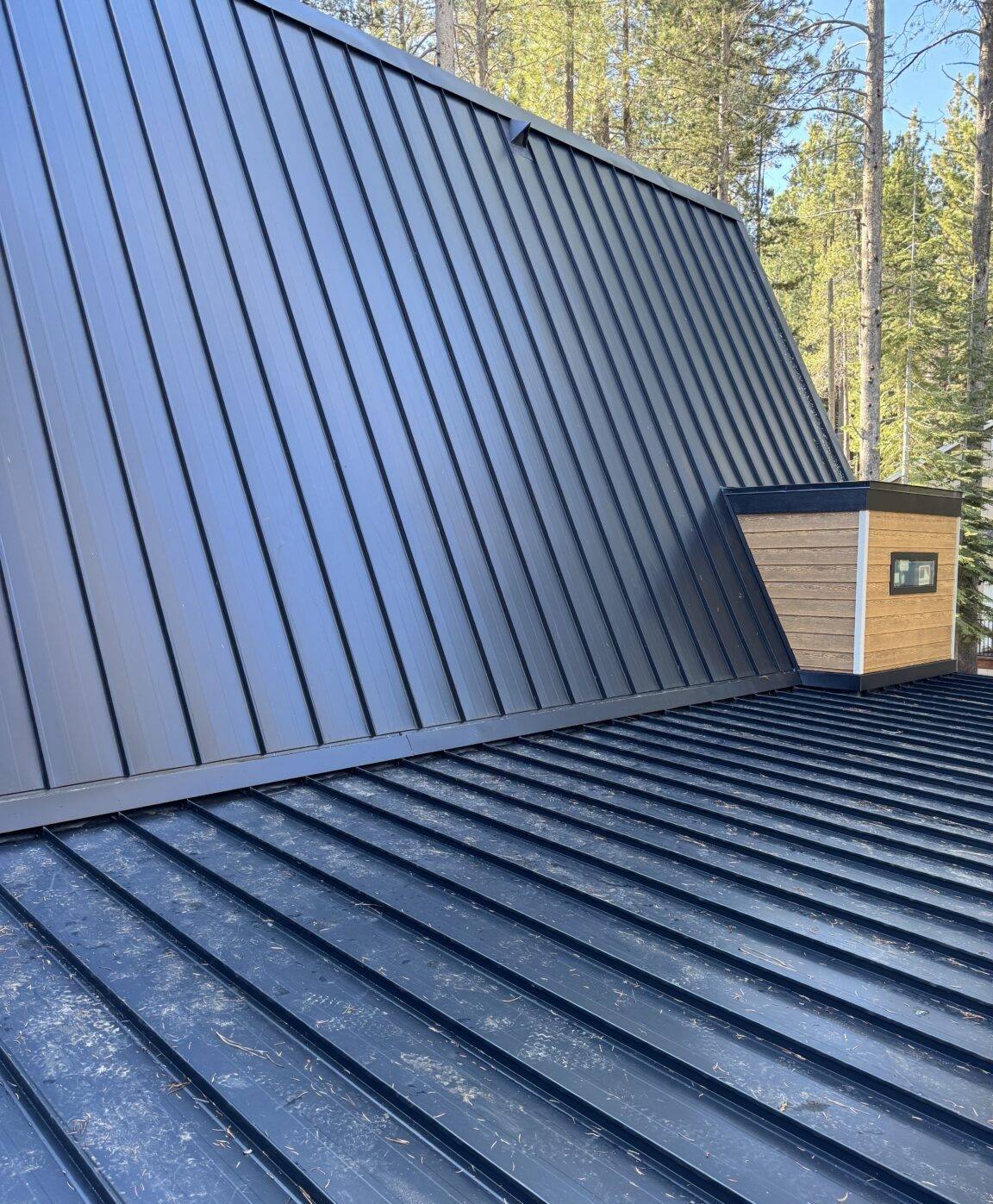
| Standing seam metal | High — smooth surface sheds moss | Excellent when properly seamed | Requires marine-grade coating near the bay | 40-50+ years |
| Composite/synthetic shake | Moderate to high | Good | Generally stable, check fastener spec | 30-40 years |
For most Sunnyland homes, we steer people toward architectural asphalt or standing seam metal, depending on budget and how close the home sits to the water. Architectural shingle gives the best value-to-performance ratio for typical inland Sunnyland lots. Metal earns its higher upfront cost on homes with heavier shade, steeper moss pressure, or direct bay exposure, because it simply gives moss and salt less to work with. We don't push one product on every job — we look at your roof's actual exposure and tell you honestly where the extra cost buys real performance versus where it doesn't.
What a Correct Tear-Off and Replacement Actually Involves
A roof replacement is more than swapping old shingles for new ones. Done right, it's a full system rebuild:
- Full tear-off to bare decking — never a layover on top of failing material, which traps moisture and hides deck damage
- Deck inspection and repair of any soft, delaminated, or rotted sheathing found once the old roofing is removed
- Ice-and-water shield at eaves, valleys, and roof penetrations — the areas most exposed to wind-driven rain and ice damming
- Synthetic underlayment across the full deck as the primary water barrier beneath the shingles
- Flashing replacement at every chimney, skylight, sidewall, and roof-to-wall transition — reused old flashing is one of the most common causes of early leaks
- Ventilation correction — intake and exhaust balanced so the attic isn't trapping moisture against the new deck
- New field material installed to manufacturer spec, including proper nailing pattern and exposure for wind resistance
- Cleanup and magnetic sweep of the property for debris and stray fasteners
Skipping any one of these steps is usually invisible on installation day and expensive two or three winters later. This is where a lot of the cost difference between quotes actually comes from — not the shingle brand, but whether the underlying system is being rebuilt correctly or just resurfaced.
Ventilation: The Step Most Often Skipped
Older homes in this part of Bellingham frequently have attic ventilation that was adequate when the house was built decades ago but doesn't meet the airflow a modern, tighter building envelope needs. Poor ventilation traps warm, moist air against the underside of the roof deck, which accelerates deck rot from the inside and can void shingle warranties that require balanced intake and exhaust. During a replacement, we check ridge and soffit ventilation as a matter of course — not as an upsell, but because installing a new roof over an unventilated deck sets the same failure back up on a timer.
Our Process, Start to Finish
1. On-Site Estimate
We inspect the existing roof, the attic, and the decking condition where accessible, and give you a written estimate that spells out material, scope, and what we found — not just a number.
2. Material Selection
We walk through the options relevant to your home's exposure and budget, with straight talk about where a cheaper material will and won't hold up given your specific slope and shade situation.
3. Scheduling Around Bellingham Weather
We plan tear-off days around forecast windows rather than fixed dates, and we tarp and dry-in exposed decking the same day if weather turns — an open deck overnight in this climate is not a risk we take.
4. Installation
Full tear-off, deck repair, underlayment, flashing, and field installation as outlined above, with the crew lead available to answer questions as the job progresses.
5. Final Walkthrough and Cleanup
We walk the finished roof and the property with you, confirm everything matches the estimate, and make sure the yard is clear of debris and fasteners before we consider the job done.
Why Local Experience in Sunnyland Matters
A crew that's worked this specific neighborhood knows things a generic estimate can't capture from a satellite photo: which blocks hold shade long enough that moss pressure is heavier than average, how close a given lot sits to salt air exposure off the bay, and what the older housing stock's original decking and ventilation tends to look like once you get the old roofing off. That local pattern recognition shows up in more accurate estimates and fewer surprises once the tear-off starts. It also means we're a short drive away if a warranty question or storm-related concern comes up later — not a company that did one job in the area and moved on.
Maintenance After Your New Roof Is Installed
A correctly installed roof still benefits from basic upkeep, especially given how long moss season runs here:
- Clear gutters and downspouts at least twice a year, more often under heavy tree cover
- Have moss growth addressed early, before it lifts shingle edges — don't wait for a visible mat to form
- Keep overhanging branches trimmed back to reduce shade, debris, and physical abrasion on the roof surface
- Schedule a visual inspection after any major windstorm, particularly checking flashing and ridge lines
- Avoid pressure washing the roof surface directly — it can strip granules and shorten shingle life
If you're weighing repair versus replacement, or just want an honest read on where your Sunnyland roof stands, we're happy to take a look and walk you through what we find. Reach out for a free, no-pressure estimate using the form below.