 Bellingham Siding
 Deck Replacement for York Homes: What Bellingham's Climate Has Already Done to Yours
York is one of Bellingham's older, established residential neighborhoods, and a lot of the housing stock here has been standing for decades. Attached decks age right alongside the house, and in this part of Whatcom County that aging process moves faster than it would somewhere drier and calmer. Salt-tinged air off the bay, rain that comes in sideways more often than straight down, and a moss season that barely takes a break most years all work on an exposed deck structure in ways that aren't always obvious from the top.
By the time a deck in York looks like it needs attention, the framing underneath has usually needed it for a while already. This page covers what York's climate actually does to a deck over time, how to tell when repair stops making sense and replacement takes over, what a correct replacement job involves, and why hiring a crew that already works this neighborhood makes a real difference in the outcome.
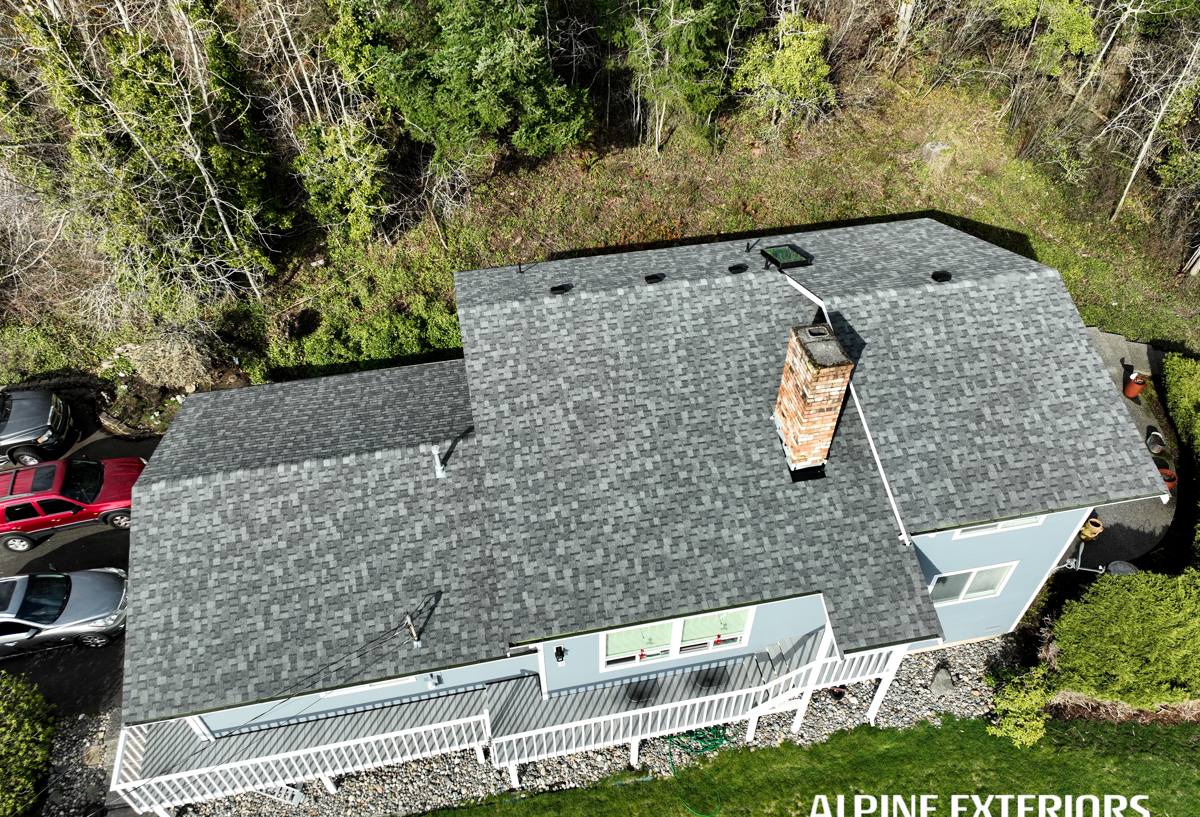
What Bellingham's Climate Does to an Aging Deck
Salt Air and Sustained Moisture
Bellingham's setting near the bay means most of York gets a steady flow of moisture-laden, salt-tinged air even on days without a storm. Over years, that exposure corrodes exposed fasteners, ledger bolts, and joist hardware from the inside out, often well before any visible rust shows on the surface. A deck that was fastened correctly when it was built twenty or thirty years ago may already be losing structural holding strength in ways a homeowner has no easy way to see.
Wind-Driven Rain
Rain in this part of Whatcom County doesn't just fall straight down; wind pushes it sideways and drives it up under railings, behind ledger boards, and between deck boards that were never gapped for drainage in the first place. Older decks built before that detail was standard practice tend to trap water right where the deck ties into the house, which is exactly the connection point that matters most structurally.
A Long Moss and Mildew Season
Mild temperatures and near-constant dampness give moss and mildew an extended growing season on horizontal surfaces across York, and a deck surface holds water longer than a wall does between rain events. On older wood decking especially, moss buildup isn't just cosmetic — it holds moisture against the board and accelerates the rot underneath a surface that may still look sound from a few feet away.
Signs Your York Deck Needs Replacing, Not Repairing
Some deck problems are legitimately fixable with a repair. Others are signs the whole structure has reached the end of its service life. A few things worth checking before deciding which situation you're in:
- Soft or spongy spots in the decking or framing when you walk across them, especially near the house or in shaded corners
- Railing posts that flex or wiggle when pushed, rather than staying rigid
- Visible gaps, rust streaks, or staining around the ledger board where the deck meets the house
- Fasteners or joist hangers showing corrosion, especially anything original to a deck more than fifteen or twenty years old
- Persistent moss or dark staining that comes back within weeks of cleaning it off
- Stairs that feel less solid than they used to, or noticeably more give in the stringers
- A deck that was never permitted or inspected when it was originally built
One or two of these on their own might mean a repair is still on the table. Several at once, especially anything involving the ledger connection or main support posts, usually means the honest answer is a full replacement rather than a patch that buys another year or two.
Why Older Decks in This Neighborhood Often No Longer Meet Code
Deck construction standards have changed a fair amount over the past few decades, and a lot of York's housing stock has decks that predate the current requirements by a wide margin. This isn't a knock on whoever built the original deck — it's just that the code, and the industry's understanding of what actually fails in a wet coastal climate, has moved on since then.
A few of the areas we see most often on older York decks:
- Ledger attachment and flashing: Many older decks are lag-bolted to the house with no self-adhering flashing membrane behind the ledger board at all, which is one of the most common places water tracks into the house framing over time.
- Footing depth: Older post footings weren't always poured to a depth that accounts for frost and soil movement the way current standards call for, which shows up later as a deck that shifts or settles unevenly.
- Joist hangers: Toe-nailed joists were common practice decades ago; current framing standards call for proper hangers rated for the load and span.
- Guardrail height and baluster spacing: Rail height and the gap between balusters have both gotten stricter over time, mostly for basic fall safety on raised decks.
A full replacement is a chance to bring all of this up to current standard at once, rather than discovering these issues piecemeal during future repairs.
Choosing a Replacement Decking Material for York's Climate
Once the structure is being rebuilt, the decking surface itself is the other half of the decision. The three categories most York homeowners weigh are wood, capped composite, and cellular PVC, and the right call usually comes down to how much upkeep you want to take on against how much you want to spend up front.
| Material | Handling Salt Air & Moisture | Moss Resistance | Ongoing Upkeep |
|---|---|---|---|
| Cellular PVC | Excellent — no wood fiber to absorb moisture | Strong, smooth non-porous surface | Occasional washing |
| Capped composite | Strong — cap layer resists moisture and staining | Good on most product lines | Occasional washing |
| Uncapped composite | Moderate — some moisture absorption at exposed fiber | Fair; more prone to buildup over time | Periodic cleaning |
| Cedar | Moderate — natural resistance, but needs regular sealing | Fair when sealed and maintained | Regular oiling or sealing |
| Pressure-treated wood | Weak against sustained salt exposure over time | Poor without regular treatment | Regular sealing or staining |
Wood is the traditional choice and the lowest upfront cost, but it asks the most of you afterward — regular sealing or staining to hold up against York's moisture load. Capped composite trades a higher material cost for a lot less maintenance, since the cap layer handles the moisture and staining resistance that unsealed wood can't. Cellular PVC costs more still but contains no wood fiber at all, which matters most on decks that sit in heavy shade or close to grade where moisture lingers longest.
What a Correct Deck Replacement Actually Involves
Replacing a deck is more than pulling up old boards and screwing down new ones. Done right, a full replacement in York includes:
- Complete tear-off of the old decking, railing, and any framing that's compromised
- Inspection of the ledger connection and house framing behind it, since that's where hidden moisture damage most often turns up
- New footings poured to current depth and load requirements, not just reused from the original build
- Corrosion-resistant fasteners and joist hangers throughout, sized for the actual span and load rather than whatever was on hand
- Self-adhering flashing membrane behind the new ledger board, installed as part of the house's water management, not as an afterthought
- Correct board gapping for drainage, so wind-driven rain and standing moisture can actually shed and dry between boards
- Guardrail and baluster spacing brought up to current standard on any raised deck
Skipping any of these still produces a deck that looks finished on day one. The difference shows up years later, in exactly the same failure points the old deck had — just delayed instead of solved.
How Our Replacement Process Works
We start with a site visit to look at the existing deck's actual condition — the ledger connection, post and footing condition, framing underneath, and how the site sits relative to sun, wind, and drainage. That inspection tells us honestly whether you're looking at a full replacement or whether a targeted repair is genuinely enough, and we'll tell you which one it is rather than defaulting to the bigger job.
From there we talk through decking material options against your budget and how the space actually gets used, and we handle permitting through the City of Bellingham as part of the job rather than leaving it for you to sort out. The build itself follows the sequence above — tear-off and structural work first, since that's what determines how long the finished deck actually lasts, then the decking surface, railing, and any stairs or trim. We finish with a walkthrough covering what your specific material needs going forward, which for most modern decking is minimal but not nothing.
Deck Replacement Cost Factors in York
| Factor | What It Affects | Why It Matters Here |
|---|---|---|
| Extent of structural damage found at tear-off | Framing and footing replacement scope | Older York decks with no ledger flashing often have more hidden damage than expected |
| Decking material chosen | Material cost and long-term upkeep | Salt air and moss pressure widen the real-world gap between materials here |
| Deck size and height | Footing count, railing length, stair complexity | Elevated decks need additional guardrail and structural attention |
| Ledger and house connection condition | Flashing and structural repair at the tie-in point | This is the single most common source of hidden moisture damage in the area |
| Permitting and code upgrades needed | Footing depth, guardrail spec, structural sign-off | Many older York decks predate current code by decades |
Why It Matters That We Already Work in York
A crew that mostly builds and replaces decks in drier, more sheltered areas can still do competent work, but a York deck replacement has variables that don't show up as often elsewhere — ledger connections with no original flashing, footings that were never poured to current depth, and a moss season long enough that cosmetic problems and structural ones can look similar from a distance. Working this neighborhood regularly means we're not guessing at what a York deck's history probably looks like before we've even pulled the first board.
That familiarity shows up in the smaller judgment calls too — knowing which parts of an older deck are worth inspecting closely before quoting a price, and being straightforward about whether a repair will actually hold or whether it's just delaying the same replacement by a year or two.
Get a Straight Answer About Your Deck
Whether your York deck is showing its age, failed an inspection, or you just want an honest read on whether repair or replacement makes more sense, we're happy to take a look and lay out the options plainly. Reach out below for a free, no-pressure estimate.