 Bellingham Siding
 Storm Damage Roof Repair, Built for York's Weather
York sits close enough to Bellingham Bay and the Salish Sea that its roofs take a different kind of beating than homes further inland. Salt-laden air moves through on the wind, driving rain comes in sideways during winter storms, and the tree cover that makes the neighborhood pleasant also means roofs stay shaded and damp for long stretches of the year. That combination is hard on shingles, flashing, and fasteners in ways that a generic storm repair approach doesn't always account for.
When we repair storm damage on a York roof, we're not just patching what a wind event or a hard rain exposed. We're looking at how that damage happened in the context of a roof that's already dealing with salt air corrosion, moss growth, and near-constant moisture cycling. A repair that ignores those factors tends to fail again within a season or two.
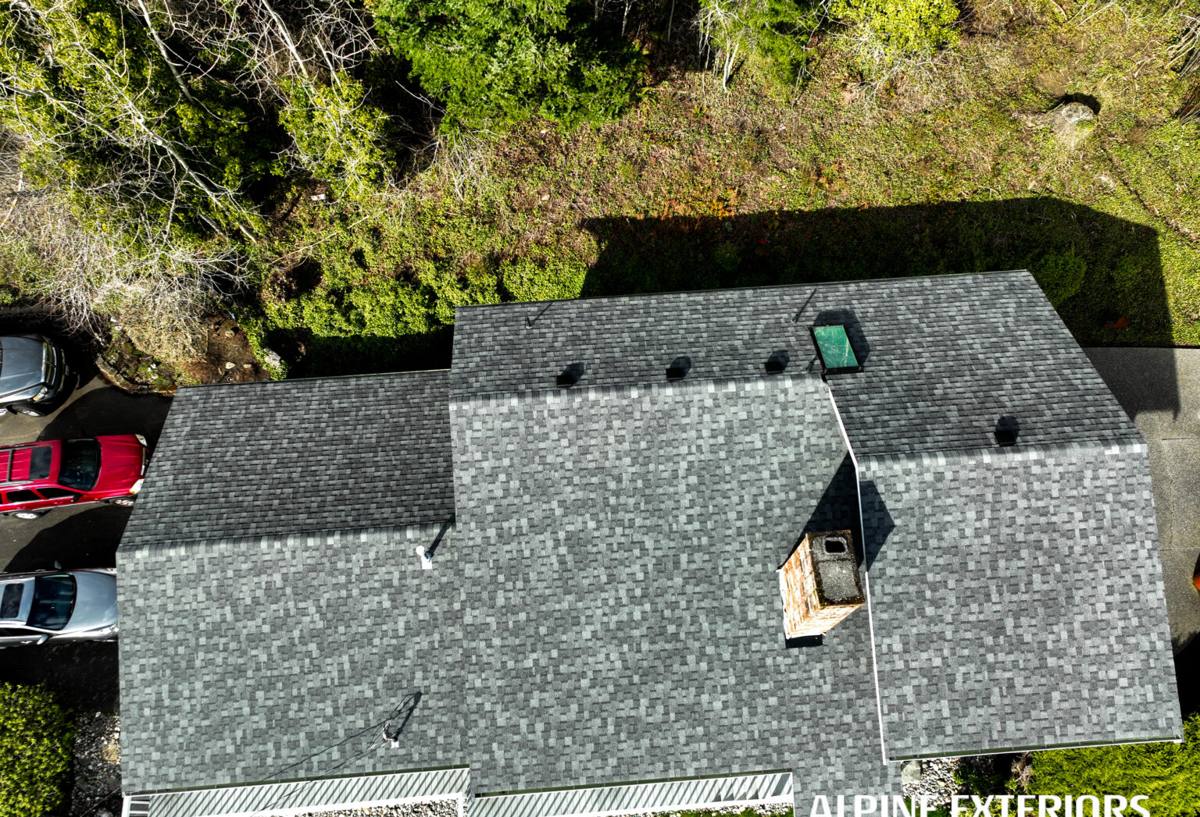
What Whatcom County Storms Actually Do to a Roof
Storm damage in this part of Washington rarely looks like the dramatic wind-off-the-roof damage you see in hurricane country. It's usually more subtle, and that's part of what makes it easy to miss.
Wind and Driving Rain
Winter storms off the Strait of Georgia bring sustained wind combined with heavy rain, and that combination is what causes most of the storm damage we see. Wind alone can lift shingle edges without fully removing them. Add driving rain and that lifted edge becomes an entry point for water, which then travels along the underlayment or decking before it ever shows up as a stain on a ceiling.
Salt Air and Metal Fatigue
York's proximity to the bay means metal roofing components — flashing, drip edge, fasteners, vent caps — are exposed to salt in the air on top of the usual moisture. Salt accelerates corrosion on unprotected or lower-grade metal, and corroded flashing is one of the most common failure points we find during storm damage inspections in this area.
Moss and Trapped Moisture
Bellingham's long, mild, wet stretch of the year is close to ideal moss-growing weather, and York's tree canopy adds shade that keeps roof surfaces from drying out between rains. Moss holds water against the shingle surface, works its way under shingle tabs, and lifts them slightly — which is exactly the kind of weak point a storm will exploit. A roof with moss problems going into storm season is a roof that's more likely to sustain damage from that storm.
Signs Your York Home May Have Storm Damage
Not all storm damage announces itself with an obvious leak. Some of it sits quietly for months before it becomes a bigger problem. After any significant wind or rain event, it's worth checking for:
- Shingles that look lifted, curled, or out of alignment compared to the surrounding roof
- Granules collecting in gutters or at the base of downspouts
- Bent, missing, or visibly rusted flashing around chimneys, vents, or skylights
- Soft spots or discoloration on interior ceilings, especially near exterior walls
- Debris — branches, moss clumps, needles — built up in valleys where water is meant to flow freely
- Gutters pulling away from the fascia or sagging under debris weight
- Daylight visible through the attic roof deck at seams or nail holes
If you notice any of these after a storm, the safest move is to get it looked at before the next weather system comes through, not after the next leak shows up inside.
What a Correct Storm Damage Repair Involves
A quick patch job can stop an active leak for a while, but storm damage repair done right addresses the whole path water could take, not just the spot where it became visible.
Full Roof Assessment, Not Just the Reported Leak
We start by inspecting the full roof surface, not just the area near a reported leak. Wind damage in particular tends to affect more of the roof than the one obvious spot — a storm that lifted shingles on the exposed side of the house often loosened fasteners elsewhere too, even where it isn't visible yet.
Checking the Decking, Not Just the Shingles
If water has been getting under the roofing material for any length of time, the plywood or OSB decking underneath can be soft, delaminated, or rotted. Replacing shingles over damaged decking doesn't solve anything — it just hides the problem until it fails again, usually at a worse point.
Flashing and Underlayment Repair
Because salt air and moisture are constants here, we pay close attention to flashing condition during storm repairs — around chimneys, skylights, sidewalls, and roof valleys. Underlayment that's been exposed to water for any length of time also gets evaluated, since it's the layer that's supposed to protect the decking if the shingles above it ever fail.
Matching Materials Correctly
Repairs use materials that match the existing roof in profile, weight, and where possible, color, so the repaired section performs — and looks — consistent with the rest of the roof rather than standing out as an obvious patch.
Our Storm Damage Repair Process
- Inspection and documentation. We assess the full roof, photograph the damage, and identify both the immediate issue and any contributing factors like moss buildup or aging flashing.
- Honest scope discussion. We walk you through what actually needs repair, what's optional, and what we'd flag as a near-term concern even if it's not urgent today.
- Temporary protection if needed. If a roof has active exposure, we prioritize sealing it against further water intrusion before the full repair is scheduled.
- Repair. Decking, underlayment, flashing, and shingle work is done in the right order — decking first, then underlayment, then flashing, then final roofing material — so nothing is buttoned up over an unresolved problem underneath.
- Final check. We verify water is shedding correctly off the repaired area and into valleys, gutters, and downspouts as intended.
Repair or Replace? What Actually Drives That Decision
Storm damage doesn't automatically mean a full roof replacement, but it's a fair question to ask, especially on an older roof. These are the factors that usually decide it:
| Factor | Leans Toward Repair | Leans Toward Replacement |
|---|---|---|
| Roof age | Under 15 years, asphalt shingle | Nearing or past manufacturer's expected lifespan |
| Extent of damage | Isolated to one section or slope | Spread across multiple sections or the whole roof |
| Decking condition | Solid, no rot detected | Soft spots or rot found in multiple areas |
| Prior repair history | Few or no previous patches | Multiple past patches, especially in the same area |
| Moss and moisture history | Minor, manageable buildup | Chronic moss growth affecting shingle integrity |
We'll always tell you honestly when a repair is the right call, and just as honestly when it isn't. Recommending a full replacement on a roof that only needs a repair doesn't serve you, and patching a roof that's genuinely at the end of its service life doesn't either — it just delays a bigger bill.
Materials That Hold Up in Whatcom County Conditions
Not every roofing material handles salt air and prolonged moisture the same way, and that's part of what we factor into repair recommendations for York homes.
Flashing and Metal Components
We favor corrosion-resistant flashing options for homes closer to the water, since standard-grade metal has a shorter service life once salt air enters the equation. This matters more for storm repair work than for interior remodeling, because flashing is a roof's primary defense against wind-driven rain finding its way under the roofing material.
Underlayment
Synthetic underlayment generally outperforms older felt products in wet climates — it holds up better to prolonged moisture exposure and doesn't degrade as quickly if a shingle layer above it is compromised for any length of time before repair. We also use ice-and-water shield style membranes at vulnerable points like valleys, eaves, and around penetrations, since those are the areas most likely to see water sitting or backing up during a heavy storm.
Shingle Selection
For repairs, matching the existing shingle is usually the priority so the roof looks consistent. Where a homeowner is open to it, we'll discuss algae-resistant shingle options, which are worth considering in a shaded, moisture-heavy neighborhood like York where moss and algae growth are a recurring maintenance issue rather than a one-time event.
Working With Insurance on Storm Damage Claims
Many storm damage repairs in this area are at least partially covered by homeowner's insurance, depending on the cause and your policy. We provide clear photo documentation and a written scope of the damage and needed repairs, which is what most adjusters need to evaluate a claim. We're not a public adjuster and won't promise a claim outcome, but we can make sure the roof side of the paperwork accurately reflects what we find, so you're not under- or over-stating the damage to your insurer.
Why a Crew That Already Works in York Matters
Storm damage repair isn't just a technical skill — it benefits from knowing the area. A crew that regularly works in York and the surrounding Bellingham neighborhoods has a working sense of which roof styles and ages are common here, how the tree cover and terrain affect wind exposure on different lots, and what moss and moisture patterns tend to look like block by block. That local familiarity doesn't replace a proper inspection, but it does mean fewer surprises and a faster, more accurate assessment when you call after a storm.
It also means we're not disappearing after the repair. If something about the fix doesn't hold up the way it should, or a follow-up storm reveals something the first one didn't, we're a local call away, not a company that did one job in the neighborhood and moved on.
Simple Maintenance That Reduces Storm Damage Risk
Between storms, a bit of regular upkeep goes a long way toward keeping a York roof resilient when the next weather system rolls through:
- Clear gutters and downspouts at least twice a year, more often if you're under heavy tree cover
- Have moss growth treated and removed before it works under shingle tabs, not after
- Trim back branches that overhang the roof to reduce debris buildup and impact risk during wind events
- Schedule a roof check after any storm with sustained high winds, even if you don't see obvious damage from the ground
- Address small flashing or sealant issues promptly — they're inexpensive to fix early and expensive to ignore
If a recent storm has you wondering about the condition of your roof, or you'd just like a second opinion before winter weather sets in, we're happy to take a look. Fill out the form below for a free, no-pressure estimate — we'll give you a straight answer about what your York home's roof actually needs.