 Bellingham Siding
 Windows Built for How Birchwood Actually Weathers
Birchwood homes deal with a specific mix of conditions that most window sales reps from out of the area never think about. You've got moisture in the air almost year-round, wind-driven rain that finds its way into anything less than a tight seal, and a long stretch of gray, damp months where mildew and moss get a real head start on any surface that stays wet too long. Add in the salt-tinged air that rolls off Bellingham Bay and works its way through the neighborhood, and you have an environment that is genuinely harder on windows than most of the country ever experiences.
Energy-efficient windows aren't just about a lower power bill, though that matters. In this climate, the window itself and how it's installed are what stand between a dry, comfortable house and one with soft trim, foggy glass, and cold drafts every winter. We treat window work as building-envelope work, not just a glass swap, because that's what actually holds up here.
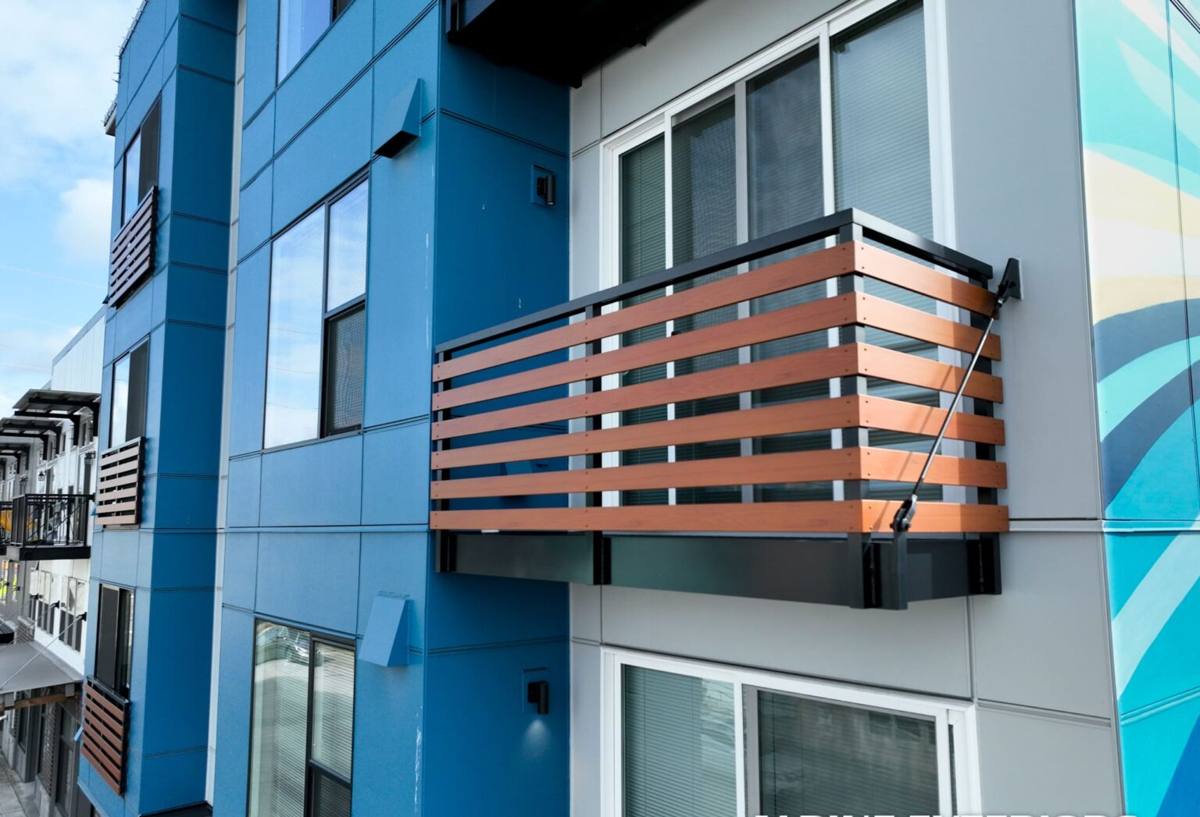
What Whatcom County's Climate Does to Windows Over Time
Constant Moisture and Driving Rain
Bellingham doesn't get the heaviest annual rainfall in the state, but it gets a lot of low-intensity, wind-driven rain that comes in sideways off the water. That kind of weather doesn't just wet a surface — it pushes moisture into gaps, under poorly lapped flashing, and behind trim that wasn't sealed correctly the first time. Over years, that's how you end up with soft framing around a window opening that looked fine from the outside.
Salt Air and Hardware
Homes closer to the water pick up salt-laden air that accelerates corrosion on window hardware — hinges, locks, balances, and screen frames. Cheaper hardware finishes fail faster here than they would inland. It's a small detail, but it's the kind of thing that determines whether a window still opens smoothly in eight years or starts binding and rusting in three.
Moss and Mildew Season
Whatcom County's mild, wet winters mean moss and mildew have months to establish themselves on any shaded or slow-drying surface, including window sills, frames, and the caulk lines around them. Once mildew gets into a porous sill or a failing sealant joint, it's a maintenance problem that keeps coming back until the underlying moisture path is fixed.
Temperature Swings and Condensation
Coastal Whatcom County doesn't see extreme heat or cold, but the daily swing between a cold, damp morning and a warmer afternoon is enough to cause condensation on single-pane or poorly sealed older windows. That condensation is what feeds mildew growth on sills and, eventually, rot in the surrounding wood.
Signs Birchwood Homeowners Should Watch For
- Visible condensation or fogging between the panes of a double-pane window (a sign the seal has failed)
- Drafts you can feel near the window frame even when it's fully closed and locked
- Soft, discolored, or spongy wood trim around the window opening
- Windows that are difficult to open, close, or lock — often a sign of hardware corrosion or a warped frame
- Persistent black or green growth on the sill or lower frame that returns after cleaning
- A noticeable difference in indoor temperature near the window compared to the rest of the room
- Rising heating costs without a clear cause elsewhere in the home
Any one of these on its own might just need a repair. Several together, especially combined with visible wood damage, usually means it's time to talk about replacement before the problem spreads into the surrounding wall.
What a Correct Installation Actually Involves
The window itself only does half the job. The other half is how it's tied into the wall, the weather barrier, and — since we're a siding contractor first — how it integrates with the siding around it. This is where a lot of installation problems start, even with a good window product.
Proper Flashing and Water Management
Every opening needs flashing installed in the correct shingle-lap sequence — sill pan first, then side flashing, then head flashing — so water is always directed outward and down, never trapped behind the window. This is the single most important step for keeping driving rain out of the wall cavity, and it's also the step that gets rushed or skipped on lower-quality installs.
Air Sealing and Insulation, Not Just Caulk
The gap between the window frame and the rough opening needs to be sealed and insulated correctly — not overpacked with expanding foam, which can bow the frame, and not just caulked around the trim and called done. A correctly sealed gap is what actually stops the drafts and controls condensation at the frame.
Tying Into the Siding
Because we work on siding as much as windows, we pay close attention to how the new window meets the surrounding cladding — trim details, house wrap laps, and drainage plane continuity. A window installed without regard for the siding around it can create a weak point in the wall's water management even if the window itself is a good one.
Choosing the Right Window for a Marine Climate
There isn't one "best" window for every home, but there are real differences that matter more here than they would in a drier, more temperature-stable climate.
| Frame Material | How It Handles This Climate | Trade-Offs |
|---|---|---|
| Vinyl | Good moisture resistance, low maintenance, solid insulating value | Can expand/contract with temperature swings if poorly manufactured; quality varies a lot by brand |
| Fiberglass | Very stable in wet, variable conditions; strong long-term durability | Higher upfront cost than vinyl |
| Wood-clad | Attractive interior wood look with an exterior weather shell | Exterior cladding must stay intact — any breach exposes wood to our moisture levels |
| Aluminum | Strong and slim sightlines | Poor insulator and prone to condensation on the frame itself unless thermally broken |
Glass Packages Worth the Upgrade Here
Double-pane glass with a low-E coating and argon gas fill is the practical baseline for this region — it manages both heat loss and solar gain reasonably well through our mild but persistently damp seasons. Triple-pane glass adds another layer of insulation and can help with sound and comfort near busier streets, but it's a bigger investment and the return depends on the specific home. We'll walk through what makes sense for your situation rather than defaulting to the most expensive option.
U-Factor Matters More Than Marketing Numbers
For our climate zone, U-factor (how well the window resists heat transfer) is generally a more useful number to focus on than solar heat gain figures aimed at hot, sunny climates. Look for NFRC-labeled performance numbers rather than generic manufacturer claims, and ask any contractor to explain what the numbers mean for your specific home rather than just quoting a rating.
Our Process for a Birchwood Window Project
- On-site assessment of existing windows, framing condition, and how they tie into the current siding and trim
- Honest conversation about repair versus replacement based on what we actually find, not a sales script
- Product and glass package recommendations suited to your home's exposure — a north-facing wall shaded most of the day has different needs than a wall that takes the brunt of the weather
- Careful removal of old units with attention to what's underneath — this is often where hidden moisture damage shows up
- Correct flashing, sealing, and insulation of each opening before the new window ever goes in
- Siding and trim integration so the finished opening sheds water the way it's supposed to
- Final walkthrough so you understand how the new windows operate and what basic upkeep they need
Why a Crew That Already Works Birchwood Makes a Difference
A contractor who works Whatcom County regularly already knows what this climate does to a window installation over time — not in theory, but from having gone back and looked at jobs a few years later. That experience shows up in the small decisions: how much clearance to leave for expansion, which sealants actually hold up under constant damp cycling, and how to detail the flashing so it still works after the fifth or sixth wet winter.
It also matters that we handle siding and windows together. A lot of window-only companies won't touch the surrounding siding even when it's clearly part of the water management picture, which leaves homeowners hiring a second contractor to fix the tie-in. We look at the whole wall assembly, not just the hole in it.
Maintenance That Actually Extends the Life of Your Windows
- Rinse frames and sills periodically to remove salt residue and organic buildup before it stains or feeds mildew growth
- Check exterior caulk lines once a year, especially after a hard winter, and have any cracked or missing sealant redone promptly
- Keep weep holes on the exterior sill clear so water can drain instead of pooling
- Operate locks and hardware a few times a year even on windows you don't open often, to keep hardware from seizing
- Address any soft trim or discoloration right away rather than waiting — moisture problems around windows rarely stay small
Get a Straight Answer for Your Home
Every Birchwood home carries its own mix of sun exposure, wind direction, and age of construction, and that changes what actually makes sense for your windows. We'd rather walk your home and give you an honest read on what's needed than guess from a general checklist. If you'd like a free, no-pressure estimate, the form below will get us started.