 Bellingham Siding
 Board & Batten Siding in Puget: Built for the Weather This Neighborhood Actually Gets
Puget sits close enough to Bellingham Bay and the Sound to catch salt-laden air off the water, and far enough into the Pacific Northwest storm track to get pounded by driving, wind-blown rain most of the fall and winter. Add Whatcom County's long, damp shoulder seasons and the moss and algae growth that comes with them, and you've got a climate that is genuinely hard on exterior siding. Board & batten is one of the most requested looks for homes in this area — the vertical lines read as modern farmhouse or classic Pacific Northwest depending on the trim and color, and it holds up visually on the larger wall planes common in Puget's mix of newer builds and remodeled older homes. But the look only holds up if the system underneath it is built for this specific climate, not a generic install.
This page is about that one job — board & batten siding, done right, on a Puget home — not a general overview of the product.
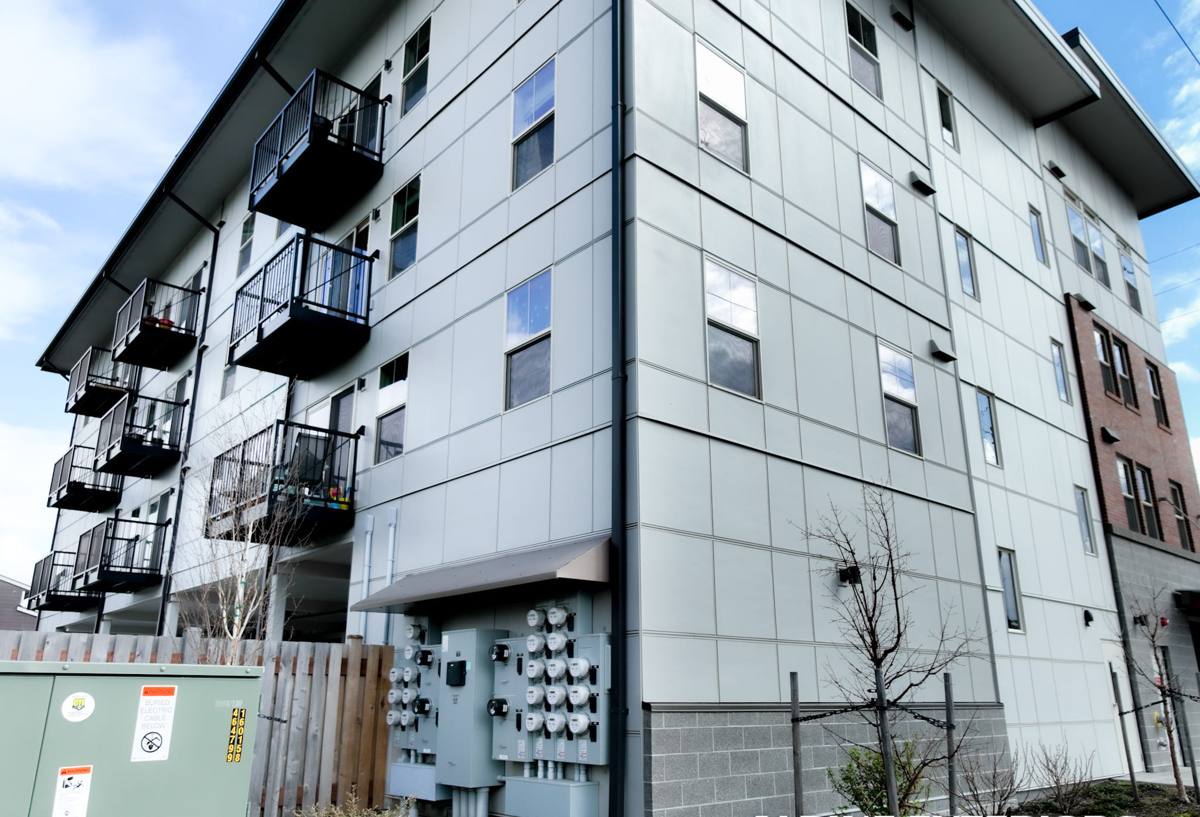
What Salt Air, Driving Rain, and Moss Season Do to Board & Batten Siding
Salt Air
Proximity to the Bay means airborne salt settles on exterior surfaces and accelerates corrosion of exposed metal — fasteners, flashing, and trim connectors. On a vertical board & batten wall, every seam between board and batten is a potential entry point if the fastening and flashing details aren't right, and corroded fasteners near the coast fail faster than the same hardware would inland.
Driving Rain
Wind off the Sound doesn't let rain fall straight down — it drives it sideways into wall assemblies, which puts real pressure on every horizontal batten reveal and every butt joint in a board & batten pattern. A siding system installed for a dry climate, without a drainage plane behind it, traps that moisture against the sheathing instead of shedding it.
Moss Season
Whatcom County's wet season runs long, and shaded or north-facing walls in Puget's tree-lined lots stay damp for weeks at a stretch. That's exactly the environment moss and algae need. On board & batten, the vertical battens create narrow shadow lines and ledges where organic growth gets a foothold if the siding material and finish can't resist it.
None of this means board & batten is a bad choice for Puget — it means the material and the installation details have to be chosen for this environment specifically, not borrowed from a drier region's spec sheet.
What a Correct Board & Batten Job Involves Here
Board & batten isn't a single product — it's a pattern, built either from wide flat panels with battens over the seams, or individual vertical boards with narrower battens covering each joint. The pattern is only as good as what's behind and under it. For a Puget home, we build the assembly with these non-negotiables:
- A drainage plane (rainscreen or weather-resistive barrier with drainage capacity) so any water that gets past the siding has a path to drain and dry instead of sitting against the sheathing
- Corrosion-resistant fasteners rated for coastal exposure, driven to manufacturer spec depth — not overdriven, which cracks fiber cement and opens a path for water
- Proper batten spacing and fastening pattern so the panels can expand and contract with temperature and moisture swings without stressing the joints
- Flashing at every horizontal transition — window and door heads, roof-to-wall intersections, and the base of the wall — sized and lapped to shed wind-driven rain, not just vertical rainfall
- Factory-finished material so the entire face and cut edges (once sealed in the field) resist moisture and organic growth from day one, rather than relying on a field-applied coating to do that work
Skip any one of these and the siding may look right for a year or two before the climate finds the weak point.
Why We Install James Hardie Fiber Cement — and Only James Hardie
We don't install LP SmartSide, vinyl, Cemplank, Allura, primed spruce, or cedar board & batten. That's a deliberate standard, not a lack of options. Each of those products has real strengths, but for the specific combination of salt air, driving rain, and moss exposure that Puget homes deal with, they carry trade-offs we're not willing to put our name behind:
| Material | What it gets right | Trade-off in this climate |
|---|---|---|
| Cedar | Authentic wood grain, warm appearance | Needs recurring refinishing; absorbs moisture and is a food source for moss and rot organisms in a long wet season |
| Primed spruce | Lower upfront material cost | Primer is a base coat, not a finish — field paint has to be maintained on a strict schedule or moisture gets behind it |
| Vinyl | Low maintenance, budget-friendly | Can warp or become brittle with UV and temperature cycling; seams and battens are harder to detail tightly against wind-driven rain |
| LP SmartSide | Engineered wood, easier to work with than solid lumber | Wood-based substrate is still moisture-sensitive at cut edges and seams — a bigger liability in a climate this wet |
| Cemplank / Allura | Fiber cement alternatives, competitive pricing | Different manufacturing process and finish system than Hardie's ColorPlus; we standardized on one system so we can guarantee our installation to one spec |
| James Hardie | Non-combustible, engineered for Pacific Northwest moisture, factory ColorPlus finish, strong transferable warranty | Higher upfront cost than vinyl or primed spruce |
James Hardie's HZ5 product line is engineered specifically for climates like Bellingham's — freeze-thaw cycling, sustained moisture, and the wet-dry swings that come with a long Puget Sound winter. The ColorPlus factory finish is baked on under controlled conditions, which gives it more consistent resistance to fading and moisture intrusion than a field-applied coat, and it holds up better against the moss and algae growth this area sees on shaded walls. It's not the cheapest board & batten material on the market — it's the one we're confident standing behind on a Puget home for the next several decades.
Our Process for a Puget Board & Batten Project
1. On-Site Assessment
We walk the home and note sun exposure, wind exposure relative to the water, existing moisture or moss patterns on the current siding, and the condition of the sheathing and trim underneath. This tells us where extra flashing attention or drainage detailing matters most.
2. Tear-Off and Sheathing Check
Old siding comes off and we inspect the sheathing for rot or hidden moisture damage before anything new goes up — a common finding on older Puget-area homes where a previous siding job trapped moisture for years without anyone noticing.
3. Weather-Resistive Barrier and Drainage Plane
We install a code-compliant weather-resistive barrier with a drainage gap behind the siding, which is the single biggest factor in whether a board & batten wall stays dry over time in a climate that gets this much wind-driven rain.
4. Flashing and Trim
All windows, doors, and roof-to-wall transitions get flashed before the siding pattern starts, using materials chosen to resist the corrosion that salt air accelerates.
5. Board & Batten Installation
Hardie panels and battens go up to manufacturer fastening spec — correct nail or screw type, spacing, and depth — with attention to consistent reveals and tight, properly caulked joints where the product calls for sealant.
6. Final Inspection and Touch-Up
We check every seam, fastener line, and flashing detail before calling the job done, and touch up any cut edges with manufacturer-approved sealant to maintain the factory finish's protection.
Why a Crew That Already Works Puget Matters
A siding crew that's worked other Bellingham and Whatcom County neighborhoods knows which walls on a given lot orientation stay wet longest, which local permit requirements apply, and how the county's building department wants moisture barrier and flashing details documented. That's not something you get from a crew that installs mostly in a drier region and treats every coastal job as a one-off. It also means we're not guessing at how HZ5 Hardie product performs here — we're basing the spec on what we've seen hold up, and what hasn't, on homes in this same weather pattern.
What Homeowners Should Check Before Hiring for This Job
- Ask specifically whether a drainage plane or rainscreen gap is included — not just "weather barrier"
- Confirm the fastener type and whether it's rated for coastal/corrosive exposure
- Ask how flashing will be handled at every window, door, and roofline transition
- Get the manufacturer product line and finish system in writing — "fiber cement" alone isn't a spec
- Ask what the warranty covers and whether it's transferable if you sell the home
- Ask how cut edges will be sealed, since an unsealed cut edge is a common weak point on any fiber cement job
Maintenance and What to Expect Long-Term
Correctly installed Hardie board & batten with a factory ColorPlus finish needs far less attention than wood or field-painted siding, but it's not zero-maintenance. In Puget's climate, that means an annual rinse to keep salt residue and organic growth from building up, prompt attention to any caulk lines that crack or shrink, and keeping gutters and downspouts clear so water isn't running down the wall face longer than it should. None of that is heavy lifting — it's the same basic care any exterior surface needs in a wet coastal climate, just less of it than cedar or primed wood would demand.
Get a Straight Answer for Your Home
Every Puget lot faces the water and the wind a little differently, and the right flashing and drainage details depend on your specific home, not a generic spec sheet. If you're weighing board & batten siding for a home in this neighborhood, we'll walk the property, tell you honestly what it needs, and put together a free, no-pressure estimate using the form below.