 Bellingham Siding
 Why Cordata Homes Put Extra Demands on Their Windows
Cordata sits far enough inland from Bellingham Bay that people sometimes assume salt air isn't a factor here. It still is — Whatcom County's marine weather pushes moist, salt-tinged air well past the shoreline, and it settles into window hardware, screen frames, and exterior trim just the same. Combine that with our long stretch of driving rain from fall through spring, and a north Puget Sound moss season that can run eight months out of the year, and you've got a climate that's genuinely hard on window assemblies — especially the seals, flashing, and low-grade hardware that builders sometimes use to hit a price point.
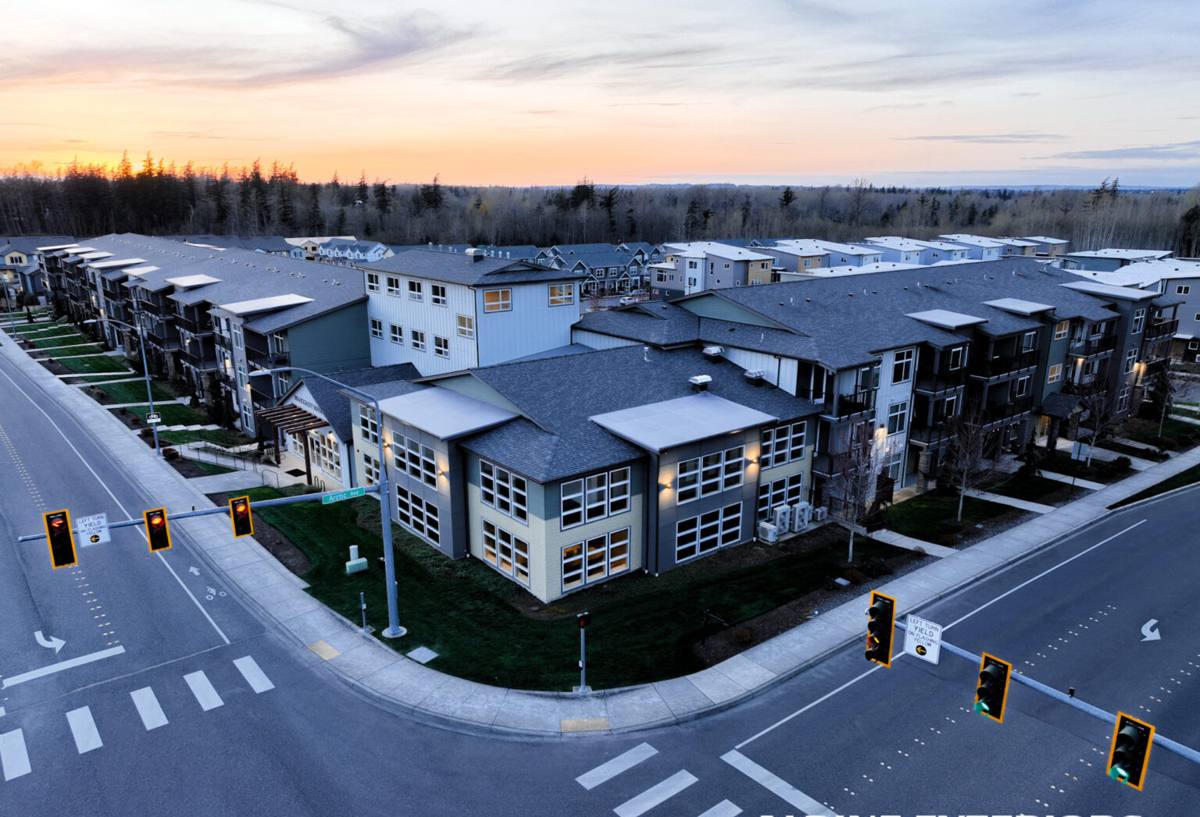
Cordata's housing stock is a mix of older single-family homes from the pre-growth years and newer construction and townhomes built as the neighborhood filled in near the mall and I-5 corridor. That mix matters for window work: older homes often still have original aluminum or early vinyl windows nearing or past their service life, while newer builds can have window openings that were never flashed correctly to begin with. Either way, the fix isn't just "put in a new window" — it's making sure the opening itself sheds water the way it's supposed to.
Signs a Cordata Home's Windows Are Past Their Prime
Most homeowners don't think about their windows until something forces the issue. A few things worth checking on your own before that happens:
- Condensation or fogging between the panes of a double-pane window — this means the seal has failed and the insulating gas is gone
- Soft or discolored wood trim around the window, especially at the bottom corners where water collects
- Visible moss or algae growth on the sill, sash, or nearby siding — a sign moisture is sitting longer than it should
- Drafts you can feel with your hand near the frame on a windy day
- Windows that are hard to open, close, or lock, or that no longer sit flush in the frame
- A noticeable jump in heating costs without another clear cause
Any one of these on its own isn't necessarily an emergency. Several of them together, especially paired with visible moss or soft trim, usually means water has been getting past the window for a while — and that's worth addressing before it reaches the framing underneath.
What a Correct Window Replacement Actually Involves
Swapping an old window for a new one is the easy part. The part that actually determines whether the job holds up through a Whatcom County winter is everything around the window itself.
Removing the Old Window Without Guessing
Before pulling the old unit, we check the condition of the rough opening — the framing, sheathing, and any existing flashing or building paper. This is where hidden problems from years of driving rain show up: soft sheathing, missing or failed flashing tape, or water staining that tells us moisture has been finding a path in for longer than the homeowner realized.
Flashing and Water Management
This is the step that gets skipped or rushed on lower-quality jobs, and it's the one that matters most in our climate. Proper flashing directs any water that gets behind the siding or trim back out and away from the framing, using a shingle-style layering — sill pan first, then side flashing, then head flashing — so each layer overlaps the one below it. Done correctly, the window becomes part of a water-management system, not just a hole with glass in it.
Sealing and Insulating
Once the new window is set, level, and fastened, the gap between the window frame and the rough opening gets insulated and air-sealed — not just caulked around the outside trim. A window that's beautifully caulked on the outside but has an open, uninsulated gap behind the trim will still draft and can still let moisture in over time.
Exterior Trim and Finish
The last step is finishing the exterior — trim, caulking at the right joints (not every joint should be sealed; some need to breathe), and making sure paint or finish is applied to manufacturer spec so the warranty stays intact.
Choosing Materials That Actually Hold Up Here
Frame material matters more in a marine climate than it does somewhere dry. Here's how the common options compare for a Cordata home:
| Material | How It Handles Our Climate | Maintenance | Typical Fit |
|---|---|---|---|
| Vinyl | Good moisture resistance, won't rot or corrode; quality varies a lot by manufacturer | Low — occasional cleaning | Most homes; best value for full-house replacement |
| Fiberglass | Excellent stability in wet, temperature-swinging conditions; resists warping | Low | Homes wanting a longer-term, lower-movement frame |
| Wood (unclad) | Classic look but needs consistent upkeep to fight our rain and moss exposure | High — regular painting/sealing | Historic-style homes where appearance is a priority |
| Wood-clad (vinyl or aluminum exterior) | Wood interior warmth with a weather-resistant exterior shell | Moderate | Homeowners wanting wood interiors without full wood maintenance |
| Aluminum (older stock) | Conducts cold and moisture readily; common source of condensation problems in older Cordata homes | Moderate to high | Usually a replacement candidate, not a new install |
We don't push a single brand or material as "the answer" for every house. What we do insist on is a frame and glazing package with a real warranty structure and enough documented performance in Pacific Northwest conditions that we're comfortable standing behind it — and installation done by a crew that won't undercut that warranty with a rushed flashing job.
Glass Packages Worth Considering
For a Cordata home, we generally point people toward double-pane windows with low-E coating and argon gas fill as the practical baseline — it handles our heat-loss and glare concerns well without a big cost jump over basic dual-pane glass. Triple-pane is worth discussing if you're on a busier street near the retail corridor and want extra sound dampening, or if the home has an especially exposed, weather-facing side. It's a real upgrade in performance, but it's also a real upgrade in cost and window weight, so it's worth weighing room by room rather than assuming it's needed everywhere.
Our Process, Start to Finish
- On-site assessment — we look at every window being considered, check the condition of trim and framing, and flag any homes where we suspect hidden moisture damage before we quote anything
- Written estimate — clear line items for materials, labor, and any repair work the opening needs beyond the window itself
- Scheduling around weather — we plan install windows with an eye on the forecast; opening up a wall to driving rain is how flashing mistakes happen
- Removal and opening inspection — old window comes out, opening gets checked and repaired if needed before anything new goes in
- Flashing, install, and seal — done in the layered sequence described above, no shortcuts
- Interior and exterior finish — trim, caulk, and touch-up so the job looks finished inside and out
- Walkthrough — we go over operation, locks, and any care instructions specific to the product installed
What Drives the Cost of a Window Replacement
Every home is different, but the same handful of factors move the price up or down on most Cordata jobs:
| Factor | Why It Matters |
|---|---|
| Number of windows and openings | Whole-house jobs get better per-unit pricing than one-off replacements |
| Frame material and glass package | Vinyl vs. fiberglass vs. wood-clad, and double- vs. triple-pane, are the biggest line-item swings |
| Condition of the existing opening | Hidden water damage or failed flashing adds repair time before the new window can go in |
| Window size and type | Large picture windows, bays, or custom shapes cost more than standard double-hung sizes |
| Access and site conditions | Second-story or hard-to-reach windows take more labor time |
| Trim and finish scope | Matching existing trim profiles or repainting adjacent siding adds to the job |
We'd rather walk a homeowner through these factors on-site and give an honest range than quote a number sight unseen — too much of the real cost depends on what's actually behind the old window.
Why a Crew That Already Works Cordata Matters
A window replacement done by someone unfamiliar with local conditions can look perfect the day it's installed and still fail in two or three winters. The failures we get called to fix most often trace back to flashing that wasn't lapped correctly for driving rain, or caulk used as a substitute for proper water management instead of a supplement to it. A crew that regularly works Whatcom County homes has already seen how these openings behave through a full wet season and adjusts the install accordingly — not because of any special local secret, but because repetition in this specific climate builds judgment that's hard to get anywhere else.
There's also a practical side: familiarity with the permitting expectations and typical construction styles found in Cordata's mix of older and newer homes means fewer surprises once a wall is opened up, and a more accurate estimate from the start.
Before You Hire: A Quick Checklist
- Ask what flashing method and sequence will be used — a contractor who can explain it clearly has done it correctly before
- Confirm whether the quote includes repair of any damaged sheathing or framing found during removal, or if that's billed separately
- Get the manufacturer warranty terms in writing, and ask what installation practices are required to keep that warranty valid
- Ask how they schedule around weather — a contractor unconcerned about rain during an open-wall install is a red flag here
- Check that written estimates break out materials, labor, and any trim or finish work separately
If your Cordata home's windows are drafty, fogged, showing moss, or just original to a house built before double-pane glass was standard, we're glad to come take a look. A free, no-pressure estimate gives you a clear picture of what your home actually needs — use the form below to get started.